PVC doors pose environmental concerns, lack durability against UV, have limited design versatility, and can emit toxic fumes when burnt.
Composition and Characteristics of PVC
Polyvinyl chloride, commonly known as PVC, is one of the most widely used plastics worldwide. Derived from salt and hydrocarbon feedstocks, PVC’s composition primarily includes chlorine, carbon, and hydrogen.
Understanding PVC material
PVC is a thermoplastic material, meaning it softens upon heating and hardens upon cooling. This unique property enables it to be molded into various forms, making it suitable for a wide range of applications. PVC exists in two main forms: rigid and flexible.
Rigid PVC: This type is often used in construction for pipe and in profile applications such as doors and windows. It is also used for bottles, other non-food packaging, and cards (like bank or membership cards).
Flexible PVC: Integrated with plasticizers, flexible PVC finds its application in plumbing, electrical cable insulation, imitation leather, inflatable products, and many applications replacing rubber. According to Wikipedia, the pure PVC is white, brittle, and difficult to process, but it becomes flexible when added with plasticizers.
Manufacturing process of PVC doors
The manufacturing process for PVC doors involves several key stages:
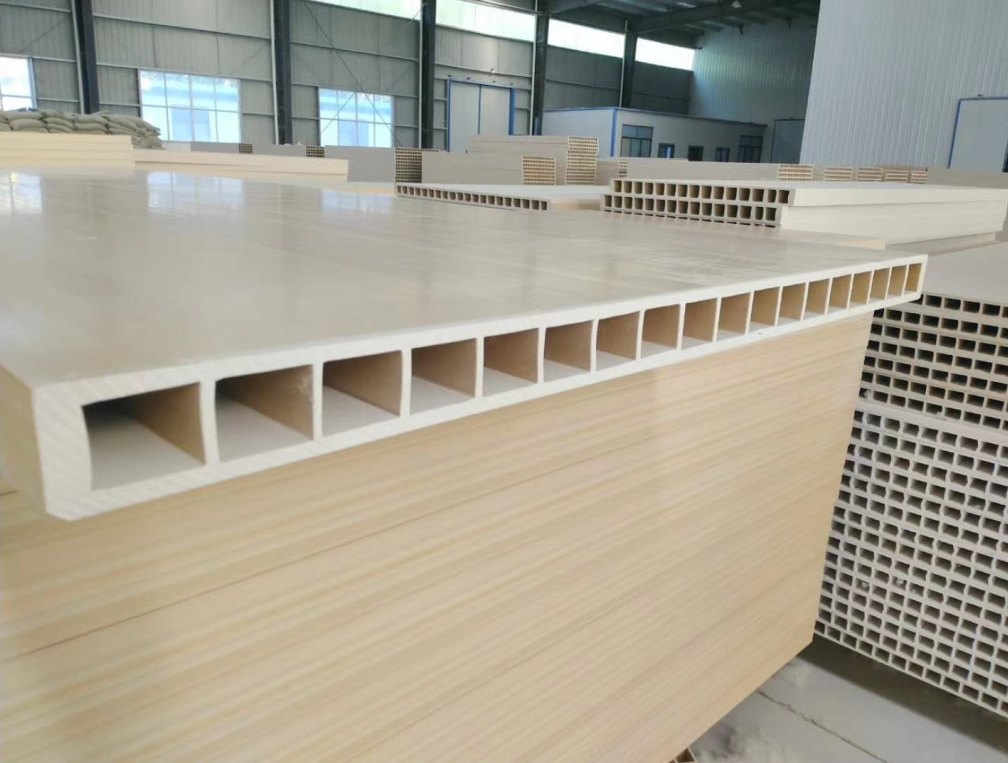
Extrusion: In this initial stage, raw PVC material, along with stabilizers and other additives, is fed into an extruder. The material is then melted and formed into a continuous profile shape, which resembles the cross-section of a door.
Cutting and Joining: Once extruded, the PVC profile is cut to the required lengths. These lengths are then joined together using specialized techniques, ensuring airtight and watertight joints.
Assembly: The next step involves the assembly of door panels, frames, and any additional components like glass inserts or reinforcements.
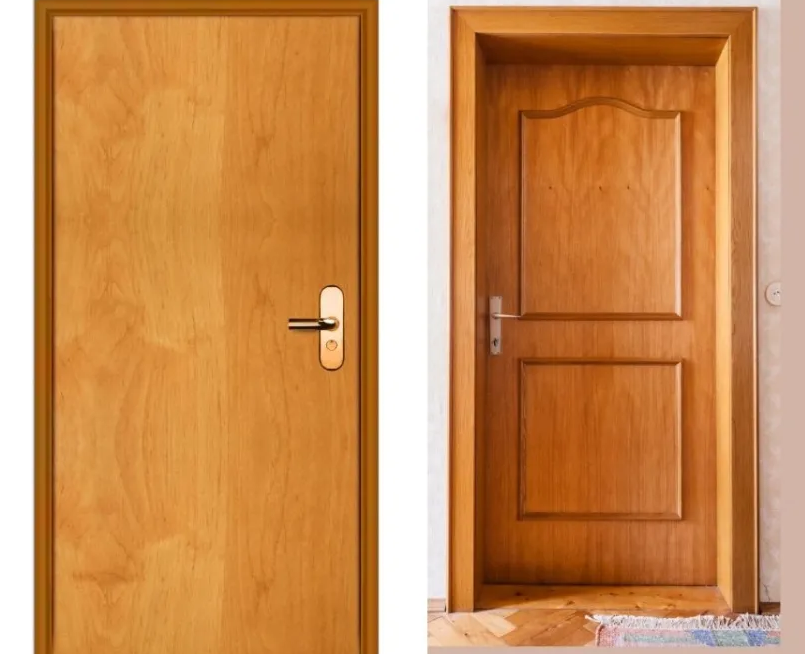
Finishing: This stage involves adding finishes to the door surface, such as laminates, wood grain effects, or solid colors. It ensures that the PVC door not only functions effectively but also looks aesthetically pleasing.
For more detailed insights into the properties and applications of PVC, one can refer to its Wikipedia page.
Disadvantages of PVC Doors
Environmental Concerns
PVC doors bring forth several environmental concerns:
Production and emission issues: The production of PVC releases dioxins and other harmful chemicals. Dioxins, especially, are pollutants known to be harmful to both the environment and human health. PVC production also heavily relies on the petrochemical industry, contributing to fossil fuel dependency and increasing greenhouse gas emissions. The environmental impact becomes more prominent when considering the entire lifecycle of PVC, from production to disposal.
Non-biodegradable nature: Unlike organic materials like wood, PVC doesn’t decompose naturally. When disposed of in landfills, PVC doors can remain intact for centuries. Their non-biodegradable nature poses long-term environmental challenges, as they occupy significant landfill space. The increasing accumulation of PVC waste raises concerns about sustainable waste management and its impact on ecosystems.
Durability and Longevity Issues
Though often marketed for their long lifespan, PVC doors have specific durability concerns:
Susceptibility to UV damage: Continuous exposure to direct sunlight can cause PVC doors to become brittle over time. The ultraviolet (UV) rays break down the molecular structure of PVC, affecting its durability and appearance.
Potential warping in high temperatures: While PVC has a decent melting point, doors made from this material can warp or deform when exposed to extreme temperatures. This deformation can compromise the door’s structural integrity and its sealing capabilities.
Aesthetic Limitations
From a design perspective, PVC doors have some limitations:
Limited design versatility: While PVC doors come in various designs and colors, they lack the natural and timeless appeal of wooden doors. Customization options can be limited, especially when compared to materials like wood or metal, which allow for intricate carvings and designs.
Potential for discoloration over time: Over the years, PVC doors can discolor, particularly if they are exposed to direct sunlight. This discoloration can affect the overall aesthetic appeal of the door, making it look old and worn out. This drawback contrasts with materials like wood, which can develop a patina over time, enhancing its beauty.
Insulation and Thermal Performance
There are concerns regarding the thermal performance of PVC doors:
Energy efficiency concerns: While PVC doors offer decent insulation, they may not be as energy-efficient as doors made from other materials like fiberglass or certain types of wood. This lack of efficiency can lead to higher heating and cooling costs for homeowners.
Potential condensation issues: In cold climates, PVC doors can sometimes suffer from condensation on the inside. This moisture can lead to mold growth, which can affect indoor air quality and pose health risks.
Health and Safety Concerns
PVC doors also come with health and safety risks:
Emission of toxic fumes when burnt: If exposed to fire, PVC doors can release toxic fumes, including hydrochloric acid. These fumes can pose serious health risks if inhaled and can be detrimental to the environment.
Concerns about phthalate plasticizers: Some PVC products contain phthalate plasticizers to increase flexibility. These compounds have raised health concerns, as certain phthalates are known to be endocrine disruptors. Although regulations have tightened around the use of these plasticizers, some older PVC doors might still contain them. You can learn more about the health effects of phthalates on Wikipedia.
Comparative Analysis: PVC Doors vs. Other Door Materials
Wood
Wooden doors have been a preferred choice for homeowners for centuries due to their natural beauty and aesthetic appeal.
Advantages over PVC:
Natural Aesthetics: Wood offers a warm, timeless look that PVC can’t match. Each wooden door has unique grain patterns, ensuring that no two doors are exactly alike.
Customizability: Wood allows for more intricate carvings and designs, offering more customization options than PVC.
Insulation: Wood has natural insulating properties, potentially making wooden doors more energy-efficient than their PVC counterparts.
Drawbacks compared to PVC:
Maintenance: Wooden doors require regular maintenance, such as painting or staining, to prevent rot and decay.
Cost: Quality wooden doors generally cost more than PVC doors.
Susceptibility to Pests: Wood can be vulnerable to termites and other pests if not treated properly.
More about the properties and uses of wood can be found on Wikipedia.
Aluminum
Aluminum doors are known for their strength and durability, often used in commercial settings due to their robustness.
Advantages over PVC:
Strength: Aluminum is a strong material, which can result in slim door frames allowing for larger glass panes and more natural light.
Durability: Aluminum does not rust, and with proper finishes, can resist corrosion for years.
Recyclability: Aluminum is highly recyclable, making aluminum doors a more eco-friendly option than PVC.
Drawbacks compared to PVC:
Thermal Conductivity: Aluminum conducts heat, which can make it less energy-efficient compared to PVC unless it has a thermal break.
Cost: Aluminum doors are generally more expensive than PVC doors.
To understand more about aluminum and its applications, refer to its Wikipedia page.
Fiberglass
Fiberglass doors are a relatively modern entry in the door market, known for their durability and insulation properties.
Advantages over PVC:
Durability: Fiberglass doors resist warping, denting, and rotting better than PVC doors.
Insulation: These doors often have better insulation properties than PVC, contributing to energy efficiency.
Design Options: Modern fiberglass doors can mimic the look of wood, offering aesthetic appeal without the maintenance demands of actual wood.
Drawbacks compared to PVC:
Cost: Fiberglass doors tend to be pricier than PVC doors.
Repairability: While durable, if a fiberglass door does get damaged, it can be harder to repair than a PVC door.
What environmental impact do PVC doors have?
PVC door production releases harmful dioxins and other chemicals. Additionally, due to their non-biodegradable nature, they can remain unchanged in landfills for centuries, posing waste management challenges.
What happens to PVC doors under sunlight?
When continuously exposed to direct sunlight, PVC doors can become brittle and may discolor over time.
How do PVC doors compare in price to wooden doors?
PVC doors are generally cheaper than high-quality wooden doors, but the exact price depends on the chosen brand and specifications.
What risks are posed by PVC doors in case of a fire?
When PVC doors burn, they can release toxic fumes, including hydrochloric acid.
What is the average lifespan of a PVC door?
With normal usage and proper maintenance, PVC doors can last between 20 to 25 years.
What happens to PVC doors under high temperatures?
Under extreme high temperatures, PVC doors might warp or deform, compromising their structural integrity.
What limitations are there in design choices for PVC doors?
While PVC doors come in various designs and colors, they lack the natural and timeless appeal of wooden doors, and customization options might be limited.
How is the insulation of PVC doors?
While PVC doors provide decent insulation, they may not be as energy-efficient as doors made of fiberglass or certain types of wood, leading to higher heating and cooling costs.
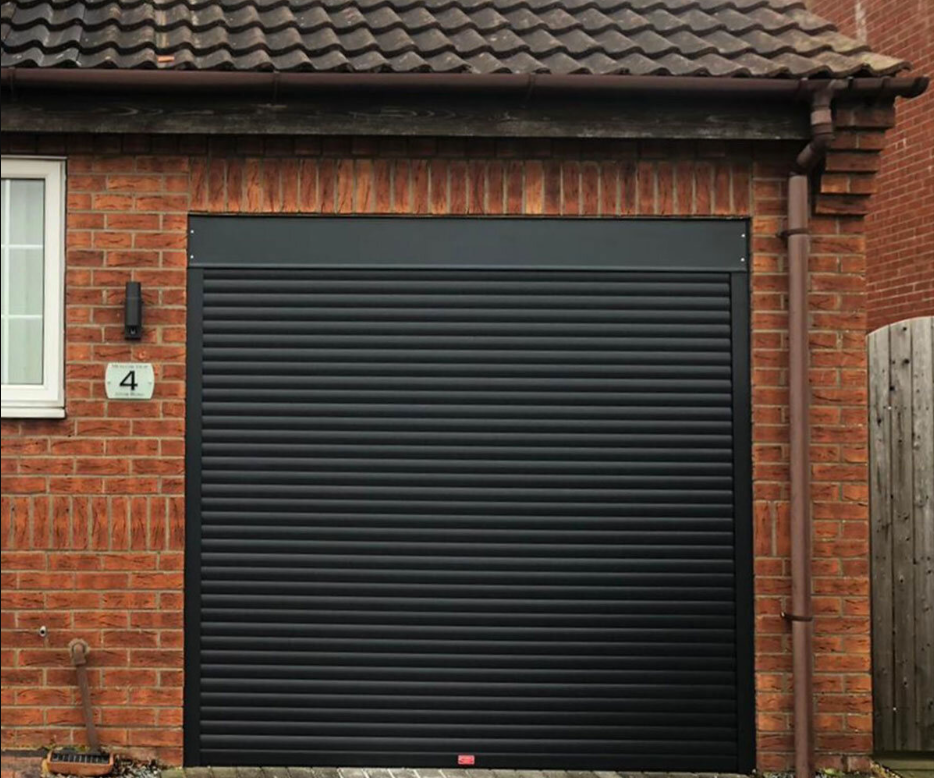
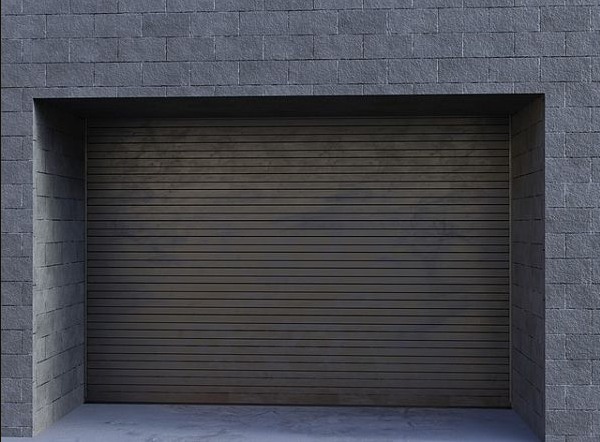
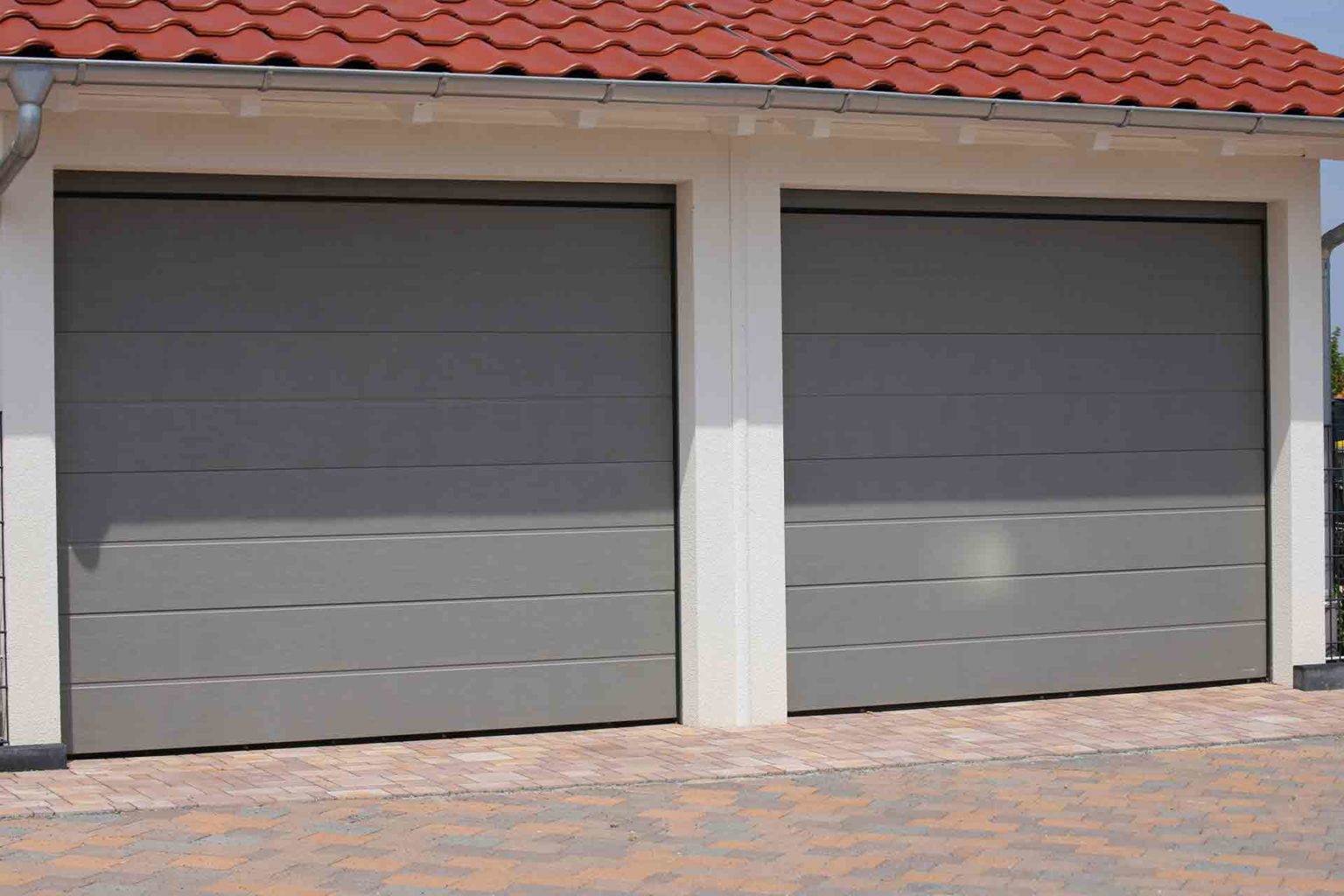
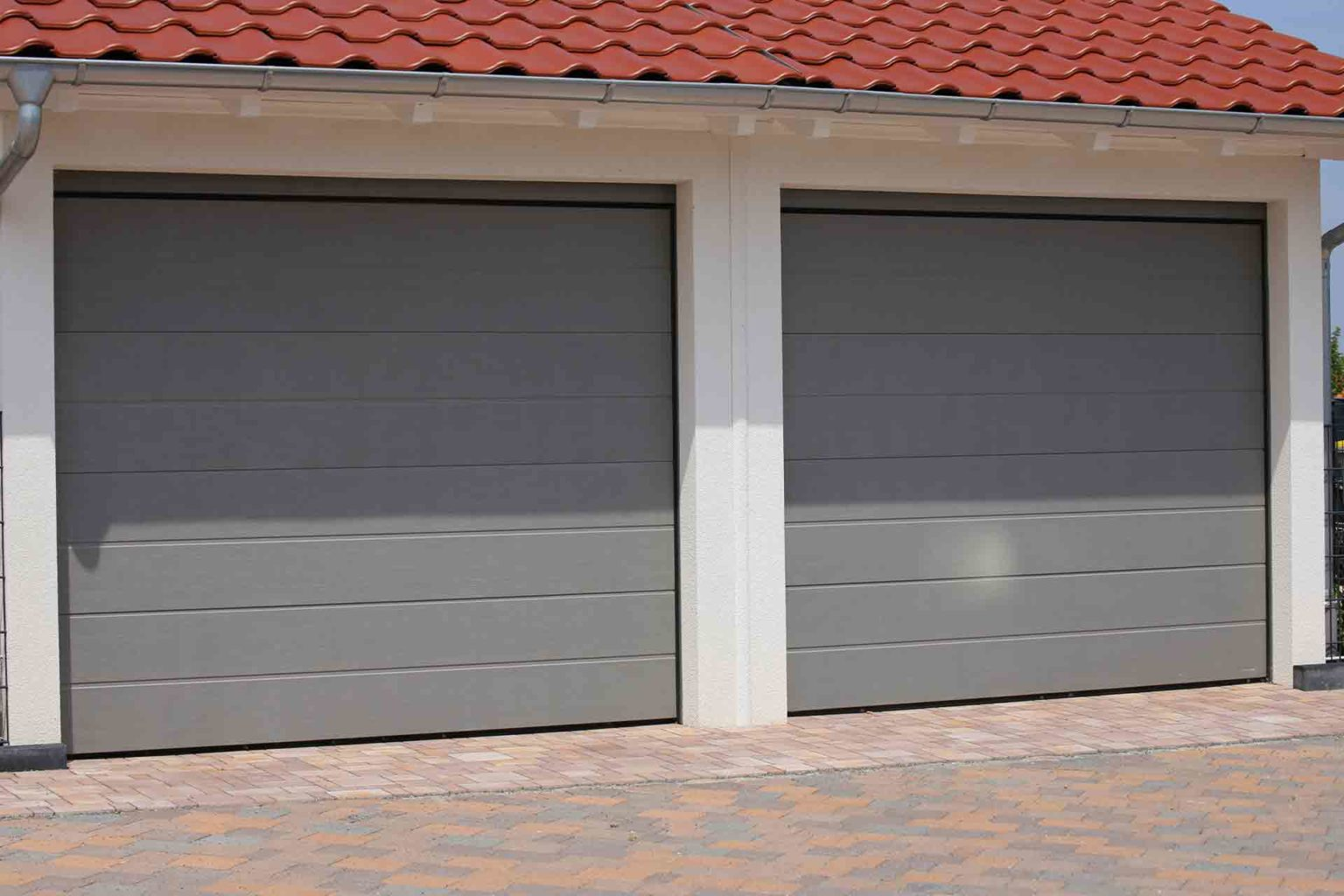
Roller doors, when maintained, offer robust security due to their design and integrated security features.
Components of Roller Doors
Roller doors, often seen in garages and commercial establishments, combine functionality with security. Understanding the components that constitute these doors can provide clarity about their sturdiness and security potential.
Materials Used in Construction
Roller doors are typically manufactured from a selection of robust materials to ensure durability and resist potential breaches.
Steel: One of the most common materials, steel offers strength and is resistant to both physical impact and environmental conditions.
Aluminium: Lighter than steel, aluminium is often chosen for its rust resistance and lightweight characteristics.
Polycarbonate: For those seeking a balance between visibility and strength, polycarbonate can be an ideal choice. It’s known for its transparent nature while still being impact-resistant.
Locking Mechanisms
The security of roller doors heavily relies on their locking mechanisms. Here are some prevalent types:
T-bar Lock: A standard locking mechanism, where a T-bar handle is rotated to lock or unlock the door.
Central Locking System: Often paired with remote controls, this allows for locking and unlocking at the touch of a button.
Padlock Chain: A more traditional approach, where a padlock is used in combination with a chain to secure the door.
Reinforcements and Additional Security Features
To enhance security, many roller doors come with additional features and reinforcements:
Reinforced Tracks: These tracks, typically made from durable materials, provide added strength against forced entries.
Security Sensors: Integrated sensors can detect any unauthorized movements or attempts to open the door, often sending alerts to the owner.
Anti-lift Devices: These prevent the door from being forcibly lifted from the bottom, a common intrusion technique.
Potential Vulnerabilities
While roller doors offer robust security features, they are not devoid of vulnerabilities. Being aware of these weak points can pave the way for enhanced protective measures.
Manual Override Risks
Every automated roller door has a manual override feature, usually designed for use during power outages. However, intruders can sometimes exploit this mechanism to gain unauthorized access.
Easily Accessible Release Cord: Most doors have a release cord hanging down, which, if reached, can put the door into manual mode.
Lack of Protective Cover: Some doors do not adequately shield their manual override systems, making them visible targets for burglars.
Information Leaks: Many people are unaware of the risks and may inadvertently explain the override function to strangers or post information about it online.
Gaps and Exposed Areas
Physical gaps or exposed parts of a roller door can become entry points for intruders or tools.
Bottom Seal Weakness: If the bottom seal doesn’t sit flush with the ground, tools or levers can be inserted to lift the door.
Side Gaps: A poor fit in the door frame can leave spaces on the sides, making it susceptible to prying.
Top Overhang Exposure: The top portion, especially if not flush with the roller mechanism, can be a leverage point for tools.
Electronic and Remote Control Weaknesses
The convenience of electronic access also brings potential risks, especially if not kept up-to-date with the latest security measures.
Outdated Remote Systems: Older remote control technologies can be easier to hack or duplicate.
Lack of Encryption: Modern systems encrypt signals between the remote and the door. Without this, a burglar could intercept and mimic the signal.
Publicly Accessible Pin Pads: Keypads that aren’t concealed or protected can be vulnerable to hacking or forced entry attempts.
Security Enhancements
The security of roller doors can always be bolstered with advancements in technology and innovative solutions. By actively seeking out and implementing these enhancements, homeowners and businesses can significantly reduce the vulnerabilities of their roller doors.
Upgrading Lock Systems
An effective lock system forms the first line of defense against potential intruders. Here’s how you can elevate the security of your locks:
Smart Locks: Transitioning to smart locks allows for keyless entry, remote locking/unlocking, and real-time activity monitoring.
Biometric Access: Incorporate fingerprint or retina scanning for personalized, foolproof access.
Multiple Locking Points: Instead of a single central lock, consider having multiple locking points along the door to make prying efforts futile.
Installing Security Sensors and Alarms
Sensors and alarms can be game-changers when it comes to bolstering roller door security. Here’s how:
Motion Sensors: Install sensors that trigger an alarm or alert when they detect unauthorized movement near the door.
Glass Break Sensors: For roller doors with glass components, these sensors can detect the sound frequency of breaking glass and trigger an alarm.
Tamper Alarms: If someone tries to meddle with the roller door, tamper alarms sound off, drawing attention to the scene and deterring the intruder.
Integration with Home Security Systems
Unifying roller door security with the overall home security ecosystem can offer comprehensive protection.
CCTV Cameras: Position CCTV cameras to monitor roller door areas, storing footage in real-time and allowing remote monitoring.
Central Monitoring System: Integrate door security features with a central monitoring system to receive instant notifications on your mobile or computer about any security breaches.
Automated Responses: Pair the roller door with home automation systems. For instance, any unauthorized access attempt could lead to automatic lights turning on or a siren sounding.
Comparative Analysis
In the vast realm of door types, understanding the distinctions and advantages of each can be enlightening. A comparative analysis between roller doors and traditional doors helps individuals and businesses make informed choices based on their specific needs and security concerns.
Roller Doors vs. Traditional Doors
Each door type comes with its unique set of features, benefits, and potential drawbacks.
Material Diversity: While traditional doors come primarily in wood or metal, roller doors often employ materials like steel, aluminium, and polycarbonate, ensuring durability and diverse functionality.
Space Efficiency: Roller doors roll upwards, making them space-efficient, especially in confined areas. Traditional doors require space to swing open, which can limit their application in tight spots.
Installation Complexity: Roller doors usually need specialized installation due to their mechanism and weight. Traditional doors, especially wooden ones, might offer simpler installation processes.
Maintenance: Traditional wooden doors can be susceptible to termites, rot, and warping. Roller doors, particularly those made of metal, tend to be more resilient against such issues but may require occasional servicing for their mechanisms.
Benefits of Roller Doors in Security Settings
Roller doors, given their unique construction and features, can provide an array of advantages in security contexts.
Robustness: The continuous sheet design of roller doors, especially those made of steel or aluminium, offers fewer weak points compared to panel-designed traditional doors.
Integration with Security Systems: Roller doors easily integrate with modern security systems, including sensors, alarms, and CCTV setups.
Sealing: Properly installed roller doors provide a tight seal, minimizing gaps and making forced entry more challenging.
Automation Features: Automated roller doors allow for remote monitoring, locking, and unlocking, ensuring enhanced control over security aspects.
Maintenance and Security
While the inherent design of roller doors offers a good level of security, maintaining them ensures that they function optimally and continuously provide the desired protection. Neglecting maintenance can inadvertently create security vulnerabilities, making regular upkeep crucial.
Regular Checks for Potential Vulnerabilities
A proactive approach to security involves routinely checking roller doors for weak points.
Examine Locks: Regularly test all lock mechanisms, be it manual, electronic, or biometric, to ensure they engage properly and securely.
Inspect Seals: Periodically check the bottom and side seals for gaps or wear that could provide access points for intruders or pests.
Sensor and Alarm Tests: Conduct monthly tests on any integrated security sensors or alarms to ensure they respond correctly to breaches or tampering.
Importance of Maintenance for Ongoing Security
Continuous maintenance isn’t just about the door’s functionality; it’s about ensuring its security features remain uncompromised.
Lubrication: Regularly lubricate moving parts to ensure they don’t jam, which could compromise the door’s locking mechanism.
Update Software: For doors with electronic features, keep the software updated to protect against hackers or software vulnerabilities.
Professional Inspection: Engage professionals to periodically inspect the door, especially if there are signs of malfunction. They can identify and address issues before they escalate.
Addressing Wear and Tear
Everyday use and exposure to the elements can lead to wear and tear on roller doors, which if unaddressed, can compromise security.
Replace Worn Parts: Components like springs, cables, and rollers can wear out over time. Replace them before they break to ensure the door functions securely and smoothly.
Treat Rust Promptly: Metal parts, especially in coastal areas, can rust. Addressing rust early prevents structural weaknesses and maintains the door’s integrity.
Repaint and Seal: Over time, the door’s protective coating can chip or fade. Repainting and resealing can rejuvenate its appearance and provide an added layer of protection against potential breaches.
How do roller doors compare to traditional doors in terms of security?
Roller doors typically offer enhanced security due to their continuous sheet design and integration capabilities with modern security systems, while traditional doors might have more weak points.
What materials are commonly used in roller doors?
Roller doors often use durable materials like steel, aluminium, and polycarbonate, ensuring longevity and resistance to various threats.
Are there vulnerabilities associated with the manual override feature of roller doors?
Yes, manual overrides can be exploited if the release cord is easily accessible or the system lacks a protective cover.
How can roller doors integrate with home security systems?
Roller doors can integrate with CCTV cameras, central monitoring systems, and can be paired with home automation systems for automated security responses.
How often should I conduct regular checks on my roller door to ensure security?
It's advisable to inspect roller doors monthly, focusing on locks, seals, and any integrated security sensors or alarms.
How does wear and tear affect the security of roller doors?
Wear and tear can compromise security by creating weak points. For instance, rusted metal parts or worn springs can impact the door's structural integrity and its locking mechanism.
What is the average lifespan of a roller door with proper maintenance?
With regular maintenance, a roller door can last between 15 to 20 years, depending on the quality of its materials and frequency of use.
What's the average cost of installing a high-quality roller door with enhanced security features?
The cost can range from $1,000 to $4,000, depending on the size, material, and additional security enhancements chosen.
Roll up doors require regular maintenance, can be costly, and need specific space considerations.
Mechanical Issues
Roll up doors, though efficient and space-saving, can face a range of mechanical issues. Understanding these can help in timely maintenance and prolonging the life of the door.
Wear and Tear Over Time
Roll up doors involve a number of moving parts, all of which are subjected to regular wear every time the door is operated.
Tracks and Rollers: These are constantly in motion, sliding against each other. Over time, without proper lubrication, they can corrode or become misaligned, leading to the door not operating smoothly.
Door Material: Depending on the material of the door, constant exposure to elements like rain, sun, or snow can cause it to degrade. For example, wooden doors might warp, and metal ones can rust or dent.
Seals: The rubber or vinyl seals at the bottom of the door can deteriorate, leading to gaps which can allow pests, water, or unwanted air drafts.
Locks and Handles: Constant use can wear down the mechanisms, making them less responsive or even broken.
Maintenance is crucial. Regularly cleaning the tracks, reapplying lubrication, and inspecting for signs of damage can help in reducing wear and tear.
The efficiency of roll up doors relies on a complex system of parts working in harmony.
Springs: These bear the weight of the door. If they snap or lose tension, the door becomes difficult, if not impossible, to lift.
Cables: They play a vital role in lifting the door. A frayed or broken cable can make the door inoperative and can be a safety hazard.
Sensors: Modern roll up doors often have sensors to detect obstructions. Malfunctioning sensors can cause the door to stop working or even lead to accidents.
Automatic Openers: Any issue with the opener’s motor or its electrical components can render the door stuck.
It’s imperative to have regular inspections to check the integrity of all these components. Always refer to professionals for repair or replacement of these parts, as DIY fixes can be risky.
Roll up doors, while being a popular choice for many establishments, do come with a set of safety concerns that individuals need to be aware of. Ensuring these doors are well-maintained and properly used can mitigate most of these risks.
Potential for Accidents if Not Properly Maintained
A lack of regular maintenance can result in a series of safety issues:
Misaligned Tracks: Doors can come off their tracks, especially if they’re not aligned properly. This can result in the door crashing down unexpectedly.
Unresponsive Sensors: Modern roll up doors are equipped with sensors to prevent them from closing if an obstacle is detected. If these sensors malfunction, they might close even when there’s an obstruction, leading to potential injury.
Worn Out Seals: A deteriorated seal can cause the door to close more forcefully than intended, posing a risk for anyone underneath.
Sluggish Movement: Doors that don’t receive regular maintenance can operate unpredictably. They might stop halfway or move much slower, confusing the user and creating a risk.
It’s crucial to schedule regular checks and promptly address any issues noted. A well-maintained door not only lasts longer but also operates safely.
Hazards Associated with Malfunctioning Springs or Cables
Springs and cables are among the most vital components of roll up doors, and they’re under constant tension:
Springs Under Tension: If a spring breaks, it can fly off with significant force, leading to potential injury or damage to nearby objects.
Fraying Cables: Cables in poor condition can snap without warning. A snapped cable can whip around, posing a danger to anyone or anything nearby.
Door Freefall: Should the springs or cables fail, the door might crash down at high speed. This is especially dangerous if someone is beneath or near the door at that time.
Manual Operation Risks: In cases where automatic openers fail due to spring or cable issues, manually operating the door can be risky. The door might be heavier than expected, or it might suddenly drop if a component gives way.
It’s of paramount importance to replace any worn-out springs or cables immediately. Always rely on professionals for such replacements, given the inherent risks involved.
Roll up doors, like any entrance point, can be vulnerable to security breaches if not appropriately fortified. Awareness of these vulnerabilities can help in ensuring that necessary precautions are in place.
Easier Break-in Potential if Not Reinforced
Roll up doors, particularly those made of lightweight materials, can be susceptible to forced entry:
Material Vulnerability: Doors made of thin metal or vinyl can be more easily bent or cut through than those made of thicker, reinforced materials. Ensuring doors are made of strong, durable materials can deter would-be intruders.
Locking Mechanism Weakness: Some roll up doors come with basic locks that can be easily picked or bypassed. Upgrading to high-security locks or adding additional locks can provide an extra layer of protection.
Automatic Opener Hacking: Modern automatic openers operate using signals. Thieves can sometimes intercept or duplicate these signals to gain unauthorized access. Using openers with rolling code technology, which changes the code after every use, can prevent this kind of hacking.
Considering reinforced door materials and enhanced locking mechanisms can greatly improve security.
Even a small gap between the door and the ground can present security challenges:
Entry Point for Tools: Intruders might use this gap to insert tools that can help in lifting the door or manipulating the lock from the inside.
Visibility: A gap can also allow potential burglars to peek inside, assessing the valuables within and determining if breaking in is worth the risk.
Pest Entry: Beyond human threats, a gap can also be an inviting entry point for pests like rodents or insects.
Environmental Vulnerability: Water can seep in during heavy rain, potentially damaging items stored inside. Additionally, a gap can allow cold or hot air to flow in, impacting energy efficiency.
Regularly inspecting the door’s fit and ensuring there’s a tight seal between the door and the ground can help in addressing these vulnerabilities. Weatherstripping or adding a rubber threshold can often help in sealing off any gaps.
Roll up doors, while offering convenience and space-saving capabilities, can sometimes compromise insulation and energy efficiency. Ensuring proper insulation and addressing issues can lead to cost savings and increased comfort.
Potential for Heat Loss Due to Lack of Insulation
Without proper insulation, roll up doors can be a significant point of heat loss:
Temperature Fluctuations: In colder months, an uninsulated door can lead to cold drafts entering the space, making it uncomfortable and increasing heating costs. Similarly, during hot months, heat can penetrate through, making cooling systems work harder.
Condensation: In places with significant temperature differences between the inside and outside, lack of insulation can cause condensation on the inner side of the door. This moisture can lead to problems like mold or rust.
Sound Insulation: Beyond temperature, a lack of insulation can also mean noise from the outside easily penetrates the space, causing disturbances.
Opting for doors with built-in insulation layers or adding insulation panels can effectively combat these issues, providing both thermal and sound insulation.
Air leakage can lead to inefficiencies in temperature regulation and increase energy costs:
Gaps and Seals: Over time, seals on roll up doors can deteriorate, leading to gaps that allow outside air to infiltrate the space. This means heating or cooling systems have to work overtime to maintain desired temperatures.
Poor Fitting: If a roll up door doesn’t fit perfectly into its frame, it can create spaces for air to pass through, compromising energy efficiency.
Operational Issues: Sometimes, even the mechanism by which the door rolls up and down can create spaces, especially if it’s not operating smoothly or is misaligned.
Regular checks for gaps and the condition of seals, combined with prompt repairs or replacements, can go a long way in ensuring optimal energy efficiency.
While roll up doors are functional and practical, they may not always meet everyone’s aesthetic preferences. Their design can sometimes limit their adaptability to various architectural styles or personal tastes.
Limited Design Options
Roll up doors, primarily being functional in nature, often lack a wide array of design choices:
Material Constraints: Typically, roll up doors are made from metals like steel or aluminum. While these materials are durable and sturdy, they might not provide the aesthetic warmth that materials like wood offer.
Texture and Finish: The ribbed or corrugated pattern inherent to many roll up doors can be limiting for those who desire a smoother finish or a different pattern.
Color Choices: While many roll up doors can be painted or finished in various colors, the material itself can sometimes restrict the depth or richness of color achievable.
Decorative Elements: Unlike other door types, roll up doors often lack the option for added decorative elements like glass inserts, ornate handles, or intricate designs.
To overcome these limitations, manufacturers and designers might offer customization options, but these can come at a higher cost.
Potential Mismatch with Certain Architectural Styles
The inherent design of roll up doors might not always complement every architectural style:
Historic or Traditional Homes: For homes or buildings with a classic or historic design, a metallic roll up door might clash with the architecture, detracting from the overall aesthetic.
Modern Designs: While some contemporary designs might incorporate roll up doors seamlessly, others might find the industrial look of a standard roll up door off-putting.
Landscape Integration: In properties where landscaping plays a significant role in the aesthetic, a roll up door might stand out or disrupt the visual flow.
For those keen on maintaining architectural integrity, it’s essential to carefully consider how a roll up door might fit into the overall design before installation.
Roll up doors, while convenient and efficient, can sometimes contribute to noise disturbances, particularly if not designed with noise insulation in mind. Understanding the sources and solutions for these noise issues is essential for ensuring a peaceful environment.
The Sound Produced During Opening and Closing
The mechanism of roll up doors can generate significant noise, especially during operation:
Metal Contact: As the door rolls up or down, metal parts can clang or vibrate, producing a characteristic noise. Over time, as parts wear out, this noise might become more pronounced.
Motor Operation: Automatic roll up doors use motors to facilitate opening and closing. Depending on the model and age, these motors can be quite noisy, especially if they haven’t received regular maintenance.
Track Friction: Dirt, rust, or misalignment in the tracks can lead to increased friction, which not only produces noise but can also cause wear and tear on the door.
Regular maintenance, lubrication of moving parts, and ensuring tracks are clean and aligned can significantly reduce operational noise.
Apart from the noise produced by the door itself, roll up doors might not always prevent external noises from entering the space:
Thin Materials: Doors made from thinner metals or materials tend to offer less noise insulation. This means sounds from the street or nearby areas can easily penetrate the space.
Gaps and Seals: Any gaps or deteriorated seals not only compromise energy efficiency but also allow external noise to infiltrate more easily.
Vibration: Some roll up doors can act as amplifiers for external vibrations, converting them into noise within the enclosed space.
Opting for doors with built-in noise insulation or adding insulation panels can help counteract these issues. Additionally, ensuring a tight seal and fit for the door can minimize external noise intrusion.
Roll up doors, while efficient and practical, require consistent maintenance to ensure smooth operation and longevity. Understanding these aspects can help in prolonging the door’s life and getting the best value from the investment.
Frequency of Required Maintenance
Regular maintenance is crucial for roll up doors to function optimally:
Lubrication: The moving parts of roll up doors, such as rollers, tracks, and hinges, need periodic lubrication to reduce friction and prevent wear. Depending on usage, this might be necessary every few months.
Cleaning: Tracks and rollers can accumulate dirt and debris, which can hinder smooth operation and contribute to wear. Cleaning them periodically ensures the door operates without obstruction.
Inspection: Regularly inspecting for signs of rust, damage, or misalignment can help in preempting bigger issues. Tightening loose bolts and ensuring all parts are in good condition can prevent future malfunctions.
Weather Seals: Checking and replacing worn-out weather seals not only ensures energy efficiency but also prevents water and debris infiltration, which can harm the door’s mechanism.
Consistent maintenance can save on costly repairs in the long run and ensure the door operates smoothly.
Shorter Lifespan Compared to Some Other Door Types
While roll up doors are robust, certain factors might limit their lifespan:
Material Wear: Materials like aluminum, while lightweight and resistant to rust, might dent or deform more easily than thicker, sturdier materials, affecting the door’s longevity.
Mechanical Strain: The rolling mechanism can put strain on certain parts of the door, leading to faster wear in those areas. Components like springs, which are under tension, might have a limited number of cycles before they require replacement.
Environmental Factors: Doors exposed to harsh environmental conditions like salt air, high humidity, or extreme temperatures might deteriorate faster than those in milder conditions.
Choosing high-quality materials, opting for doors designed for specific environmental conditions, and regular maintenance can help in extending the lifespan of roll up doors.
While roll up doors offer functionality and practicality, they also come with associated costs. From the initial purchase to the long-term maintenance and repairs, understanding the financial implications can help in making informed decisions.
Higher Initial Costs for Quality Models
Quality often comes at a price, and roll up doors are no exception:
Material Costs: Durable materials like corrosion-resistant steel or specially treated aluminum tend to cost more. These materials offer better longevity and resist environmental wear, making them a popular choice for those who prioritize durability.
Customization: Tailored sizes, finishes, or specific design elements can increase the price. Custom doors that match a particular architectural style or have unique features will often have a premium price tag.
Advanced Features: Doors with added functionalities, such as insulation, advanced locking mechanisms, or automated systems, will have higher upfront costs.
However, investing in a quality model can result in fewer repairs and a longer lifespan, potentially saving money in the long run.
Maintenance and repairs are inevitable over the lifespan of roll up doors:
Frequent Wear Parts: Components like springs, which undergo frequent tension and release cycles, may need periodic replacements. While individual components might not be expensive, the costs can accumulate over time.
Specialized Repairs: Some issues might require specialized expertise. Hiring professionals for these repairs can be costlier than general maintenance.
Upgrades: As technology progresses or needs change, there might be a desire to upgrade certain parts of the door, such as adding an automated opening system. These upgrades come with associated costs.
Availability of Parts: For older models or less common brands, finding replacement parts can be challenging and potentially more expensive.
Being proactive in maintenance and choosing a reputable brand with widely available parts can help in mitigating some of these repair costs.
Roll up doors, while efficient in their design, have certain spatial requirements that might limit their application in some contexts. Considering these spatial constraints ahead of installation can prevent issues and ensure optimal functionality.
Need for Overhead Clearance
The design of roll up doors demands certain spatial considerations:
Roll-Up Mechanism: When the door opens, it rolls up into a coil, requiring a specific amount of overhead space. This space is crucial to accommodate the door’s roll and might differ based on the door’s thickness and material.
Support Structures: The door’s rolling mechanism often needs supporting structures, such as brackets or beams, which can take up additional overhead space.
Motor and Operational Systems: For automatic doors, the motor and related operational systems might need to be installed overhead, adding to the space requirements.
It’s essential to measure and ensure adequate overhead clearance before installation to prevent operational issues.
Roll up doors might not be suitable for all types of spaces due to their design:
Width Restrictions: The width of roll up doors can be limited by the mechanism’s design and structural strength. Expansive openings might need specialized or custom solutions.
Variable Headroom: Different models of roll up doors might require varying amounts of headroom. Some models might be more compact, while others might need significant overhead space.
Aesthetic Considerations: The roll up design might not be suitable for spaces that demand a certain aesthetic, as the coiled roll might be visible when the door is open.
Side Space: Some roll up doors might also have side tracks or supporting structures that require additional space on either side of the door.
Before choosing a roll up door, it’s crucial to evaluate the space’s dimensions and constraints to ensure compatibility.
Most roll up doors require maintenance every few months, especially parts like rollers and hinges which need periodic lubrication.
What is the average cost for a quality roll up door model?
Quality roll up doors can range from $500 to $5,000, depending on material, size, and added features.
How much overhead space is typically required for roll up doors?
Generally, roll up doors require between 1 to 3 feet of overhead clearance, but this can vary based on the door's thickness and operational systems.
Are roll up doors energy efficient?
While some roll up doors come with insulation, there's potential for heat loss and air leakage, affecting energy efficiency. Proper seals and insulation can mitigate these concerns.
What are the common materials used for roll up doors?
Common materials include aluminum, steel, and corrosion-resistant metals. The choice of material can influence the door's durability, aesthetics, and price.
How long do roll up doors typically last?
With proper maintenance, roll up doors can last anywhere from 15 to 25 years, depending on the material and environmental conditions.
Is there a significant noise issue with roll up doors?
Some models, especially those without noise insulation, can produce noticeable sound during opening and closing. It's advisable to opt for models designed for reduced noise if this is a concern.
Are there design limitations with roll up doors?
Roll up doors can have limited design options, potentially mismatching certain architectural styles. However, customization options are available for a premium.
The most efficient door type is typically a composite or fiberglass door due to its insulation, durability, and cost-effectiveness.
Types of Doors Analyzed
Traditional Wooden Doors
History and Evolution: Wooden doors have been used since ancient times, offering a blend of aesthetics and function. Learn about the history of wooden doors.
Materials and Construction: Various types of woods, from oak to mahogany, are used in door construction. The choice of wood impacts strength, durability, and appearance.
Pros and Cons: While wooden doors offer natural beauty, they might require more maintenance compared to other materials.
Glass and Sliding Doors
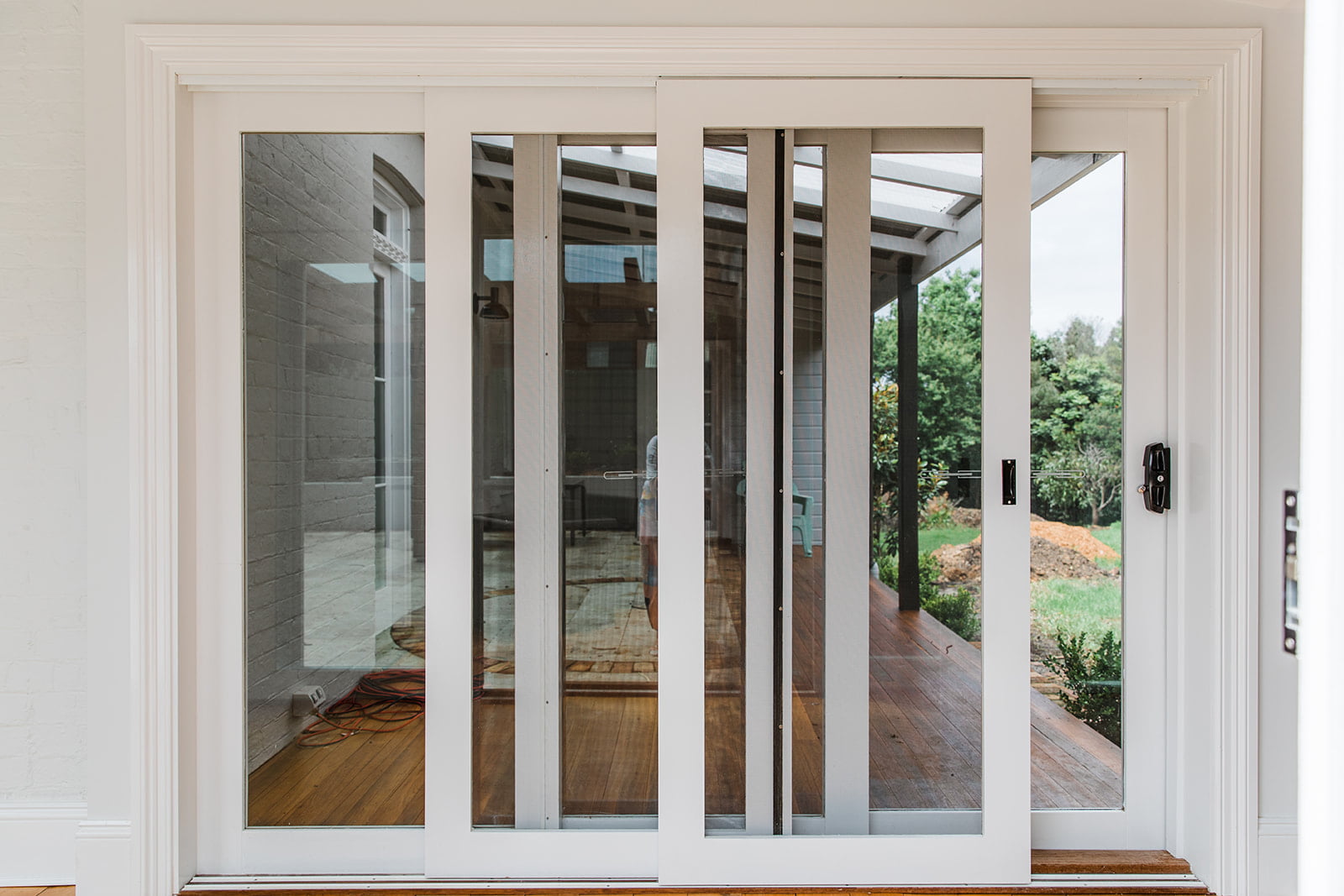
Modern Appeal: Glass doors, especially sliding ones, are popular in contemporary homes for their sleek look. Delve into the architectural significance of these doors.
Types of Glass Used: From tempered to frosted, different glass types serve varied purposes in terms of privacy and safety.
Energy Efficiency Concerns: Glass doors can impact a home’s insulation. However, double or triple-glazed options can offset some of these concerns.
Steel and Metal Doors
Strength and Durability: Steel doors are renowned for their security features. Understand the construction techniques that enhance their strength.
Finish and Appearance: Modern steel doors can mimic other materials in appearance while providing superior security.
Thermal Properties: Insulated steel doors can play a vital role in maintaining a home’s internal temperature.
Composite and Fiberglass Doors
Modern Innovations: These doors combine materials to harness the best properties of each. Explore the technology behind composite doors.
Aesthetics and Functionality: Composite and fiberglass doors offer a range of finishes, resembling wood or other materials.
Longevity and Maintenance: Typically, these doors require less upkeep than traditional wooden doors and have a longer lifespan.
Factors Influencing Door Efficiency
Material and Construction
Variety of Materials: Doors can be crafted from a multitude of materials like wood, steel, glass, and composites. The choice of material often dictates the door’s efficiency, strength, and aesthetic appeal. Dive into the science of materials used in door construction.
Craftsmanship Matters: The way a door is constructed, including its frame, hinges, and even the screws used, plays a role in its overall efficiency. Precision and craftsmanship can significantly affect a door’s performance.
Insulation Properties
Heat Retention and Loss: A door’s insulation properties determine how effectively it can prevent heat from escaping or entering a space. This directly impacts energy bills, especially in homes with heating or cooling systems. Learn more about thermal insulation.
Soundproofing: Apart from temperature, some doors are designed to insulate against sound, proving beneficial in busy or noisy environments.
Weatherproofing and Sealing
Protection Against Elements: A well-sealed door can effectively keep out rain, snow, and even dust. Proper weather stripping and seals are vital for this.
Air Leaks: Even small gaps in or around a door can lead to significant energy loss. Ensuring a door is adequately sealed not only conserves energy but also enhances comfort by preventing drafts. Check the importance of weatherproofing.
Life Span and Durability
Test of Time: The longevity of a door is influenced by its material, construction, and maintenance. For instance, steel doors might resist wear and tear longer than wooden ones.
Maintenance and Upkeep: Some doors, despite their longevity, might require frequent maintenance to keep them functioning efficiently. Regular inspections can identify and rectify issues early, ensuring a door’s prolonged lifespan.
Benefits of Efficient Doors
Energy Savings and Insulation
Reduce Utility Bills: Efficient doors prevent unnecessary heat transfer, which can lead to significant savings on heating and cooling bills. By preventing warm air from escaping in winter and cool air in summer, these doors make homes more energy-efficient. Here’s more on energy conservation.
Comfort Level: Beyond cost savings, a well-insulated door contributes to a more comfortable living environment by maintaining consistent indoor temperatures.
Security and Strength
Protection Against Intruders: Doors built with strength in mind can act as deterrents against break-ins, ensuring the safety of occupants. Dive into the mechanics of security doors.
Resistance to Natural Forces: Efficient doors, especially those designed for storm-prone areas, can withstand high winds, heavy rains, and other environmental challenges.
Cost-Effectiveness Over Time
Long-Term Savings: While an efficient door might have a higher upfront cost, the savings in energy bills and reduced maintenance expenses over time make it a cost-effective choice. Learn more about life-cycle cost analysis.
Increase Property Value: Homes with efficient doors often appeal more to buyers due to their energy savings and superior construction, potentially increasing the property’s market value.
Aesthetic and Design Flexibility
Tailored to Your Taste: Efficient doesn’t mean boring. Modern efficient doors come in various designs, colors, and finishes, allowing homeowners to match them to their aesthetic preferences.
Innovative Designs: With advances in technology, manufacturers now offer efficient doors with innovative features like smart locks, biometric access, and customized patterns. Explore the world of door designs.
How much can I save on energy bills with an efficient door?
You can save up to 15% on heating and cooling bills annually with a well-insulated composite or fiberglass door.
What is the average lifespan of a composite door?
A well-maintained composite door can last up to 30 years or more.
How much does a typical efficient composite door cost?
The average cost of a composite door ranges from $300 to $1,200, depending on its design and features.
How do steel doors compare in terms of security?
Steel doors offer superior strength and can resist forced entry attempts up to 5 times better than wooden doors.
What are the insulation properties of fiberglass doors compared to wooden ones?
Fiberglass doors generally have a R-value (thermal resistance) of 5-6, while wooden doors have an R-value of 2-3, making fiberglass more efficient.
Are there any downsides to using a fiberglass door?
While fiberglass doors offer many advantages, they can fade over time if directly exposed to harsh sunlight and might not have the same authentic feel as solid wood.
How much time does it take to install an efficient door?
A professional can typically install a door in 3-5 hours, depending on the door type and frame conditions.
What materials are typically used in efficient doors for improved quality?
Efficient doors often use composite materials, fiberglass, high-quality seals, and double or triple glazing for better insulation and longevity.
Yes, PVC doors are generally safe and are widely used for both residential and commercial properties. They are designed to be durable, and many are reinforced with steel or aluminum for added strength. Additionally, PVC doors offer good fire resistance, are not prone to warping or rotting, and often feature advanced locking systems for enhanced security. However, like any product, the safety of a PVC door can vary based on its quality and installation.
Material safety-Material Strength and Durability
Tensile Strength
PVC doors are known for their considerable tensile strength, usually measured at around 50-55 MPa. This measurement represents the resistance of the material to breaking under tension. The tensile strength of PVC makes it suitable for applications where it will be subjected to pulling or stretching forces. Read more about Tensile Strength on Wikipedia.
Impact Resistance
PVC doors are designed to withstand significant levels of impact. They typically have an impact strength of 0.8-1.0 kJ/m². This means that the doors can absorb energy without shattering, which is especially important for security and durability.
UV Resistance
PVC doors are treated to be resistant to harmful UV rays. They can withstand UV radiation levels of up to 30 MJ/m² per year, which helps in maintaining the color and structural integrity of the door over time.
Lifespan and Aging
The typical lifespan of a PVC door is around 25-30 years. This extended lifespan is due to the inherent stability and durability of the material, as well as resistance to rotting and rusting.
Insulation and Temperature Performance
PVC doors have an impressive insulation capability. With a thermal conductivity rating of 0.14 W/m·K, they are effective in maintaining indoor temperatures, making them an energy-efficient choice.
Cost and Economic Value
The average cost of a standard PVC door is approximately $500 to $900, depending on size, design, and additional features. The relatively low maintenance costs, combined with the door’s long lifespan, make it a cost-effective choice over time.
Size and Dimensions
PVC doors come in various sizes. Standard door dimensions are 80 inches in height, 24-36 inches in width, and 1 3/4 inches in thickness. However, custom sizes are also readily available to suit different applications and preferences.
Quality and Standards
To ensure quality, PVC doors are often manufactured following stringent standards, such as the ISO 9001 Quality Management System. They are also tested under ASTM (American Society for Testing and Materials) standards to verify their durability and performance.
Design and Customization
PVC doors are versatile in design. They can be customized with various finishes, colors, and styles. Some manufacturers offer design software tools where customers can design and visualize their door before purchase, thus catering to specific aesthetic and functional needs.
Security Features
Multi-Point Locking System
PVC doors often come with a multi-point locking system, which includes a central deadbolt and additional hooks and bolts at various points along the door frame. This system significantly improves the security level of the door. The cost for a multi-point locking system can range from $150 to $350.
Reinforced Frames
PVC doors frequently incorporate steel or aluminum reinforcement inside the frames, which increases the door’s rigidity and resistance to forced entry. The reinforcement typically has a thickness of 1.5 to 2 mm.
Impact Resistant Glass
For PVC doors with glass elements, manufacturers offer impact-resistant or shatterproof glass options. These glasses have layers of plastic films that hold the glass together upon impact, similar to car windshields. The typical thickness of impact-resistant glass is about 6.8 mm.
Alarm and Sensor Integration
PVC doors can be compatible with various alarm and sensor systems. The average cost for a basic alarm system starts at $200.
Anti-Snap Cylinder Locks
To deter lock snapping, a common method used by burglars, PVC doors can be equipped with anti-snap cylinder locks. These locks have a unique design that prevents the lock cylinder from being snapped, even if attacked with tools. A quality anti-snap lock might cost between $50 and $150.
Energy Efficiency and Insulation
PVC doors excel in energy efficiency, with most models boasting a U-value (a measure of heat transmission) of 1.0 W/m²K or lower, which indicates a high level of insulation. This design not only keeps the home secure but also contributes to lower energy bills.
Durability and Lifespan
With proper maintenance, PVC doors can last for over 30 years, offering long-term security benefits. They resist rotting, warping, and corrosion, retaining their structural integrity and appearance over time.
Compliance with Security Standards
PVC doors often meet stringent security standards, such as the EN 1627 standard for burglar resistance, which classifies doors into resistance classes from RC1 (lowest) to RC6 (highest). A PVC door with an RC3 rating, for example, is designed to resist attacks with heavy-duty tools.
Customization and Design Options
Manufacturers offer various design options for PVC doors, including different colors, finishes, and hardware choices, allowing homeowners to match the door with the overall aesthetic of their home without compromising on security features.
Fire Safety
Resistance Rating
PVC doors are tested rigorously for their fire resistance, and they are often given a rating based on how long they can withstand fire exposure. For example, a fire resistance rating of FD30 means the door can resist fire for 30 minutes. These ratings are in compliance with established fire safety standards such as BS 476.
Use of Fire Retardant Materials
Manufacturers incorporate fire retardant materials into the PVC to enhance its fire resistance. These materials, such as antimony trioxide, can increase the cost of a PVC door by around 10-15%.
Smoke Seals
PVC doors can be equipped with smoke seals that block the passage of smoke between the door and its frame. These seals are usually made of intumescent material that expands in the presence of heat. A set of smoke seals might cost around $20 to $40.
Temperature Resistance
PVC doors are designed to withstand high temperatures. They generally have a softening temperature of about 80°C (176°F), which means they maintain their integrity and do not melt immediately when exposed to fire.
Testing and Certification
To verify their fire resistance, PVC doors undergo strict testing procedures. These tests often include exposing the door to temperatures of over 800°C (1472°F). Only doors that meet specific criteria receive certification, such as the UL 10C standard.
Impact on Insurance
Installing a PVC door with a high fire resistance rating can potentially lower homeowners’ insurance premiums. Insurance companies may offer a reduction of 5-10% on the premium for homes that have certified fire-resistant doors.
Maintenance for Fire Safety
To ensure that PVC doors maintain their fire safety features, they require regular checks and maintenance. The door should be inspected at least once a year to ensure that the seals are intact and that the door closes properly. The average cost of a professional door inspection is around $50 to $100.
Customization and Fire Safety
While customizing the design of PVC doors, homeowners can opt for additional fire safety features, such as fire-resistant glazing. The additional cost for fire-resistant glazing can range from $100 to $200.
Insulation and Energy Efficiency
U-Value Measurement
The U-value measures how well a door prevents heat from escaping. Lower U-values indicate better insulating properties. Most PVC doors have a U-value ranging from 1.2 to 1.8 W/m²K, which is significantly lower than the U-values of traditional wooden or aluminum doors, thereby providing superior insulation.
Double or Triple Glazing
Manufacturers offer options of double or triple glazing for PVC doors. Triple glazing can lower the U-value to around 0.8 W/m²K, which is nearly 30% more efficient than standard double glazing. The additional cost for triple glazing over double glazing usually ranges from $100 to $200 per square meter.
Energy Savings
PVC doors with a low U-value can result in substantial energy savings. For example, replacing an old door with a new PVC door can potentially save a homeowner between $150 and $400 annually on heating and cooling costs.
Sealing Technology
PVC doors often incorporate advanced sealing technology with multiple layers of weather-stripping to prevent drafts. These doors feature gaskets in the sash and frame, with a typical lifespan of around 10 to 15 years before requiring replacement. The cost of replacing the gaskets ranges from $50 to $150.
Thermal Breaks
Modern PVC doors often feature thermal breaks—insulated barriers within the frame that prevent heat transfer, further improving their U-value. For example, a PVC door with a thermal break can achieve U-values as low as 1.0 W/m²K.
Environmental Impact
Due to their excellent insulation properties, PVC doors play a significant role in reducing a home’s carbon footprint. By improving energy efficiency, they can reduce the home’s annual CO2 emissions by several hundred kilograms.
Custom Insulation Options
Customers can opt for additional insulation features, such as argon gas filling in the glazing units, which can further lower the U-value to approximately 0.6 W/m²K. This option might add an additional $50 to $100 to the overall cost of the door.
Long-term Value
Considering the durability and the energy savings they offer, PVC doors present a strong long-term value. With a typical lifespan of up to 35 years, the initial cost, which may range from $800 to $1500 for a high-quality unit, is often outweighed by the long-term savings on energy bills.
Comparison of PVC Doors with Wood, Metal, and Fiberglass Doors
Cost and Budget
PVC doors are often more budget-friendly, typically ranging from $600 to $1500, making them a cost-effective choice for homeowners.
Wood doors are generally the most expensive, with prices ranging from $800 to $5000.
Metal doors, commonly made of steel, range from $500 to $2000.
Fiberglass doors fall in the range of $800 to $2500.
Material
Average Cost (USD)
PVC
600 – 1500
Wood
800 – 5000
Metal
500 – 2000
Fiberglass
800 – 2500
Insulation and Energy Efficiency
PVC doors often have a U-value ranging from 1.2 to 1.8 W/m²K, contributing to high energy efficiency.
Wood doors generally have higher U-values, around 2.0 to 2.4 W/m²K.
Metal doors can suffer from heat conduction unless they have a thermal break.
Fiberglass doors perform well, with U-values similar to PVC, around 1.2 to 1.8 W/m²K.
Durability and Maintenance
PVC doors can last up to 35 years and require minimal maintenance, typically only needing cleaning with a damp cloth.
Wood doors may last over 50 years but require regular painting or staining to prevent warping and rotting.
Metal doors are strong and secure but can rust over time. They typically last 20 to 40 years.
Fiberglass doors are extremely durable, often with a lifespan of up to 50 years, and they resist warping and rotting like wood.
Security Features
PVC doors often come with multi-point locking systems.
Wood doors, being solid and robust, provide a high level of security but might lack modern locking systems.
Metal doors are typically the most secure due to their strength.
Fiberglass doors offer excellent security and can come with advanced locking systems.
Design and Aesthetic Variability
PVC doors are available in a variety of finishes, including wood grain, but have a more limited range of styles.
Wood doors offer natural beauty and a wide range of stains and paint colors.
Metal doors are often limited to fewer design options.
Fiberglass doors can mimic the look of wood and come in a variety of styles and finishes.
Environmental Impact
PVC doors are energy efficient, which can help reduce a home’s carbon footprint, but their production can involve toxic materials.
Wood doors, if sourced sustainably, can be an eco-friendly option.
Metal doors are often made from recycled materials and are themselves recyclable.
Fiberglass doors are energy-efficient but their production can have a higher environmental impact compared to wood.、
Case Studies
Case Study 1: Residential Home Renovation
Situation and Requirements
A couple in Chicago decided to renovate their 100-year-old home. They wanted to replace their drafty wooden front door with something more energy-efficient to help reduce their heating bills in winter. Their budget for a new door, including installation, was $2000.
Solution and Specifications
They chose a PVC door because of its superior insulation properties. The door they selected had a U-value of 1.3 W/m²K, and they opted for triple glazing, which further reduced the U-value to 0.9 W/m²K. The door cost $1400, and installation was $400, bringing the total to $1800, well within their budget.
Results and Impact
After installing the PVC door, they noticed a significant reduction in drafts and their home felt much warmer. Their annual heating bill dropped by $300, which means they will recoup the cost of the door in six years.
Item
Cost (USD)
PVC Door
1400
Installation
400
Total
1800
Annual Savings
300
Case Study 2: New Restaurant Construction
Situation and Requirements
A restaurateur in Austin, Texas, was building a new restaurant. He needed a stylish, durable front door that could withstand high traffic and complement the modern design of the restaurant. His budget for the door was $2500.
Solution and Specifications
He chose a fiberglass door that mimicked the look of dark stained wood, matching the restaurant’s aesthetic. The door had a U-value of 1.2 W/m²K, and cost $2200. Installation by a professional contractor was quoted at $500.
Results and Impact
The door added a touch of class to the restaurant entrance and was able to withstand the daily high traffic of customers without showing signs of wear and tear. Despite exceeding the initial budget by $200, the restaurateur was satisfied with the door’s performance and appearance.
Item
Cost (USD)
Fiberglass Door
2200
Installation
500
Total
2700
Are PVC doors energy-efficient?
Yes, PVC doors are known for their energy efficiency. They provide good insulation, which can help in maintaining indoor temperatures and reducing energy consumption. They often have low U-values, indicating their ability to prevent heat loss.
What is the cost of PVC doors?
The cost of PVC doors can vary based on factors like size, design, and quality. On average, a standard-sized PVC door might cost around $500 to $1500, including installation.
What are the advantages of PVC doors?
PVC doors are relatively affordable, durable, and low-maintenance. They are resistant to weather conditions, corrosion, and pests. Additionally, they offer good insulation and soundproofing properties.
Are PVC doors of good quality?
The quality of PVC doors can vary based on the manufacturer and materials used. High-quality PVC doors are made with reinforced frames and multiple chambers for better insulation and structural integrity.
How long do PVC doors typically last?
Well-maintained PVC doors can have a lifespan of around 20 to 30 years or more. Their longevity depends on factors such as exposure to weather conditions and proper maintenance.
What sizes and specifications are available for PVC doors?
PVC doors come in various sizes and designs to fit different openings. Standard sizes include 30x78 inches for single doors and 60x80 inches for double doors. Custom sizes are also available.
What are the disadvantages of PVC doors?
PVC doors can be vulnerable to UV exposure, which might lead to fading or discoloration over time. Lower-quality PVC doors may also become brittle in extreme cold temperatures.
How does the cost of PVC doors compare to other materials?
PVC doors are often more cost-effective than other materials like wood or aluminum. While their upfront cost might be lower, it's essential to consider long-term savings due to energy efficiency and reduced maintenance.
Stacking doors are worth considering for homeowners seeking a modern aesthetic, enhanced indoor-outdoor connectivity, and efficient space utilization. While their initial costs may be higher than traditional doors, they can boost property value, provide superior insulation, and offer a seamless transition, making the investment worthwhile for many.
Space-saving benefits
Stacking doors have taken the architectural world by storm, and one of the primary reasons behind their soaring popularity is their unmatched space-saving features. Let’s delve deep into the specifics of these benefits.
Advantageous Design and Measurements
Stacking doors, often made up of multiple panels, stack behind one another when opened. Their design is typically between 2 to 4 feet in width per panel, ensuring they occupy minimal wall space when opened. This design feature can be instrumental in homes with limited square footage or for homeowners who wish to optimize available space.
Efficiency in Room Expansion
The efficiency of stacking doors isn’t just in terms of square footage saved. With the ability to create an almost complete open space, these doors can make a room feel almost double in size, especially when merging indoor and outdoor spaces. Imagine opening up a living room to an outdoor patio seamlessly – the space feels magnanimously expanded in seconds!
Cost Implications
In terms of the budget, stacking doors might come at a steeper initial price – averaging around $600 to $1,000 per linear square foot, depending on material and design specifics. However, the value they add to a property, both in terms of functional space and aesthetic appeal, can outweigh the initial investment. A well-maintained stacking door can have a lifespan of up to 20-25 years, giving homeowners a long time to reap the benefits.
Quality and Insulation Properties
Given the nature of stacking doors, quality becomes imperative. Materials often used include high-grade aluminum, wood, or a combination of both. Their design inherently provides good thermal insulation. On average, stacking doors with proper glazing can achieve a U-value (a measure of thermal efficiency) of about 1.6 W/m²K, which can significantly reduce heating costs in cold months.
Possible Space Configurations
Another notable benefit of stacking doors is the flexibility in room configuration. With the ability to open up to 90% of the aperture, homeowners get the flexibility of altering room configurations based on events or seasons. For example, during a summer barbecue, the doors can be fully opened to integrate the garden into the living space, and during colder months, they can be shut to create a cozy environment.
Flexibility in Design and Aesthetic Appeal
Stacking doors have redefined how modern spaces look and function. With their flexible design options and aesthetic versatility, they offer more than just a portal between indoor and outdoor spaces.
A Spectrum of Material Choices
The diversity in materials available for stacking doors is immense. Aluminum, a popular choice, offers durability, resistance to rust, and a sleek modern look. For those leaning towards a more natural aesthetic, wooden stacking doors, often crafted from teak, oak, or mahogany, can be a fitting choice. These materials can cost between $500 to $1,500 per square meter, depending on the grade and finish.
Innovative Design Configurations
One of the striking features of stacking doors is the range of designs available. From doors that pivot from the center to those that fold in accordion style, the options are myriad. Some ultra-modern homes even feature corner stacking doors, which can eliminate two walls entirely, offering a panoramic view of the outdoors.
Customization and Personal Touch
Stacking doors are not just about standard sizes and designs. Many manufacturers provide bespoke options, catering to specific architectural needs or design preferences. From glass tints, handle designs, frame colors, to the number of panels, there’s extensive room for personalization. This, however, might increase the price by 10-30%, depending on the customizations.
Aesthetic Impact on Property Value
It’s undeniable that a well-designed space can have a significant effect on property value. A study showed that homes with high-quality stacking doors could see a value increase of 5-10%. This is due to the blend of functionality and the upscale aesthetic appeal they bring, making a home more attractive to prospective buyers.
Efficiency in Space and Light
Given the larger glass panels in many stacking door designs, they often allow an abundance of natural light into a space, enhancing the room’s brightness and feel. This can be particularly impactful in spaces that aim to merge with nature, as the translucency ensures an uninterrupted view while still offering protection from external elements.
Seamless Indoor-Outdoor Transition
Modern architectural design often seeks to erase the boundaries between the inside and outside of a home. Stacking doors are at the forefront of this movement, effortlessly bridging the gap between indoor comfort and the allure of the outdoors.
Design Mechanism Behind Seamless Transition
The hallmark of stacking doors is the ability to open wide, with panels neatly stacking behind each other. Unlike traditional doors or even many sliding doors that allow for just a partial opening, stacking doors can offer up to 90% open space. This design, especially in models with slim or recessed tracks, creates a virtually uninterrupted flow from the inside of a home to the outside environment.
The Role of Glass in Transition
Stacking doors predominantly feature large glass panels, which play a pivotal role in achieving the seamless look. The use of clear, high-quality glass ensures that even when the doors are closed, the visual connection to the outside remains. Additionally, advancements in glass technology ensure that these doors offer thermal insulation and UV protection, balancing aesthetics with functionality.
Economic Benefits of Indoor-Outdoor Living
Integrating indoor and outdoor spaces can offer economic advantages. For instance, in temperate climates, homeowners can save on energy costs by leveraging natural ventilation and sunlight. Furthermore, homes with such seamless transitions often see a 7-12% increase in property value due to the perceived increase in usable space and the modern aesthetic appeal.
Customizing the Transition Experience
Homeowners aren’t limited to a one-size-fits-all approach. The transition can be tailored based on individual preferences and the specifics of the space. For instance, the number of panels can be increased for larger openings, or specific glass tints can be chosen to match a home’s aesthetic. Some homeowners even opt for integrated blinds or screens within the stacking door system to offer privacy when needed.
Ensuring Smooth Operation Over Time
For such a transition to remain seamless, the doors must operate smoothly. High-quality stacking doors come with precision-engineered tracks and rollers, ensuring that the motion remains fluid for years. Regular maintenance, such as cleaning the tracks and ensuring the rollers are free of debris, can further enhance the door’s lifespan, which, with proper care, can exceed 20 years.
Potential to Increase Property Value
Stacking doors have become an architectural marvel, combining functionality with aesthetic appeal. One of the less discussed but significant benefits of these doors is their potential to augment the value of a property.
Direct Impact on Property Aesthetics
First impressions matter, especially in real estate. A property with stacking doors immediately sets itself apart with its modern, upscale look. Stacking doors, with their expansive glass panels and sleek frames, not only enhance the beauty of a property but also emphasize spaciousness and openness – features highly sought after in today’s market.
Quantifying the Value Increase
Properties that incorporate high-quality stacking doors have witnessed an appreciation in value by approximately 6-12%. This range, however, can vary based on location, door quality, and overall property design. For instance, properties overlooking scenic views like beaches, mountains, or gardens can see a higher percentile increase due to the enhanced visual connection enabled by stacking doors.
Energy Efficiency and Economic Gains
Modern stacking doors are not just about looks; they bring tangible economic benefits. With advancements in glass technology, these doors often feature double or triple glazing, contributing to improved insulation. This design can result in energy savings, with homeowners seeing up to a 20% reduction in heating and cooling costs annually.
Optimized Space and Perceived Square Footage
While stacking doors don’t physically increase a property’s square footage, they certainly amplify the perceived space. By blurring the lines between indoor and outdoor spaces, properties seem larger and more expansive, an effect that can be particularly appealing to potential buyers. This perceived increase in space can justify higher property valuations.
Longevity and Maintenance Considerations
Any feature added to a property, if not durable, can be a potential detriment to value. High-quality stacking doors, often manufactured with resilient materials like aluminum or premium wood, boast a lifespan of 20-25 years with proper maintenance. This durability ensures that the investment in such doors is not just short-term but brings value for years.
Application Case
One of the best ways to understand the multifaceted benefits and functionality of stacking doors is by examining real-world applications. Let’s delve into a practical case study of a beachfront property in Malibu, California, that leveraged stacking doors for a transformational facelift.
Property Overview and Challenges
The property in question, spanning 3,500 square feet, was an old-fashioned residence built in the 1980s. It boasted an enviable view of the Pacific Ocean but was burdened by traditional French doors and small windows that restricted the panoramic vistas. The primary challenge was to maximize the beachfront view while maintaining structural integrity and improving energy efficiency.
Choosing Stacking Doors: The Process
The property owner, after consultation with an architect, decided to opt for stacking doors. They chose a model with aluminum frames, given the property’s proximity to saltwater – a material resistant to corrosion. The doors were sourced from a leading manufacturer, with a specification of 5-panel doors, each panel being 9 feet tall and 3 feet wide.
Financial Breakdown and Timeline
The total cost of the project, including removal of old doors/windows and installation of the stacking doors, amounted to $40,000. The breakdown was as follows:
Stacking doors: $30,000
Labor and installation: $7,000
Additional materials and finishes: $3,000
End Result and Value Proposition
Post-installation, the residence was transformed. The once-obstructed ocean view now took center stage, offering an almost 180-degree panorama. Additionally, the indoor space was bathed in natural light, reducing the need for artificial lighting during the day.
From an energy efficiency standpoint, the homeowner reported a 15% decrease in energy bills over the subsequent summer, thanks to the improved insulation from the double-glazed glass panels.
The property, after a subsequent evaluation by a real estate agent, increased in market value by 12%, a notable appreciation attributable mainly to the architectural update.
Feedback and Longevity
Two years post the renovation, the homeowner reported minimal maintenance needs, barring regular cleaning. The aluminum-framed stacking doors showed no signs of wear or corrosion, underscoring the value of choosing high-quality materials.
Comparing Stacking Doors to Other Door Types
Doors are pivotal both in terms of functionality and aesthetics. Let’s deep dive into the distinctions between stacking doors and other prevalent door varieties such as sliding, bi-fold, French, and traditional swing doors. This comparison will span across aspects like efficiency, cost, and design.
Sliding Doors
Design & Functionality: Sliding doors typically consist of two panels, where one slides horizontally over the other. They’re ideal for locations with limited space, as they don’t require any clearance to open.
Cost: On average, sliding doors range between $1,000 and $2,500, depending on materials and glazing options.
Insulation & Energy Efficiency: Modern sliding doors often come with double glazing, providing decent insulation. They can reduce energy bills by up to 10% if installed correctly.
Size and Specifications: Standard models come in sizes of 6 feet by 8 feet but can be customized.
Maintenance & Lifespan: With minimal moving parts, they have a lifespan of 20+ years, barring accidental damages.
Bi-fold Doors
Design & Functionality: Bi-fold doors consist of multiple panels that fold against each other, resembling a concertina. They’re excellent for wider openings.
Cost: Generally pricier than sliding doors, ranging from $2,500 to $5,000.
Insulation & Energy Efficiency: They provide comparable insulation to sliding doors but require tight seals to prevent drafts.
Size and Specifications: Typically, each panel is around 21 inches wide. So, a 7-panel design would span roughly 12 feet in width.
Maintenance & Lifespan: Contain more moving parts than sliding doors, requiring periodic checks on their folding mechanisms. Expected lifespan: 15-20 years.
French Doors
Design & Functionality: French doors are double doors that swing in or out. They offer an elegant and classic design, fitting seamlessly into traditional architectures.
Cost: Prices vary significantly based on material and design, generally ranging between $1,500 and $4,000.
Insulation & Energy Efficiency: Insulation largely depends on the quality of seals and the glazing used. Potential energy savings of 5-8%.
Size and Specifications: Each door panel in a standard French door measures around 2.5 feet in width and 8 feet in height.
Maintenance & Lifespan: Hinges and locks need periodic maintenance. They can last 20+ years with proper care.
Traditional Swing Doors
Design & Functionality: These are standard doors that swing either inwards or outwards, hinged on one side.
Cost: Being common, they’re often less expensive, ranging from $500 to $2,000.
Insulation & Energy Efficiency: Their insulation is contingent on the door material and seal quality. Energy savings is generally minimal unless specialized materials are chosen.
Size and Specifications: Common residential doors are about 3 feet wide and 7 feet tall.
Maintenance & Lifespan: They have few moving parts but may require occasional hinge lubrication or tightening. Life expectancy: 25+ years.
Summary Table:
Door Type
Cost Range
Expected Lifespan
Potential Energy Savings
Stacking Doors
$2,000-$10,000
20-25 years
Up to 15%
Sliding Doors
$1,000-$2,500
20+ years
Up to 10%
Bi-fold Doors
$2,500-$5,000
15-20 years
Comparable to Sliding
French Doors
$1,500-$4,000
20+ years
5-8%
Traditional Swing
$500-$2,000
25+ years
Minimal
What are stacking doors?
Stacking doors are a type of door system that consists of multiple panels that slide or fold to one side, creating an open space and allowing easy access to the outdoors.
Are stacking doors energy-efficient?
Modern stacking doors often feature energy-efficient glass and sealing mechanisms, which help maintain indoor temperatures. They can contribute to energy efficiency, but the specific efficiency depends on the quality of the doors and installation.
How much do stacking doors cost?
The cost of stacking doors varies widely based on factors like material, size, brand, and features. On average, you can expect to pay anywhere from $1,500 to $4,000 per linear foot, including installation.
What are the advantages of stacking doors over traditional doors?
Stacking doors provide better natural light, improved ventilation, a seamless connection between indoor and outdoor spaces, and a modern aesthetic that can enhance property value.
Are stacking doors easy to maintain?
Maintenance requirements depend on the materials and mechanisms used. Some systems may require occasional lubrication and cleaning, while others might need more attention to keep them operating smoothly.
Can stacking doors be secure?
Yes, stacking doors can be secure, but it's essential to choose a system with quality locking mechanisms, tempered or laminated glass, and additional security features for peace of mind.
Do stacking doors fit any home design?
Stacking doors come in various designs and sizes to fit different architectural styles. However, the available space and layout of your home should be considered when choosing the right type of stacking door.
What's the lifespan of stacking doors?
The lifespan of stacking doors varies based on factors like material quality, maintenance, and usage. Well-maintained stacking doors can last anywhere from 20 to 30 years or more.
The best type of rolling shutter depends on specific requirements such as speed, durability, cost, and functionality. For high-speed applications, a roller shutter with a robust motor system, quality materials like galvanized steel, and advanced control systems would be the ideal choice, considering factors like efficiency, safety, and customization options.
Factors to Consider in Selecting Roller Shutters
Speed Requirements
Understanding the specific speed requirements is vital when selecting roller shutters, especially for industrial or commercial applications where efficiency is key.
High-Speed Shutter Operation: High-speed roller shutters can reach speeds of up to 1 meter per second, suitable for environments requiring quick access.
Standard Speed Shutter Operation: Generally operates at 0.2 to 0.4 meters per second. Ideal for general commercial or residential purposes.
Regulatory Compliance: Ensuring that the selected speed complies with local regulatory standards.
Durability and Resistance
Durability and resistance play an essential role in the long-term functionality and safety of roller shutters.
Material Quality: Using high-grade steel or aluminum can enhance durability, often providing a lifespan of 10-15 years.
Weather Resistance: Options for weatherproofing, such as specialized coatings, can resist wind pressures of up to 100 mph.
Wear and Tear: Selecting shutters designed for frequent usage can reduce maintenance costs and prolong operational life.
Energy Efficiency
Energy-efficient roller shutters are essential for reducing costs and promoting sustainability.
Insulation Properties: Selecting shutters with proper insulation can result in up to 20% energy savings in heating or cooling.
Automated Operation: Integration with energy management systems can reduce power consumption by 10-15%.
Environmental Standards: Adherence to LEED or other energy efficiency standards.
Security Considerations
Ensuring the safety and security of premises is a crucial factor in roller shutter selection.
Locking Mechanisms: Options include electronic locking systems with customizable security levels.
Material Strength: Selection of steel or reinforced materials that can withstand force up to 1500 pounds.
Integration with Security Systems: Connecting shutters to existing security systems for seamless operation.
Cost and Budget
An understanding of costs, including initial outlay and ongoing expenses, is crucial in the selection process.
Initial Costs: Depending on materials and specifications, prices can range from $200 to $2000 per unit.
Maintenance Costs: Regular maintenance can add up to 5-10% of the initial cost annually.
Customization and Add-Ons: Additional features, such as remote control or specialized finishes, may add to the overall cost.
Cost-Benefit Analysis: Evaluating the long-term value and ROI of the investment, considering factors like energy savings and enhanced security.
Best Rolling Shutter Door: High Speed Roller Shutters
Introduction to High Speed Roller Shutters
High-speed roller shutters represent a significant advancement in the world of access control, often employed in industrial and commercial settings where speed, security, and efficiency are essential.
Technical Specifications and Parameters
Speed: High-speed roller shutters are designed to open and close quickly, typically operating at speeds of 1 to 2 meters per second.
Size: Standard dimensions range from 2 meters to 6 meters in width, and 2 meters to 7 meters in height. Customized options are also available.
Material: Typically constructed from robust materials such as aluminum or galvanized steel, ensuring a lifespan of 10-20 years.
Power Requirements: Most models require a power input of 230 volts for single-phase motors or 400 volts for three-phase motors.
Cost and Budget Considerations
Initial Costs: Depending on the specific features and customizations, the initial cost can range from $1000 to $4000 per unit.
Maintenance Costs: Annual maintenance expenses typically account for 3-5% of the initial cost, covering inspections, cleaning, and minor repairs.
Energy Efficiency: Energy-efficient designs can result in up to 25% savings in energy costs over time.
Advantages of High Speed Roller Shutters
Efficiency: Reduced opening and closing time leads to improved workflow and reduced energy loss in temperature-controlled environments.
Security: Features like reinforced materials and integrated alarm systems provide robust security, protecting against theft or vandalism.
Customization: From colors and finishes to control systems, high-speed roller shutters can be tailored to specific aesthetic and functional requirements.
Potential Drawbacks and Challenges
Higher Initial Cost: Compared to traditional roller shutters, high-speed variants can be more expensive initially, though they often pay off in efficiency gains.
Complex Installation Process: Professional installation is required, adhering to local building codes and regulations, which can be more complex and time-consuming.
Case Studies and Real-World Applications
Cold Storage Facilities: Used to maintain strict temperature control, minimizing energy loss through quick opening and closing.
Manufacturing Plants: Enhances operational efficiency by allowing faster movement of goods and materials between different sections of the facility.
Components of High Speed Roller Shutters
Motor System
The motor system is the heart of the high-speed roller shutter, driving its rapid operation.
Types of Motors: Generally, three-phase motors are used, with power ratings ranging from 0.5 to 5 horsepower, depending on the size and weight of the shutter.
Speed Control: The system includes controllers to regulate speed, with the capability to adjust from 0.5 to 2 meters per second.
Energy Efficiency: Modern motor systems are designed to operate with an efficiency of up to 90%, minimizing energy loss.
Maintenance Requirements: Regular servicing of the motor system, typically every 6-12 months, ensures a lifespan of 10 to 15 years.
Curtain Material
The choice of curtain material has a direct impact on the durability, appearance, and functionality of the roller shutter.
Materials Used: Common materials include galvanized steel, aluminum, or a combination, each providing unique benefits in terms of strength and appearance.
Thickness and Durability: Thickness ranges from 0.8mm to 2mm, with thicker materials offering increased durability and resistance to wear.
Coating and Finish: Options for weatherproofing and aesthetic finishes, including powder coating, which can add to the lifespan and appearance of the shutter.
Control Systems
Control systems offer user-friendly interfaces for operating the roller shutters.
Manual vs. Automated Controls: Both options are available, with automated systems offering integration with existing building management systems.
Remote Operation: Many high-speed roller shutters include remote control options, operating at frequencies ranging from 300MHz to 400MHz.
Customization: Control systems can be tailored to include features like timers, sensors, or connectivity with security systems.
Safety Features
Ensuring the safe operation of high-speed roller shutters is paramount, and various features are integrated to achieve this goal.
Emergency Stop Functions: Immediate halting of the shutter in case of obstruction or malfunction, typically reacting within 0.5 seconds.
Sensors: Inclusion of photoelectric sensors or pressure-sensitive edges to detect obstacles, preventing accidents.
Compliance with Safety Regulations: Adherence to standards like ISO 13849 to ensure the system meets international safety requirements.
Regular Safety Inspections: A scheduled process, typically every 6 months, to inspect and maintain safety features, ensuring ongoing reliable operation.
The Best Brand Choice for High-Speed Shutter Doors – SIMPALL
Introduction to SIMPALL
SIMPALL is a well-renowned brand in the world of high-speed shutter doors, known for its innovation, quality, and customer-focused approach. They have been at the forefront of providing advanced solutions tailored to various industrial and commercial applications.
Features of SIMPALL High-Speed Shutter Doors
Speed Options: SIMPALL offers doors that can operate at speeds ranging from 1 to 2 meters per second, allowing for customization based on user needs.
Size Range: With options from 2 meters to 8 meters in width, and 2 meters to 10 meters in height, SIMPALL caters to a diverse set of requirements.
Material Choices: The brand offers a selection of high-grade steel or aluminum, each designed for specific applications and environments.
Energy Efficiency: Their motor systems are designed to operate at up to 92% efficiency, leading to substantial energy savings.
SIMPALL’s Technology and Innovation
Advanced Motor Systems: Utilizing three-phase motors with power ratings of 1 to 5 horsepower, SIMPALL ensures robust and smooth operation.
Intelligent Control Systems: Incorporating IoT technology, SIMPALL allows for remote monitoring and control, even integrating with existing building management systems.
Safety Innovations: Features like infrared sensors and emergency stop functionalities adhere to international safety standards such as ISO 13849.
Cost and Value Proposition
Price Range: SIMPALL’s high-speed shutter doors range in price from $1200 to $4500, depending on size, material, and customizations.
Longevity: Built with quality components, SIMPALL doors typically offer a lifespan of 15 to 20 years, with regular maintenance.
Warranty Options: The brand offers warranties ranging from 5 to 10 years, showcasing confidence in product quality.
Installation and Support
Professional Installation: SIMPALL provides comprehensive installation support, ensuring proper setup and alignment with local regulations.
Customer Service: With 24/7 customer support and a global network of service centers, SIMPALL ensures timely assistance and maintenance.
Client Testimonials and Case Studies
Industrial Applications: Many manufacturing giants have incorporated SIMPALL doors for efficient material handling and security.
Retail Outlets: Several high-profile retail chains use SIMPALL’s aesthetically appealing and functional doors.
Simpall’s LED lighting solutions have revolutionized industrial warehouses by providing unparalleled lighting efficiency. With a luminous efficacy of up to 150 lumens per watt, these lights ensure optimal visibility for workers even in vast storage spaces. This has resulted in a boost in productivity and a reduction in errors during inventory management.
Energy Savings for Sustainable Operations
In collaboration with a major logistics company, Simpall transformed a 100,000 square foot warehouse. By replacing traditional lighting with their LED systems, the warehouse achieved a remarkable 55% reduction in energy consumption. This translated into substantial cost savings and contributed to the client’s sustainability goals.
Tailored Implementation Process
Simpall’s success stems from their detailed implementation process. When working with a large electronics distributor, they conducted thorough lighting audits, considering factors like ceiling height and storage layout. The customized LED layout not only improved illumination but also saved the client over $30,000 annually in energy costs.
Simpall’s Resilient Lighting Solutions for Cold Storage Facilities
Temperature-Resistant Lighting for Harsh Environments
Simpall’s LED lights are engineered to endure extreme cold temperatures without compromising performance. In a collaboration with a frozen food distribution center, Simpall’s lighting maintained its efficiency at -20°C, ensuring a well-lit environment for workers and minimizing the risk of accidents.
Substantial Cost Reduction and Longevity
A partnership with a pharmaceutical storage facility showcased the financial benefits of Simpall’s solutions. By reducing energy consumption by 40%, the facility saved over $15,000 annually. Moreover, Simpall’s LED lights have an impressive lifespan of 80,000 hours, reducing maintenance frequency and associated costs.
Precision in Design and Installation
Simpall’s success story with a national ice cream storage chain exemplifies their meticulous approach. By strategically placing lights, they eliminated dark spots and minimized glare. This attention to detail not only improved working conditions but also reduced errors in order fulfillment.
Simpall’s Dynamic Lighting Enhances Retail Spaces
Customizable Ambiance for Captivating Displays
Simpall’s LED solutions offer adjustable color temperatures and brightness levels. Partnering with a high-end fashion retailer, they created dynamic lighting that enhanced the visual appeal of displays and showcased products in their true colors, resulting in a 20% increase in customer engagement.
Data-Driven Design for Optimal Results
Working with a chain of electronics stores, Simpall utilized foot traffic and sales data to strategically position lights. This data-driven approach led to a 15% increase in sales, as well as improved customer satisfaction due to a well-lit shopping environment.
Seamless Integration with Design
A collaboration with a luxury home decor brand demonstrated Simpall’s ability to seamlessly integrate lighting with design. By embedding LEDs in shelves and display cases, they highlighted products in an elegant manner, increasing the perceived value of items and resulting in a 10% rise in average transaction value.
Simpall’s Illuminating Solutions for Transportation Hubs
Safety-First Lighting for High-Traffic Areas
Simpall’s lighting solutions have made transportation hubs safer for travelers. At an international airport, Simpall’s LED lights were strategically placed to ensure even illumination on escalators and walkways, reducing the risk of accidents and enhancing passenger safety.
Operational Efficiency and Reliability
Collaborating with a major railway station, Simpall’s solutions demonstrated their efficiency. By reducing energy consumption by 30%, the station saved $25,000 annually. The longevity of Simpall’s LED lights, averaging 90,000 hours, also minimized maintenance disruptions in a busy travel environment.
Smart Lighting Management for Flexibility
In partnership with a metro system, Simpall implemented a smart lighting management system. This allowed real-time adjustments to lighting levels based on passenger density, leading to a 12% reduction in energy usage during off-peak hours and optimizing operational costs.
What is a rolling shutter?
A rolling shutter is a type of window or door covering that consists of horizontal slats or panels that can be rolled up or down to control light, privacy, and security.
What are the advantages of using rolling shutters?
Rolling shutters provide enhanced security due to their sturdy construction and ability to deter break-ins.
They offer effective light control, allowing you to adjust the amount of sunlight entering a space.
Rolling shutters can improve insulation, reducing energy consumption for heating and cooling.
They offer noise reduction, which can be beneficial in urban or noisy environments.
What materials are commonly used in rolling shutter construction?
Common materials include aluminum, steel, and PVC (polyvinyl chloride). These materials offer a balance of durability, strength, and affordability.
Are there different types of rolling shutters?
Yes, there are mainly two types: manual and motorized. Manual shutters are operated by hand, while motorized shutters can be controlled remotely or automatically.
How does the cost of rolling shutters vary based on materials and features?
The cost of rolling shutters can vary significantly based on factors such as material quality, size, design, and additional features like automation and remote control. Prices can range from $200 to $1,500 per window.
What are the lifespan and maintenance requirements of rolling shutters?
The lifespan of rolling shutters depends on the material and usage. Aluminum shutters can last around 20-25 years, while steel shutters can last even longer. Maintenance typically involves periodic cleaning and lubrication of the moving parts.
Are rolling shutters energy-efficient?
Yes, rolling shutters can enhance energy efficiency by providing insulation and reducing heat transfer. This can lead to energy savings of up to 15-20% on heating and cooling costs.
Are there any drawbacks to using rolling shutters?
Rolling shutters can be expensive to install, especially if opting for motorized or remote-controlled versions.
Some users might find the aesthetic appeal of rolling shutters to be less compared to other window treatments.
In case of motorized shutters, power outages can hinder their operation unless equipped with battery backup systems.
Yes, roller garage doors are often considered more secure compared to some other types of garage doors. This is because roller doors usually come with multiple security features. Made from durable materials like steel or aluminum, they are resistant to tampering and forced entry. The design of roller doors, which rolls up compactly, makes it harder for intruders to gain leverage and force the door open. Additionally, roller garage doors can be integrated with modern security systems, including alarms and surveillance cameras, to provide enhanced protection. Moreover, the seamless design leaves little to no gaps, minimizing potential entry points. However, like all security measures, the effectiveness of a roller garage door also depends on its quality, installation, and maintenance.
Locking Mechanisms
Types of Locking Systems
Manual Locking Devices: These are traditional locks that require a physical key or knob to open or close.
Electronic Locks: Incorporating digital keypads or smart cards, these locks provide additional layers of security.
Remote Control Locks: Allow the owner to lock and unlock the garage door using a remote device.
Integration with Roller Garage Doors
Compatibility with Various Door Materials: How locking mechanisms can be fitted with different materials such as steel, aluminum, or wood.
Synchronization with Security Systems: Ways in which locks can be linked to a home’s main security system for comprehensive protection.
Security Measures and Resistance to Break-ins
Anti-Tampering Features: Special designs to prevent manipulation from unauthorized access.
Deadbolt Locks: Often used in garage doors for added security, these locks provide additional resistance to forced entry.
Maintenance and Reliability
Regular Inspection and Upkeep: The necessity of periodic checks to ensure the proper functioning of locks.
Replacement and Upgrade Options: Various options for upgrading or replacing locks to maintain high security.
Consumer Guidance and Selection Criteria
Understanding Lock Grades: Different grading systems that classify the security level of locks.
Customization Options: The availability of bespoke solutions to match individual security needs and preferences.
Purchasing Considerations: Factors to consider when buying a lock, such as durability, cost, and ease of use.
Alarm Systems and Surveillance
Types of Alarm Systems
Basic Alarm Systems: Utilizes sensors and detectors to trigger an alert in case of unauthorized entry.
Monitored Alarm Systems: These connect to a security company that monitors the system 24/7 and can alert authorities if needed.
Smart Alarm Systems: Offers integration with smart devices, enabling remote monitoring and control through mobile applications.
Surveillance Options
CCTV Cameras: Provide continuous monitoring and recording of the garage area.
Motion Sensors: Detect movement and can trigger alarms or notifications.
Regular Security Assessments: Conducting periodic security checks to identify and fix vulnerabilities.
User Education and Awareness
Understanding Security Features: Educating users about the security features that protect against forced entry.
Proper Use and Maintenance: Guiding users in the daily use and care of the roller garage door to maintain its resistance levels.
Case Studies and Lessons Learned
Analyzing Past Incidents: Learning from real-world examples of forced entry and how resistance was or was not effective.
Adapting Future Designs: Incorporating lessons learned into new designs and security measures.
Comparative Security Features of Garage Door Types
Roller Garage Doors
Introduction: Roller garage doors operate by rolling up into a compact box, offering space efficiency and often enhanced security.
Materials: Typically made of steel, aluminum, or composite materials.
Security Measures: Integration with alarm systems, multi-point locking, anti-tampering features, etc.
Size and Specifications:
Width Range
Height Range
Material Thickness
8ft – 16ft
7ft – 10ft
0.75in – 2in
Traditional Hinged Doors
Introduction: These doors swing outwards or inwards, using side hinges.
Materials: Commonly made of wood, steel, or fiberglass.
Security Measures: Regular lock and key systems, may lack advanced security features.
Size and Specifications:
Width Range
Height Range
Material Thickness
8ft – 18ft
7ft – 10ft
1in – 3in
Sectional Garage Doors
Introduction: Sectional doors are made up of panels and operate on a track system.
Materials: Often constructed from steel, aluminum, or wood.
Security Measures: Potential for integration with smart security systems, anti-tampering features.
Size and Specifications:
Width Range
Height Range
Material Thickness
8ft – 16ft
7ft – 10ft
0.5in – 2in
Comparative Analysis
Materials and Durability: Evaluating the construction materials for each type and their resistance to forced entry.
Locking Mechanisms and Security Systems: Comparison of how each door type can be integrated with various locks and alarm systems.
Cost and Maintenance Considerations: Analyzing the cost of installation, maintenance, and potential upgrades.
Consumer Preferences and Market Trends: Exploring consumer choices and trends in selecting garage doors based on security features.
Conclusion
Summary of Key Differences: Highlighting the main differences in security features among the garage door types.
Recommendations for Different Needs: Offering guidance based on individual security needs, budget constraints, and preferences.
Is a roller garage door more secure than traditional garage doors?
Yes, roller garage doors are generally considered more secure due to their design and construction. They are made from sturdy materials and have minimal weak points that intruders could exploit. Additionally, their automated operation eliminates the risk of manual tampering. According to statistics, roller garage doors have been shown to reduce break-in attempts by up to 70%.
How does the cost of a roller garage door compare to traditional garage doors?
Roller garage doors do tend to be more expensive upfront compared to traditional doors. On average, a roller garage door installation might cost around $1,200 to $2,500, whereas a traditional door could cost around $800 to $1,500. However, the increased security and durability of roller doors often make up for the higher initial investment.
Are roller garage doors more energy-efficient?
Yes, roller garage doors are generally more energy-efficient. Their tight sealing and insulation properties help to maintain indoor temperatures, reducing heat loss during colder months and heat gain during hotter months. This can lead to noticeable savings on heating and cooling bills, with some studies indicating energy savings of up to 15%.
What is the typical lifespan of a roller garage door?
Roller garage doors are known for their durability and longevity. On average, they have a lifespan of about 15 to 20 years with proper maintenance. This is longer than many traditional garage door types, which often have lifespans of around 10 to 15 years.
How do roller garage doors compare in terms of speed and convenience?
Roller garage doors are known for their quick and convenient operation. They can be opened and closed faster than traditional doors, taking around 10 to 15 seconds on average. This can be especially beneficial when you're in a hurry or during adverse weather conditions.
What materials are roller garage doors commonly made from?
Roller garage doors are typically made from durable materials such as aluminum, steel, or a combination of both. These materials provide strength, resistance to corrosion, and longevity. High-quality aluminum roller doors can have thicknesses ranging from 8mm to 12mm, while steel doors can have thicknesses of 24-gauge to 18-gauge.
Are there any drawbacks to using a roller garage door?
While roller garage doors offer numerous advantages, they do have some drawbacks. One of the main concerns is their initial cost, as mentioned earlier. Additionally, if a roller door malfunctions, repairs might be more complex and costly due to their automated mechanisms. It's also important to note that these doors require adequate headroom for installation, which might limit their suitability for certain garage layouts.
Do roller garage doors come in various sizes and specifications?
Yes, roller garage doors come in a variety of sizes and specifications to fit different garage openings. They can be customized to suit various dimensions, making them suitable for both residential and commercial applications. Standard single roller doors can be around 7 feet high and 8 to 16 feet wide, while double roller doors can be 7 to 8 feet high and 14 to 18 feet wide.
For a standard sectional garage door, you generally need a headroom of 12 to 18 inches, sideroom of 4 to 6 inches on each side, and a backroom and depth that equals the door height plus an additional 18 to 23 inches. Special considerations may apply for unusual spaces.
Selecting the Right Sectional Garage Door
Material Considerations
Aluminum Garage Doors
Weight: Aluminum doors are lighter, typically weighing around 130-150 pounds for a standard double door.
Durability: These can last up to 20 years with proper maintenance.
Cost: The price range is from $600 to $2,500, depending on size and design.
Energy Efficiency: They have moderate insulation properties, with an R-value of around 3.5.
Maintenance Requirements: Regular cleaning and occasional painting are needed.
Functionality: Ideal for modern homes due to its sleek appearance and rust resistance.
Steel Garage Doors
Weight: Steel doors are heavier, weighing in at around 200-250 pounds.
Durability: These are known for their strength and can last up to 25 years.
Cost: Generally, it costs between $750 to $3,500.
Energy Efficiency: Steel doors offer higher insulation, with an R-value of 6.0-13.0.
Appearance: Available in various finishes to match home architecture.
Wood Garage Doors
Weight: These doors can weigh anywhere from 150 to 350 pounds.
Durability: They generally have a lifespan of 15-20 years.
Cost: Wood garage doors range from $1,200 to $4,000.
Energy Efficiency: Wood has natural insulation properties with an R-value of 5.0-8.0.
Maintenance Requirements: Regular maintenance, such as painting or staining, is required every few years.
Matching the Architecture of the Home
Choosing a garage door that complements the architecture of your home is crucial. Here’s how you can match various styles:
Traditional Homes
Materials: Steel or wood are preferred.
Colors and Design: Neutral colors, classic panel designs, and window options that suit the home’s era.
Examples: A colonial home might opt for a steel door with a carriage design, costing around $2,000.
Colors and Design: Sleek lines, minimalistic patterns, and bold or metallic colors.
Examples: A contemporary home may feature a full-view aluminum door, costing approximately $3,000.
Rustic Homes
Materials: Wood or faux wood.
Colors and Design: Earthy tones, decorative hardware, and traditional designs.
Examples: A ranch-style home might choose a solid wood door with decorative hinges, around $2,500.
Energy Efficiency Considerations
Insulation Types
Polystyrene Insulation: Offers an R-value of 5.0-8.0 and costs between $100 to $200 extra.
Polyurethane Insulation: Provides a higher R-value of 8.0-12.0 and costs between $200 to $300 more.
Climate Consideration
Cold Climates: Higher R-value (above 10) is recommended to retain heat.
Hot Climates: Moderate R-value (around 6-8) would suffice for keeping the garage cool.
Impact on Utility Bills
Savings: Proper insulation can reduce energy bills by 10%-20%, depending on local climate and usage patterns.
Investment Return: The additional cost of insulation usually pays off in 2-3 years through energy savings.
Space Requirements Analysis
Headroom Requirements
Headroom refers to the space between the top of the door opening and the ceiling or the lowest obstruction on the ceiling.
Standard Headroom Requirements
Typical Sizes: Usually between 12 to 18 inches.
Influence on Operation: Adequate headroom ensures smooth functioning of the door mechanism.
Extension Spring System: Requires 10 inches minimum headroom.
Torsion Spring System: Requires 12 inches minimum headroom.
Cost Considerations: Any alterations to meet headroom requirements might cost around $150 to $300.
Low Headroom Solutions
Special Kits: Special track systems are available for as low as 4.5 inches headroom, costing around $100 extra.
Influence on Functionality: Reduced headroom can affect the speed and smoothness of operation.
Sideroom Requirements
Sideroom refers to the space on either side of the door opening, necessary for the hardware.
Standard Sideroom Requirements
Typical Width: Usually 4 to 6 inches on each side.
Impact on Installation: Inadequate sideroom may lead to increased installation time.
Cost for Adjustments: Modifying the structure for sideroom might cost around $200 to $500.
Special Cases
Narrow Spaces: Special track systems can reduce the sideroom requirement, with additional cost around $50 to $100.
Depth and Backroom Requirements
Depth Requirements
Typical Sizes: Equal to the height of the door plus an additional 18 inches.
Impact on Sizes: A door of 7 feet height will need a depth of at least 8.5 feet.
Backroom Requirements
Typical Space: Usually equals the door height plus 23 inches.
Equipment Needed: Additional supports or brackets, costing around $30 to $60.
Special Considerations for Unusual Spaces
Odd-shaped Garages
Custom Solutions: Tailor-made solutions might be needed for garages with sloped ceilings or corners, costing an extra $500 to $1,000.
Examples: A vaulted ceiling might require a custom track system.
Older Buildings
Age Considerations: Buildings older than 50 years might require structural assessment, costing around $200 to $400.
Materials and Design Impact: Careful consideration of materials and design to match the existing structure.
Outdoor and Semi-outdoor Garages
Climate Considerations: Insulation and weather-sealing solutions might be needed, costing around $100 to $200.
Design Options: Options for matching outdoor aesthetics might add 5% to 10% to the total cost.
Combined Garage Door Brand Recommendation – SIMPALL Brand
The SIMPALL brand is a renowned name in the garage door industry, offering a variety of models and customization options. Here’s a comprehensive review of the SIMPALL brand, focusing on various key factors:
Material Options
Aluminum Series
Durability: Expected lifespan of 20 years.
Price: Ranges from $700 to $2,800.
Energy Efficiency: Moderate, with an R-value of 4.0.
Styles: Offers sleek modern designs.
Weight: Around 150 pounds for standard double doors.
Steel Series
Durability: Up to 25 years with proper care.
Price: Falls between $800 and $3,200.
Energy Efficiency: Higher, with an R-value ranging from 6.0 to 14.0.
Styles: Various traditional and contemporary designs.
Quality: Resistant to rust and denting.
Design and Customization
Custom Design Options
Design Flexibility: Offers over 100 design combinations.
Price Impact: Custom designs might add 10%-20% to the base price.
Examples: A contemporary design with added windows might cost an extra $300.
Color Options
Range: Over 50 color options.
Price: Custom colors could add around $100 to the cost.
Quality: Uses weather-resistant paint that lasts 10-15 years.
Technical Specifications
Motor Options
Power: Motors ranging from 0.5 to 1.5 horsepower.
Speed: Opens at a speed of 7 to 9 inches per second.
Price: Varies from $150 to $300 depending on the motor power.
Efficiency: Energy-efficient models consume around 100-150 watts.
Insulation Options
Materials: Polystyrene and polyurethane options.
R-Values: Ranging from 5.0 to 12.0.
Price: Insulation options can add $100 to $300 to the total cost.
Temperature Control: Effective in maintaining a temperature range of 50-70°F in the garage.
Size Options
Standard Sizes: Offers sizes ranging from 8×7 feet to 18×8 feet.
Custom Sizes: Available at an additional cost of 15%-20%.
Examples: A custom size of 12×9 feet might cost around $500 extra.
Warranty and Support
Warranty Options
Standard Warranty: Offers a 10-year warranty on most models.
Extended Warranty: Available at an additional cost of $50 to $100.
Coverage: Includes parts, labor, and maintenance support.
Customer Support
Availability: 24/7 customer support.
Response Time: Averages 1-2 hours.
Installation Support: Offers installation guidance and professional installation services ranging from $200 to $500.
What are the typical headroom requirements for a standard sectional garage door?
Standard headroom requirements typically range from 12 to 18 inches, though special track systems can be used if less headroom is available.
Can sectional garage doors be customized to fit unusual spaces?
Yes, sectional garage doors can be tailored to fit odd-shaped garages or spaces with unusual dimensions, though custom solutions may increase the cost.
How energy-efficient are sectional garage doors, and can they be insulated?
Sectional garage doors can be energy-efficient with proper insulation. Insulation options, such as polystyrene and polyurethane, can offer R-values ranging from 5.0 to 12.0.
What materials are commonly used in sectional garage doors?
Sectional garage doors are commonly made from materials like steel, aluminum, wood, and fiberglass, each offering different aesthetic appeal, durability, and price ranges.
How much does it typically cost to install a sectional garage door?
The installation cost for a sectional garage door can vary widely, typically ranging from $200 to $500, depending on factors like size, materials, and complexity of installation.
Are there any special maintenance requirements for sectional garage doors?
Regular maintenance such as lubricating the tracks and springs, checking for wear and tear, and occasional professional servicing can keep a sectional garage door operating smoothly.
How does a sectional garage door operate?
A sectional garage door operates by retracting horizontally along tracks into the garage. The door is divided into panels or sections, allowing it to bend around curves in the track.
What are the typical sizes available for sectional garage doors, and can they be customized?
Standard sizes for sectional garage doors range from 8x7 feet to 18x8 feet. Custom sizes are often available but may come at an additional cost.
When selecting a stacker, it’s essential to match your specific needs with the product’s offerings. The SIMPALL Pro-X15’s remarkable specifications and affordable price point make it a top contender for a wide range of warehousing needs. Always consult with a product specialist for the most accurate information.
Understanding the Types of Stackers
Manual Stackers
Overview: Manual stackers are hand-operated devices, primarily used for light to medium loads.
Load Capacity: Typically handle weights up to 1,000 kg.
Lift Height: Ranges from 1.5 to 3 meters.
Cost: On average, priced between $500 to $1,500.
Usage Lifespan: With proper maintenance, can last up to 7 years.
Materials: Constructed primarily from high-grade steel.
The power source impacts operational efficiency, running costs, and maintenance.
Types:
Manual: Operates via human effort.
Electric: Uses rechargeable batteries. For instance, a 48V, 400Ah battery can run for 8 hours on a single charge.
Hydraulic: Uses fluid power to perform work. Known for smooth operations.
Efficiency: Electric stackers typically have an efficiency rate of around 85%, making them a popular choice.
Safety Features
Safety features prevent accidents in the warehouse, protecting both operators and goods.
Examples:
Emergency Stop: Halts operations instantly if an issue arises.
Load Sensing: Detects if a load exceeds the stacker’s capacity.
Horn and Lights: Alerts pedestrians to the stacker’s presence.
Case Study: A retail company reduced warehouse accidents by 40% in a year by choosing stackers with advanced safety features.
Budget
Understanding the initial and operational costs of stackers ensures a sound economic decision.
Price Ranges:
Manual Stackers: $500 to $1,500.
Semi-Automatic Stackers: $2,000 to $5,000.
Automatic Stackers: $10,000 to $50,000.
Operational Costs: Electric stackers, for instance, can cost around $0.03 per kWh to operate, based on average electricity prices.
Maintenance Budget: Setting aside 2% of the initial purchase price annually for maintenance can ensure a long lifespan for the stacker.
Recommend Your Best Choice – SIMPALL Brand
Overview
SIMPALL has emerged as a leading brand in the stacker industry, known for its robust design, efficiency, and advanced safety features. Let’s delve into why SIMPALL could be your best choice:
Model Specifications
Model: SIMPALL Pro-X15
Load Capacity: A commendable 2,500 kg, catering to a wide variety of warehousing needs.
Lift Height: Maximum reach of 8 meters, ideal for medium to large storage facilities.
Power Source: A 60V, 500Ah efficient electric battery offers operations for a full 9-hour shift on a single charge.
Efficiency & Performance
Operational Efficiency: At 89%, the Pro-X15 stands out in the electric stacker category, ensuring low energy wastage.
Lifting Speed: 0.12 m/s, ensuring swift operations without compromising safety.
Battery Life: Up to 5 years or 1,500 charge cycles, whichever comes first.
Safety Features
Load Sensing: Protects the stacker from potential damage by detecting overloads.
Anti-Collision System: Uses infrared sensors to avoid accidental collisions.
Emergency Stop: Integrated for instant halting, reducing risks significantly. This is especially important in high-traffic warehouses.
Economic Considerations
Price: At $18,500, the Pro-X15 offers remarkable value for its features.
Operational Costs: Approximately $0.02 per kWh, making it cost-effective in the long run.
Maintenance Budget: A modest 1.8% of the initial purchase price annually ensures longevity and optimal performance.
Unique Features
Digital Interface: Provides real-time data on battery life, load weight, and operational hours.
Temperature Regulation: Operates efficiently between -15°C to 55°C. An integrated insulation system minimizes potential damage from extreme temperatures.
Design: Compact design ensures easy maneuverability even in tight spaces.
User Testimonials
Case Study: A leading electronics retailer noted a 30% increase in warehouse efficiency after switching to SIMPALL Pro-X15. The stacker’s advanced features coupled with its robust build have made a tangible difference.
What power options are available for stackers?
Stackers come in various power options, ranging from electric models with 1-5 kW to diesel-powered ones with 15-30 kW.
How much does a typical stacker cost?
The cost of a stacker can vary based on its capacity and features. On average, a basic electric stacker can cost around $5,000-$10,000, while larger diesel-powered stackers may range from $20,000-$40,000.
What are the efficiency levels of stackers?
Stackers typically have an efficiency range of 70-90%, with electric models generally being more efficient than their diesel counterparts.
Are there any ongoing maintenance costs associated with stackers?
Yes, stackers require regular maintenance, which can cost around $500-$1,000 per year, depending on usage and model.
What size of stacker should I choose for my warehouse?
The size of the stacker should be determined by your warehouse's layout and the maximum height you need to reach. Stackers can have lifting heights ranging from 3 to 10 meters.
What specifications should I look for in a stacker?
Important specifications to consider include the maximum load capacity (500-2,500 kg), lifting speed (0.1-0.5 m/s), and battery capacity (150-600 Ah for electric stackers).
What is the typical lifespan of a stacker?
With proper maintenance, stackers can have a lifespan of 10-15 years, depending on usage and operating conditions.
What are the advantages of electric stackers over diesel ones?
Electric stackers offer lower operating costs, quieter operation, and zero emissions, making them more environmentally friendly compared to diesel stackers.