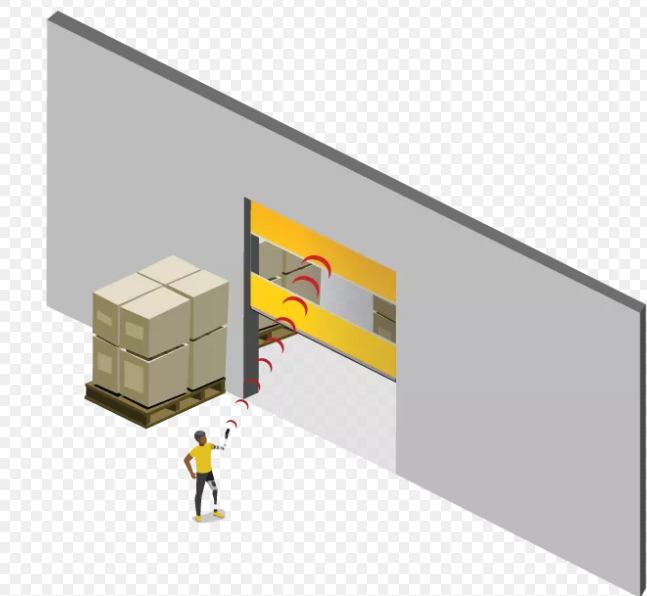
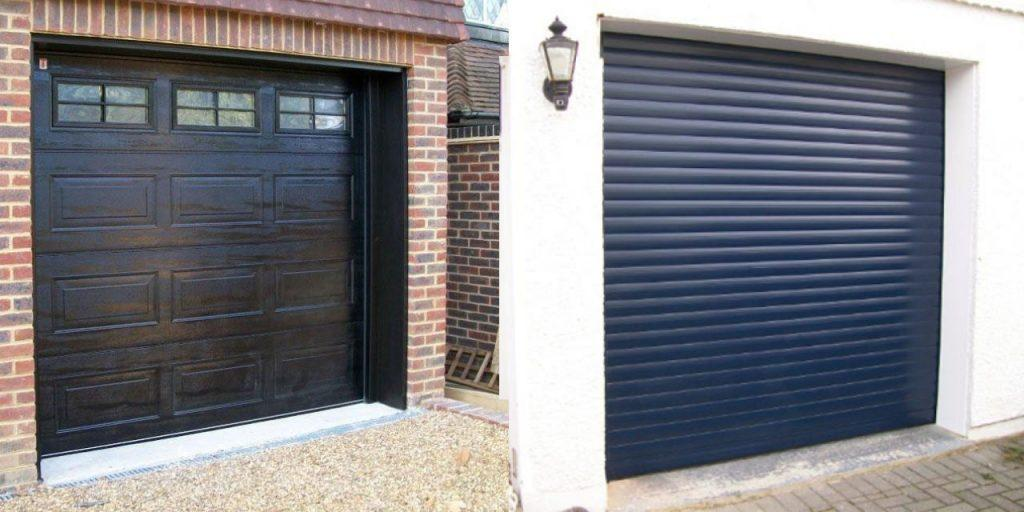
DINTER

How do I choose a Sensor for high speed doors?

Consider these key factors when choosing a sensor for high-speed doors:

  1. Response time: Opt for sensors with less than 50ms response time.
  2. Reliability: Look for sensors with a minimum MTBF (Mean Time Between Failures) of 50,000 hours.
  3. Safety features: Ensure sensors meet safety standards, such as EN 16005, to prevent accidents.
  4. Cost-effectiveness: Balance performance and cost to find the best solution for your budget and application.How do I choose a Sensor for high speed doors

Introduction to Sensors in High-Speed Doors

High-speed doors play an essential role in many industries, improving efficiency, safety, and security. Sensors, as a part of these systems, greatly contribute to their functionality.

Importance of Sensors in High-Speed Doors

Sensors are the critical components of high-speed doors that detect obstacles and ensure safety. They play an integral role in providing seamless operation, contributing to quicker response times and improved efficiency. Without sensors, the risk of accidents, door damage, and downtime increases significantly.

In terms of costs, investing in high-quality sensors can save businesses from costly repairs or replacements. While the upfront cost for a premium sensor can range from $200 to $500, it can save thousands of dollars in the long run by reducing the risk of damage to the door, goods, or potential harm to employees.

Furthermore, modern sensors offer innovative features such as remote monitoring and predictive maintenance, enabling businesses to minimize door downtime and enhance operational efficiency.

Purpose of the Guide

The purpose of this guide is to provide comprehensive information on the vital role sensors play in high-speed doors. It covers the types of sensors available, their specific advantages and disadvantages, the importance of proper sensor integration, and the considerations to bear in mind when choosing sensors. It aims to aid businesses in making informed decisions when investing in high-speed door sensors, ensuring they reap maximum benefits in terms of safety, efficiency, and cost-effectiveness.

Understanding High-Speed Doors

High-speed doors have emerged as an essential feature in various industries, offering unique advantages such as enhanced operational efficiency, safety, and climate control.

What are High-Speed Doors?

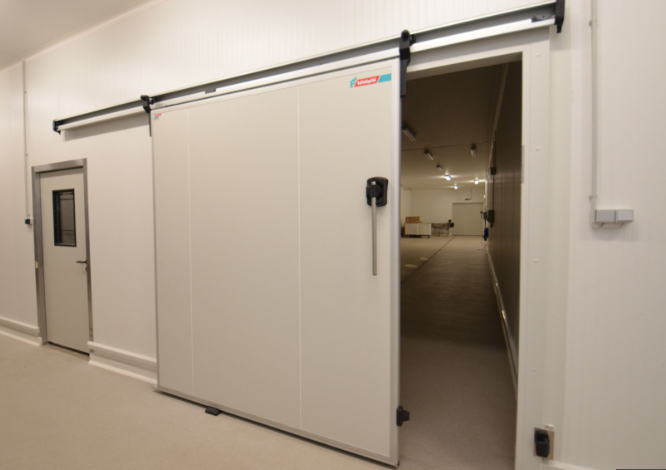
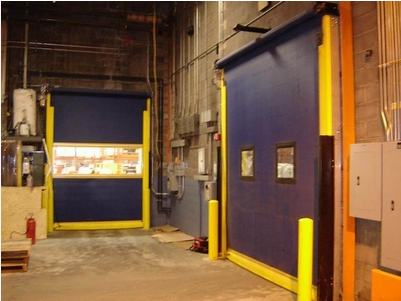
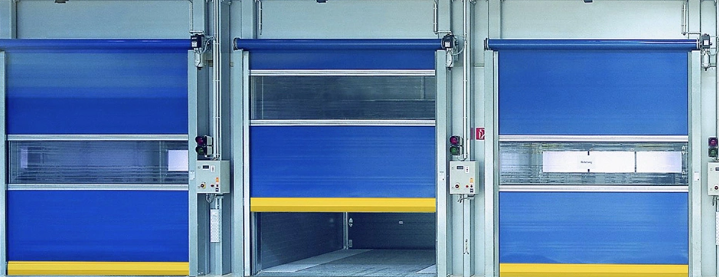
High-speed doors, as the name suggests, are doors designed to open and close rapidly – typically in less than 2-3 seconds. These doors are often found in industrial and commercial facilities, including warehouses, large-scale manufacturing plants, and cold storage units. Made with robust materials like PVC or metal, high-speed doors come in various sizes, with the typical dimensions ranging from 3m x 3m to 6m x 6m. For more comprehensive information, you can visit the Wikipedia page.

Advantages of High-Speed Doors

High-speed doors offer numerous advantages. First and foremost, their rapid opening and closing time enhances operational efficiency by reducing wait times. Moreover, they aid in temperature control, crucial for industries like food processing or pharmaceuticals, where maintaining a specific temperature is vital.

Secondly, these doors minimize energy loss, contributing to lower utility bills. For instance, compared to standard doors, high-speed doors can save up to 20% on energy costs annually.

Finally, when equipped with sensors, high-speed doors enhance safety measures by preventing accidental closures when obstructions are detected.

Key Components of High-Speed Doors

High-speed doors are composed of several key components:

  1. Door Panel: This is the main section of the door, usually made from durable materials such as PVC or metal. The thickness of the door panel varies based on the application but typically ranges from 1 to 3mm.
  2. Door Frame: The door frame supports the door panel, providing the necessary stability and strength. It’s usually made from sturdy materials such as steel or aluminum.
  3. Motor: The motor drives the opening and closing of the high-speed door. The power of the motor can vary based on the size of the door, with typical motors ranging from 1 to 3 horsepower.
  4. Sensors: As discussed previously, sensors are an essential part of high-speed doors. They ensure safety and efficiency by detecting obstructions and triggering the door to stop or reverse.
  5. Control System: This component allows the user to control the door’s operation. It may include features such as an emergency stop, automatic closing timer, and manual control option.

What Sensors Are Used in Automatic Doors

Sensor Requirements for High-Speed Doors

The sensors integrated into high-speed doors play an integral part in their operation, necessitating a careful selection based on factors such as speed and response time, environmental considerations, and safety features.

Speed and Response Time

For high-speed doors, the sensor’s response time is critical. It’s the determining factor of how quickly a door can stop or reverse upon detecting an obstruction. The sensor’s response time typically falls within the range of 50-200 milliseconds. This quick response is crucial in preventing accidents and ensuring efficient operation.

Environmental Considerations

Given that high-speed doors may be installed in a wide range of environments, sensors must be capable of withstanding diverse conditions. Whether it’s a cold storage facility with temperatures down to -25°C, a hot and humid warehouse reaching up to 40°C, or even an outdoor installation subject to rain, snow, and dust, sensors need to perform reliably. Therefore, the chosen sensor should have an IP (Ingress Protection) rating suitable for the specific environment, with IP67 and IP65 being common for harsh and general environments, respectively.

Safety Features and Standards

Safety is paramount when it comes to high-speed doors. Therefore, sensors should comply with safety standards such as the ANSI/UL 325 standard for door safety in the United States. In Europe, sensors should adhere to the EN 12453 safety standard.

One crucial safety feature to look for is the sensor’s ability to detect not just large objects but also small and thin items, down to a few millimeters in size. This sensitivity can prevent injuries and damage to smaller objects that may accidentally end up in the door’s path.

Types of Sensors for High-Speed Doors

There are several types of sensors suitable for high-speed doors, each with its own set of benefits and limitations. This section will delve into the specifics of various sensor types, including inductive loop sensors, photoelectric sensors, microwave radar sensors, ultrasonic sensors, and infrared sensors.

Inductive Loop Sensors

Inductive loop sensors work on the principle of induction. They are typically embedded in the ground and can detect large metal objects such as vehicles. These sensors are perfect for high-speed doors in parking garages or warehouses where the primary traffic is vehicles. However, their cost is on the higher end, ranging from $150 to $300. They are also more complicated to install as they require a cut into the ground.

Photoelectric Sensors

Photoelectric sensors use light beams to detect objects. When the beam is interrupted, the sensor sends a signal to the door controller to stop or reverse. These sensors are generally affordable, with prices ranging from $50 to $150. They are reliable and easy to install but can be affected by dust, fog, or intense light, which might lead to false detections.

Microwave Radar Sensors

Microwave radar sensors emit microwave pulses and then measure the reflection off an object to detect its presence. They are especially effective for high-speed doors in outdoor applications because they are less affected by weather conditions. These sensors are priced between $100 and $250. However, their sensitivity to moving objects can lead to false detections if not correctly adjusted.

Ultrasonic Sensors

Ultrasonic sensors utilize sound waves to detect objects. They are excellent for detecting both metallic and non-metallic objects, making them versatile for various high-speed door applications. Ultrasonic sensors are relatively affordable, with a typical price range of $60 to $200. They do have a limitation: sound waves can be affected by wind or temperature variations, which might cause inaccuracies.

Infrared Sensors

Infrared sensors function by emitting infrared light and measuring the reflection to detect objects. They are useful in indoor applications and can detect a wide range of objects. These sensors are priced between $50 and $200. However, they can be affected by intense light, heat sources, or reflective surfaces, which might cause false detections.


Sensor Integration with High-Speed Doors

Effective integration of sensors with high-speed doors requires thoughtful planning and execution. This section discusses critical factors to consider, such as choosing between wired and wireless sensors, ensuring proper synchronization and coordination, and accurately placing and aligning sensors.

Wired vs. Wireless Sensors

Both wired and wireless sensors have their unique advantages and challenges. Wired sensors typically offer more reliable signal transmission and do not rely on batteries. However, their installation can be more labor-intensive and potentially more expensive, with costs ranging from $100 to $500 for a professional setup, depending on the complexity and length of the wiring involved.

Wireless sensors, on the other hand, are easier to install, which reduces initial setup costs, making them a more affordable option ranging from $50 to $200. However, they depend on batteries, which adds to their maintenance requirements. Wireless sensors also need a stable and interference-free wireless network to function effectively.

Synchronization and Coordination

Proper synchronization and coordination between sensors and the high-speed door control system are crucial to ensure smooth operation. This involves aligning the sensor’s detection capabilities with the door’s speed and timing to ensure that the door responds promptly to the sensor’s signal. Depending on the door’s size and speed, this may require adjustments to the sensor’s settings, which a professional installer should handle.

Sensor Placement and Alignment

Accurate placement and alignment of sensors are crucial to ensuring they function as intended. Incorrect placement can lead to false detections or, worse, failing to detect an object, leading to potential accidents. The sensor should be placed so its detection range covers the entire door opening. Moreover, in the case of beam-type sensors (like photoelectric or infrared), alignment of the transmitter and receiver is essential for reliable detection.

The cost of a professional sensor placement and alignment service can range from $100 to $300, but it ensures optimal performance and safety of the high-speed door.

What is the purpose of a sensor in a high-speed door?

A sensor in a high-speed door detects objects or movement near the door and triggers its opening or closing, ensuring smooth and efficient operation.

Which sensor type is best suited for high-speed doors?

The best sensor type depends on specific requirements, but infrared and radar sensors are commonly used for high-speed doors due to their speed and accuracy.Can I use a standard sensor for a high-speed door?

Can I use a standard sensor for a high-speed door?

Using standard sensors is not recommended, as they may not have the necessary speed and responsiveness for high-speed door applications.

How important is the response time of the sensor?

Response time is critical for high-speed doors, as a quick detection and reaction time are necessary to avoid collisions and ensure safety.

What safety features should I look for in a high-speed door sensor?

Emergency stop functionality, presence detection, and obstacle detection are essential safety features for high-speed door sensors.

Are high-speed door sensors weather-resistant?

Not all sensors are weather-resistant, so it's crucial to choose sensors specifically designed to withstand environmental conditions like rain, snow, or extreme temperatures.

Can I integrate the sensor with my existing door automation system?

Yes, many high-speed door sensors are designed for easy integration with existing automation systems.

How do I maintain the sensor for optimal performance?

Regularly inspect the sensor for dirt or damage, and follow the manufacturer's maintenance guidelines to ensure its continued reliability.
How do I choose a Sensor for high speed doors

Is a sectional garage door more expensive than a roller door?

In general, sectional garage doors tend to be more expensive than roller doors. This is because sectional doors are made up of multiple panels, which offer better insulation and aesthetics, while roller doors consist of a single sheet of material. The additional features and construction complexity of sectional doors contribute to their higher cost compared to simpler roller doors.

Is a sectional garage door more expensive than a roller door

Introduction of Sectional Garage Door

Sectional garage doors, as the name implies, are made up of individual sections rather than a single panel. This design not only enhances the aesthetic appeal but also improves the functionality of these doors.

Brief Description of Sectional Garage Door

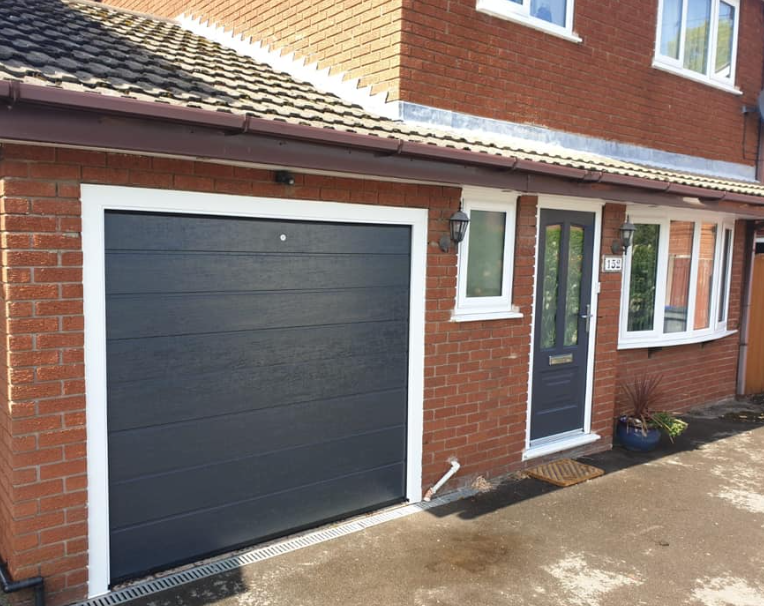
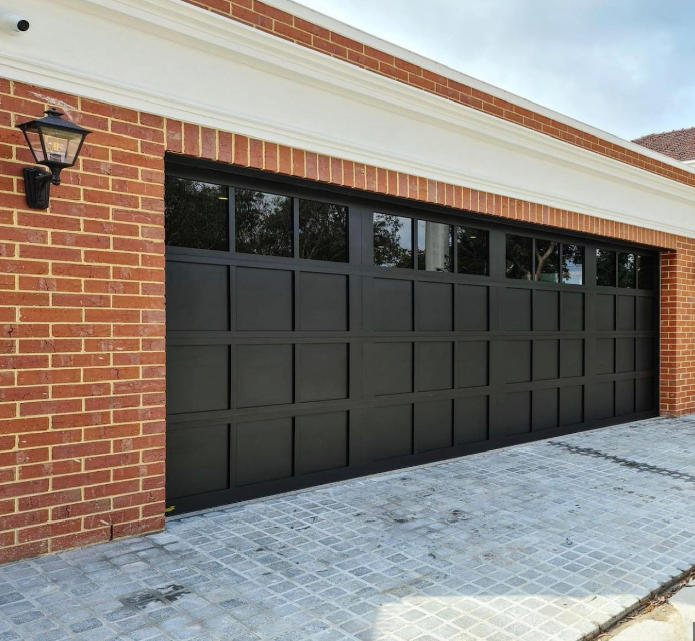
A sectional garage door is composed of four or five horizontal panels, hinged together, that slide up and over into the garage when the door is opened. These doors are mostly made of steel, but they can also be found in materials like aluminum, wood, or fiberglass.

The standard sizes of sectional garage doors are typically 8 to 20 feet in width and 7 to 8 feet in height, but can be customized to fit any garage opening. They can come with or without windows and can also be insulated to improve energy efficiency.

One of the significant advantages of sectional garage doors is that they do not require any space outside of the garage to open, a feature that makes them perfect for short driveways.

Purpose and Importance of Sectional Garage Door

They are incredibly secure due to their construction and operation method, which makes it difficult for intruders to force them open.

In terms of thermal efficiency, the sectional design allows for effective insulation. This can help regulate the temperature inside the garage, which can be beneficial if you use your garage as a workspace or if it shares a wall with a room in your home.

Understanding Different Types of Garage Doors

Garage doors come in a variety of styles, each offering unique design elements and benefits. Two of the most popular types are sectional garage doors and roller garage doors.

The Sectional Garage Door

Design and Functionality

Sectional garage doors consist of several horizontal panels or sections that are hinged together. This design allows the door to open vertically, without swinging out, making it a great choice for driveways with limited space. Each panel is equipped with a set of rollers that slide within a track, enabling smooth operation.

Sectional garage doors can be customized to include windows, insulation, and various types of hardware. They come in a range of standard sizes, but can also be custom-made to fit any garage opening.

Materials and Manufacturing

Steel doors can be either single layer, double layer (steel + insulation), or triple layer (steel + insulation + steel). Triple-layer doors offer the highest level of energy efficiency and noise reduction.

Depending on the material and insulation type, a sectional garage door can cost anywhere from $750 to over $3500. Installation costs are separate and can range from $200 to $500.

The Roller Garage Door

Design and Functionality

Roller garage doors operate quite differently from sectional doors. This design also makes it a good choice for spaces with limited driveway or headroom.

Materials and Manufacturing

Roller garage doors are typically made from corrugated steel or aluminum, which adds strength to the door and allows it to roll smoothly. Some doors also come with insulation to improve thermal efficiency.

The cost of a roller garage door varies significantly depending on the material, size, and additional features. Prices can range from $600 for a basic model to over $2000 for a high-end, insulated, and automated door. Installation costs are also separate and can vary depending on the complexity of the installation.

Like sectional doors, roller garage doors require regular maintenance to ensure their longevity, which is typically between 10 and 20 years.

Cost Factors of Garage Doors

The cost of a garage door can significantly vary depending on various factors. Among the most important cost factors are the material, production and manufacturing, and installation labor costs.

Material Costs

The choice of material greatly impacts the overall cost of a garage door. Steel doors are often the most affordable option, with prices ranging from $750 to $3000, depending on size and style. Aluminum doors tend to be slightly more expensive due to their rust-resistant nature, typically costing between $1500 and $2500.

Fiberglass and composite wood doors are in the middle of the price range, costing anywhere from $1500 to $3000.

Production and Manufacturing Costs

Production and manufacturing costs also play a significant role in determining the overall cost of a garage door. These costs include the processes of designing, cutting, assembling, and finishing the door.

For instance, a door with a more complex design or intricate details will require more time and skill to produce, hence costing more. High-end models with additional features, like insulation, windows, or special hardware, will also have higher manufacturing costs due to the extra materials and production steps involved.

Installation and Labor Costs

The costs associated with installing a garage door can also add significantly to the total cost. Installation costs can range from $200 to $500, depending on the complexity of the project.

Labor costs can vary depending on the amount of time it takes to install the door, the experience of the installer, and the region in which you live. Higher-end doors or doors with complex mechanisms might require professional installers with specialized skills, hence higher labor costs.


Comparative Analysis: Sectional Garage Doors Vs Roller Doors

Cost Analysis

Sectional Garage Door Costs

Sectional garage doors are typically more expensive due to their complex design and construction. The price can range from $750 to $3500, based on size, material, and added features such as insulation or windows. Installation costs are additional and can range from $200 to $500.

Roller Garage Door Costs

Roller doors, on the other hand, tend to be more affordable, with prices typically ranging from $600 to $2000. These doors are less complex but still offer excellent functionality. The installation cost for roller doors can also be lower, ranging from $100 to $350, due to the less complicated installation process.

Durability Comparison

When it comes to durability, both types of doors offer long-term value, but with proper maintenance, sectional doors typically last longer. A well-maintained sectional door can last between 15 to 30 years, while roller doors usually last between 10 to 20 years.

Maintenance and Repair Costs Comparison

Maintenance and repair costs can also vary between these two types of doors. Sectional doors, due to their complex mechanism, might require more frequent check-ups to ensure that all parts, especially the springs and the hinges, are in good working order.

The average cost for a garage door repair service can range from $125 to $290, depending on the complexity of the repair. Sectional doors might fall on the higher end of this range due to the number of components involved.

What is a sectional garage door?

A sectional garage door is a type of door composed of multiple horizontal panels that open vertically, offering various design options and better insulation.

What is a roller door?

A roller door is a garage door made of a single sheet of material that rolls up and down around a drum-like structure when opening and closing.

Why are sectional garage doors more expensive?

Sectional garage doors tend to be more expensive due to their complex construction, multiple panels, and additional features, such as insulation and decorative options.

Are roller doors less durable than sectional doors?

Both sectional and roller doors can be durable, but sectional doors may have an advantage in strength due to their construction with multiple panels.

Which type of garage door is easier to maintain?

Roller doors are generally easier to maintain as they have fewer moving parts and a simpler design.

Do sectional garage doors provide better security?

Sectional doors can offer better security due to their sturdy multi-panel construction, making them more difficult to breach compared to roller doors.

Can roller doors be insulated?

While some roller doors come with insulation options, they may not provide the same level of insulation as sectional doors with dedicated insulation layers.

Which type of garage door is more popular?

The popularity of sectional and roller doors varies by region and personal preference. Both types have their advantages and are commonly used in residential and commercial settings.
Is a sectional garage door more expensive than a roller door

What are the equipment used for loading?

The equipment used for loading includes various tools and machinery such as forklifts, pallet jacks, loading ramps, cranes, and conveyor belts. These essential tools facilitate the process of loading goods and materials onto trucks, ships, or other transportation vehicles efficiently and safely.

What are the equipment used for loading

Introduction

 Importance of Efficient Loading Processes

Efficient loading processes are crucial in the material handling industry for several reasons:

  1. Cost-Effectiveness: The most efficient processes help reduce the overall operational costs. For instance, an optimized process can cut the loading time by 20%, resulting in a direct reduction in labor costs.
  2. Time-Saving: With an efficient loading process, you can significantly reduce the time taken for loading and unloading materials, thereby increasing the overall productivity of your operations.
  3. Safety: Proper loading procedures also ensure the safety of the workers and the cargo. According to the Occupational Safety and Health Administration (OSHA), a substantial number of accidents in warehouses and factories are due to incorrect loading and unloading procedures.
  4. Type Machinery Loading

 Overview of Loading Equipment for Material Handling

1. Manual Loading Equipment

Manual loading equipment is the most affordable option, with prices ranging from $100 to $500. This category includes equipment such as hand trucks, pallet jacks, and carts. They are typically suitable for loads up to 500 pounds. Their average lifespan is around 5-7 years with proper maintenance.

2. Powered Loading Equipment

Powered loading equipment includes forklifts, cranes, and conveyors. These are higher-end equipment with prices typically ranging from $15,000 for a basic forklift to over $100,000 for advanced crane systems. These machines can handle loads from 1,000 to over 30,000 pounds. Their average lifespan is typically 10-15 years, depending on usage and maintenance.

a. Forklifts

Forklifts are among the most versatile pieces of equipment in material handling. They can lift and transport loads of up to 30,000 pounds depending on the model. An entry-level forklift costs around $15,000 while a high-end model may cost over $100,000. Their main advantages are versatility and efficiency, but they require skilled operators and regular maintenance.

b. Cranes

Their price ranges greatly based on their size and capacity, from $100,000 to millions of dollars for large tower cranes. Cranes can lift up to several tons and their lifespan is around 20-30 years with proper maintenance.

c. Conveyors

Conveyors are often used in warehouses for moving goods efficiently across large distances. The price of a basic conveyor system starts at around $5,000. They are capable of handling large volumes of goods with minimal manual labor, reducing the risk of injuries and improving efficiency. However, they require regular maintenance to ensure their longevity, which is typically around 10-15 years.

Forklifts: Versatile Load Carriers

Types of Forklifts and Their Applications

Forklifts come in various types, each designed for specific uses.

Counterbalance Forklifts

The most common type, counterbalance forklifts, are used in many warehouses. These forklifts are straightforward to operate, with forks at the front and a counterbalance weight at the back to balance the load. Prices typically range from $20,000 to $40,000.

 Reach Forklifts

Reach forklifts are designed for height. They are best used in warehouses with high shelving, and they can reach up to 10m. Their cost is slightly higher than counterbalance forklifts, with prices typically between $30,000 to $50,000.

Telescopic Handler Forklifts

Telescopic handler forklifts are ideal for outdoor construction sites due to their rugged design and high lifting capacity. They come with various attachments like buckets and lift tables. Their prices can range anywhere from $50,000 to $100,000.

 Industrial Forklifts

Industrial forklifts or heavy-duty forklifts can lift up to 50,000 pounds and are perfect for larger outdoor operations like lumberyards or heavy equipment manufacturing facilities. Their prices start from around $80,000.

Forklift Load Capacities and Safety Considerations

The load capacity of a forklift refers to the maximum weight a particular model can safely lift. It is crucial to know your forklift’s load capacity to ensure safety and efficiency in the workplace.

  1. Small Forklifts: Small forklifts, like pallet jacks or stackers, have a load capacity between 2,000 and 5,000 pounds. They are used for small warehouses and light-duty work.
  2. Medium Forklifts: Medium forklifts, including most counterbalance and reach forklifts, can handle loads between 5,000 and 12,000 pounds. They are used in larger warehouses and manufacturing facilities.
  3. Large Forklifts: Large forklifts, such as telescopic handlers and industrial forklifts, can lift loads up to 50,000 pounds. They are often used in heavy industry and outdoor sites.

Safety is paramount when using any forklift. Operators should always be trained and certified to ensure they understand how to operate the machinery correctly. According to OSHA guidelines, operators should never exceed the recommended load capacity, always secure the load correctly, and maintain a safe speed to prevent accidents. Regular maintenance and safety inspections are also crucial to ensure the forklift’s lifespan, typically around 10,000 hours or approximately 5-7 years of regular use.

Conveyor Systems: Efficient Bulk Material Transport

 Types of Conveyors for Loading Operations

Conveyor systems vary greatly in their design, capacity, and cost.

Belt Conveyors

Belt conveyors are typically used for transporting both solid and loose materials over short to medium distances. Their cost can range between $1,000 for the most basic models to over $100,000 for larger, more complex systems.

Roller Conveyors

Roller conveyors are ideal for stable items of various sizes and shapes. They are relatively inexpensive, with prices typically starting at around $500 for a basic setup.

Chain Conveyors

Chain conveyors are used for heavy-duty applications and can transport large, heavy items. They are more expensive, with prices usually starting at around $10,000.

Screw Conveyors

Screw conveyors are perfect for moving granular or liquid materials. Their prices can range from $2,500 to $10,000, depending on the length and capacity.

Equipment for loading and unloading goods

Advantages and Key Applications of Conveyors

Their primary advantages include:

  1. Efficiency: Conveyors can move large volumes of material quickly, making them highly efficient for bulk material handling.
  2. Flexibility: With various types and configurations available, conveyors can be customized to fit almost any application.
  3. Safety: By automating the transport process, conveyors reduce the need for manual lifting, thereby enhancing workplace safety.

 Conveyor Maintenance and Safety Tips

Proper maintenance is crucial for the safe and efficient operation of conveyor systems. Here are some essential tips:

  1. Regular Inspection: Regularly inspect your conveyor for any signs of wear and tear. This includes checking the belts for any damage and making sure the rollers are turning smoothly.
  2. Proper Cleaning: Keep your conveyors clean to prevent material build-up, which can cause the system to work harder and potentially lead to breakdowns.
  3. Scheduled Maintenance: Schedule regular maintenance checks.

Loading Ramps: Bridging the Gap for Smooth Loading

Portable Loading Ramps for Mobility

Portable loading ramps offer the convenience of easy transportation and setup. They are usually made from lightweight yet durable materials like aluminum and have a load capacity ranging from 500 to 5,000 pounds. With prices typically ranging from $200 to $2,000, these ramps offer excellent mobility for loading operations in various locations.

Key features of portable loading ramps include:

Mobility and Flexibility

Portable loading ramps can be moved easily, providing flexibility in where they are deployed. This is especially useful for businesses with multiple loading locations or those that frequently change their setup.

Easy Setup

Most portable loading ramps can be set up within minutes and do not require any special tools or training. This makes them convenient for on-demand usage.

Stationary Loading Ramps for Fixed Locations

Prices can vary widely based on size and capacity, but most fall within the $2,000 to $10,000 range.

Key features of stationary loading ramps include:

High Capacity

Stationary ramps can support larger loads compared to portable ramps. This makes them ideal for heavy-duty loading operations.

Durability

With proper maintenance, they can last for decades.

Ideal Applications for Loading Ramps

Loading ramps, whether portable or stationary, are crucial for various applications. Here are some ideal uses for loading ramps:

  1. Warehousing: Loading ramps can bridge the gap between loading docks and trucks, allowing forklifts to move goods easily.
  2. Construction Sites: On construction sites, ramps can facilitate the loading and unloading of heavy construction equipment.
  3. Retail Operations: In retail environments, portable ramps can help load goods into delivery vehicles.


Automated Loading Systems: Enhancing Productivity and Precision

Automated loading systems, which incorporate cutting-edge robotics, advanced vision and sensing technologies, and seamless integration with Warehouse Management Systems (WMS), are revolutionizing the logistics industry. These systems increase productivity, reduce manual labor, and deliver unparalleled precision in handling a wide variety of materials.

Robotic Loading Systems: Efficient and Automated Loading

Rapid advancements in robotics have given birth to robotic loading systems that can work continuously 24 hours a day, 365 days a year, without fatigue. These systems can handle loads up to 1000 kg, with positioning accuracy of +/- 0.1 mm, thus ensuring precision and reducing the chances of product damage.

While the upfront cost can range from $50,000 to $80,000 depending on the complexity, size, and customization of the system, the benefits of increased productivity, reduced labor costs, and minimized errors typically result in an ROI period of 18 to 24 months.

Vision and Sensing Technologies in Robotic Loading

Modern robotic loading systems incorporate advanced vision and sensing technologies, such as 3D vision systems and proximity sensors. These systems allow robots to ‘see’ and ‘sense’, enhancing their ability to handle a variety of objects, navigate within the warehouse, and even adapt to changes in real time.

A high-end 3D vision system may add approximately $20,000 to the cost of a robotic loading system, but it increases the system’s versatility and reduces the need for manual supervision. This technology typically has a lifespan of 5 to 7 years before major upgrades are necessary.

Integration with Warehouse Management Systems

Integrating automated loading systems with Warehouse Management Systems (WMS) can further optimize warehouse operations. The integration enables real-time data exchange, allowing the robots to respond promptly to changes in inventory, orders, and delivery schedules.

Depending on the complexity of the WMS and the level of integration required, the cost for this integration can range from $10,000 to $25,000.

What is a forklift, and how is it used in loading operations?

A forklift is a powered industrial truck equipped with fork-like prongs used to lift and move heavy loads within warehouses, factories, and loading areas.

What are pallet jacks, and what is their primary function in loading operations?

Pallet jacks, also known as pallet trucks, are manual or electric devices designed to lift and move palletized loads over short distances.

How does a conveyor belt assist in loading processes?

Conveyor belts are used to transport materials or goods continuously from one location to another, facilitating efficient loading onto trucks, ships, or storage areas.

What are loading docks, and why are they crucial for loading operations?

Loading docks are elevated platforms or areas where vehicles are positioned for loading and unloading, ensuring safe and convenient transfer of goods between the vehicle and the facility.

What role do loading ramps play in loading equipment?

Loading ramps are inclined surfaces or bridges that allow for smoother and easier movement of goods between different heights, such as from ground level to a truck bed.

How do pallet inverters contribute to loading processes?

Pallet inverters are machines designed to rotate pallets and their loads, enabling efficient handling of goods, especially in situations where pallets need to be replaced or loaded onto specific equipment.

What is the function of a loading crane in various loading scenarios?

Loading cranes, such as overhead cranes and mobile cranes, are used to lift and position heavy or bulky items onto trucks, ships, or other transport vehicles.

How are loading platforms used in loading operations, and what are their benefits?

Loading platforms are raised surfaces with adjustable heights that aid in loading goods into containers or vehicles, reducing physical strain on workers and expediting loading processes.
What are the equipment used for loading

What type of garage door is sectional?

A sectional garage door is a type of garage door that is made up of multiple horizontal panels that are hinged together. When the door is opened, the panels move vertically along tracks, folding neatly into the overhead space. This design allows for efficient use of space and provides a convenient and secure option for garage access.

What type of garage door is sectional

Introduction of Sectional Garage Door

Definition of Sectional Garage Door

A Sectional Garage Door is a type of garage door that opens and closes in separated individual panel sections, unlike the more common single panel garage doors that require more space for operation.

Detailed Specifications
  • Height: Standard heights range from 6 to 8 feet, although custom sizes are also available.
  • Width: Widths can range anywhere from 8 to 20 feet depending on the manufacturer and model.
  • Material: Predominantly made from galvanized steel. However, aluminum, wood, and vinyl can also be used.
  • Lifespan: Under proper care, these doors can last anywhere from 15 to 30 years.

Advantages of Sectional Garage Doors

Sectional Garage Doors offer several key benefits over traditional swing-out doors.

Space Efficiency

Sectional garage doors operate vertically, which means they do not require any space outside of the garage to open or close. This provides a major advantage for homes with a short driveway or those located on busy streets.

High Durability

Constructed from several horizontal panels, sectional doors are more resistant to damage. Even if one panel gets damaged, it can be replaced without needing to replace the entire door. This contributes to their overall lifespan, which can be as long as 30 years with proper care and maintenance.

Enhanced Security

Sectional garage doors are typically more secure than other types of garage doors due to their construction and operating mechanism. Each section of the door is connected to the door track, which provides added strength and security.

Cost-Effectiveness

While the upfront cost of a sectional garage door might be higher than single panel doors, in the long run, they can prove to be more cost-effective. They typically require less maintenance and have a longer lifespan.

Here is a summary of the key points:

Factor Sectional Garage Door
Cost Higher upfront cost but lower maintenance costs
Lifespan 15 – 30 years
Space Efficiency Very high
Durability High
Security Enhanced

Construction and Design Features

Panel Configuration and Materials

Panel configuration and materials determine the functionality, aesthetics, and longevity of your garage door.

Wood Garage Doors

Wood garage doors add a luxurious, vintage appeal to your property. They’re typically made of high-quality cedar, mahogany, or redwood. The price range for a wood garage door can vary significantly depending on size and type of wood, with prices ranging from $1,200 to $4,000 for standard sizes (e.g., 9 feet wide by 7 feet tall). One downside is the maintenance; wood doors require regular repainting or staining to maintain their appearance and prevent rot.

Steel Garage Doors

Steel garage doors are a popular choice due to their durability and relatively lower cost, starting around $750 for a standard size. These doors can resist the elements better than wood but may be prone to dents. Steel doors often come with a layer of polyurethane or polystyrene insulation, improving the energy efficiency of your garage.

Aluminum Garage Doors

Aluminum garage doors offer the same benefits as steel, but are lighter and less prone to rust. Prices are similar to steel, with an average cost around $800 to $1,200 for a standard size door. The lightweight nature of aluminum can make it more susceptible to damage, though.

Composite Garage Doors

Composite garage doors use a steel core and a faux wood exterior to offer the benefits of both. These doors require less maintenance than wood and are more resistant to dents than steel. Prices for composite doors start around $1,200 for standard sizes.

Track System and Hardware Components

A garage door’s track system and hardware components play crucial roles in its operation and longevity.

Standard Lift Track Systems

This is the most common track system for residential garage doors, designed for a standard 8 feet ceiling height. These cost around $150 to $250 depending on the quality and brand.

Vertical Lift Track Systems

These are used in commercial settings where the door needs to lift straight up. Vertical lift systems are more expensive than standard systems, typically costing $200 to $350.

High Lift Track Systems

High lift systems combine the features of standard and vertical lift systems. They’re most often used in residential settings with high ceilings. These systems generally cost $350 to $500.

Sectional Garage Doors | Steel

Rollers

Garage door rollers are the small wheels that run along the track of the door. They come in three main types: plastic, steel, and nylon. Nylon rollers are the quietest and longest lasting, with a lifespan of around 12-15 years. They’re also the most expensive, costing about $15 per roller.

Insulation Options for Sectional Garage Doors

Insulation can help keep your garage temperature regulated and your energy costs down.

Polystyrene Insulation

Polystyrene is a cheaper insulation option, adding about $50 to $100 to the price of a garage door. It provides a moderate level of insulation, with an R-value (thermal resistance) typically between R-5 to R-8.

Polyurethane Insulation

Polyurethane insulation offers the highest level of thermal efficiency, with R-values up to R-18. This material is more expensive, typically adding $100 to $200 to the price of a garage door.

Window and Decorative Element Variations

Garage door windows and decorative elements add aesthetic appeal and natural light.

Window Options

Garage door windows can come in a variety of styles, shapes, and materials. Clear glass, frosted glass, tinted glass, and even acrylic or polycarbonate options are available. Depending on the style and material, windows can add $100 to $500 to the price of a garage door.

Decorative Elements

From hardware additions like handles and hinges to design elements like patterns and paneling, there are many ways to enhance the aesthetic of your garage door. Prices for decorative elements can vary significantly, from $20 for simple accents to $200 for high-end, custom elements.

Operation Mechanisms

Garage doors have several different types of operation mechanisms. Two of the most common are manual and automatic.

Manual Sectional Garage Doors

Manual sectional garage doors are the simplest type of garage door and generally the most cost-effective. Prices start from as low as $300 for standard sizes. They operate using a torsion spring system, which counterbalances the weight of the door to make it easy to lift by hand. Maintenance tends to be straightforward, usually requiring only regular lubrication of the moving parts.

However, the downside is the physical effort required to open and close the door. This can be inconvenient in bad weather or if you frequently enter and exit your garage.

Automatic Sectional Garage Doors

Automatic doors are also typically safer as they feature an auto-reverse function that prevents the door from closing on objects or people in its path.

Comparison with Other Garage Door Types

There are a few other types of garage doors, and it’s worth comparing their features and costs to those of sectional garage doors.

Roll-Up Garage Doors

These doors are robust and ideal for commercial settings or homes in hurricane-prone areas. However, they are generally more expensive, with prices starting around $750 for residential models and up to $2,500 for commercial grade doors.

Swing Out Garage Doors

Also known as carriage doors, swing-out doors open outwards from the center. They can be a charming addition to a home, especially for those seeking a traditional or country aesthetic. Prices for swing-out doors start around $1,500. However, they require more clearance to open and close compared to sectional or roll-up doors, making them unsuitable for compact driveways.

Sliding Garage Doors

Sliding garage doors move horizontally along a track to open and close. They can be made from various materials, including wood, steel, and aluminum. The cost for sliding doors can range from $600 to $1,300 depending on the size and material. Sliding doors require enough wall space on one or both sides of the opening to accommodate the door when it’s open, which may limit their applicability for some homeowners.

Cost Factors and Budget Considerations

Initial Investment vs. Long-Term Savings

Purchasing a garage door is an investment. While there’s an upfront cost, a quality garage door can provide long-term savings in various ways.

Upfront Costs

The upfront costs of a garage door include the price of the door itself, which can range from $300 for a basic manual model to over $4,000 for a high-end automatic model. Additionally, professional installation typically costs between $200 and $500, depending on your location and the complexity of the install.

Energy Savings

Garage doors with proper insulation can lead to significant energy savings over time. An insulated door helps maintain a stable temperature in the garage, reducing the load on your home’s heating and cooling system. A polyurethane-insulated door, for instance, can add about $100-$200 to the upfront cost of the door, but the savings in energy costs can more than offset this additional expense over the door’s lifetime, especially in regions with extreme climates.

Maintenance Costs

Higher quality doors often come with a higher price tag, but they can also save you money in the long run by requiring less maintenance and repairs. For example, a steel or composite door might cost $200-$400 more than a basic wooden door, but wood requires regular repainting or refinishing that can add up to $50-$100 per year.

Factors Affecting Sectional Garage Door Prices

Several factors can influence the price of a sectional garage door, including:

Material

The material of the door is a significant factor. Wood, though attractive, is usually the most expensive material. Steel and aluminum are more affordable, with composite falling somewhere in between.

Insulation

The level of insulation you choose will affect the cost. Higher R-value insulation provides better energy efficiency but is more expensive.

Size

The size of the garage door will directly impact the cost. Larger doors require more material and therefore cost more. A standard single car garage door is about 8-9 feet wide and 7-8 feet tall, while a double car garage door is typically 16 feet wide.


Customization

Custom features like windows, decorative elements, and custom colors or finishes can add to the cost. For instance, adding windows can increase the price by $100 to $500.

Automation

Choosing an automatic garage door will add the cost of the garage door opener, which ranges from $150 to $300.

Installation

Professional installation costs vary depending on your location and the complexity of the job, but typically range from $200 to $500. Installation of an automatic door might be more expensive due to the additional labor involved in setting up the door opener.

Safety Measures for Manual Operation

Operating a manual garage door requires careful attention to safety. Here are a few key safety measures:

Proper Maintenance

Regular maintenance is crucial. This includes lubricating moving parts and regularly checking the door’s balance. A well-maintained door is less likely to stick or drop unexpectedly, which could cause injury. The cost of maintenance is relatively low, with lubricants costing around $10 per bottle.

Torsion Spring Safety

The torsion spring system in a manual door should always be in good condition. A failing spring can cause the door to fall rapidly, which can be extremely dangerous. Replacement springs typically cost around $50 to $100, and it’s recommended to replace them every 5-7 years.

Safety Cables

Safety cables can be installed to prevent a broken spring from flying loose and causing injury or damage. These cables usually cost less than $10 and provide an added level of safety.

Automated Systems and Safety Protocols

Automated garage doors come with built-in safety features that can further enhance the security of your property and protect users from injury.

Auto-Reverse Mechanism

It uses sensors to detect if an object or person is in the path of the door, and if detected, the door will automatically reverse direction. The cost of sensors ranges from $50 to $100.

Manual Release

In case of power outages or malfunctions, automatic garage doors have a manual release cord. This allows you to manually open or close the door in emergencies. Always check this feature during your regular maintenance.

Battery Backup

Some garage door openers offer battery backup systems. In case of a power outage, the backup kicks in, allowing the door to function normally. These systems add approximately $50 to $100 to the cost of a door opener.

Security Enhancements in Sectional Garage Doors

Security is a key consideration when choosing a garage door.

Locking Mechanisms

Most garage doors have integrated locking mechanisms. Manual doors often use a key, while automatic doors are typically locked and unlocked via the opener system. Advanced locking systems can be installed at an additional cost, usually between $100 to $300.

Smart Technology

Modern garage door openers often include smart technology features, such as Wi-Fi connectivity, allowing you to monitor and control your garage door from anywhere using a smartphone app. These smart garage door openers typically cost between $200 and $400.

Tamper-Resistant Brackets

Garage doors often use tamper-resistant brackets that prevent criminals from manually releasing the door from outside.

What is a sectional garage door?

A sectional garage door is a type of garage door composed of horizontal panels hinged together, facilitating vertical movement when opened.

How does a sectional garage door operate?

Sectional garage doors open by vertically lifting the hinged panels along tracks, folding them into the overhead space.

What are the advantages of sectional garage doors?

Sectional garage doors offer efficient space utilization, easy operation, and enhanced security compared to other door types.

Can sectional garage doors be automated?

Yes, sectional garage doors can be automated, allowing for remote-controlled operation.

What materials are sectional garage doors made of?

Sectional garage doors are commonly made from steel, aluminum, wood, or vinyl materials.

Are sectional garage doors customizable in size?

Yes, sectional garage doors come in various sizes, and they can be customized to fit specific garage dimensions.

How do I maintain a sectional garage door?

Regular maintenance includes lubricating moving parts, cleaning tracks, and inspecting for any damage or wear.

Are sectional garage doors energy-efficient?

Sectional garage doors with proper insulation can contribute to better energy efficiency in the garage space.
What type of garage door is sectional

How much does a high speed door cost?

The cost of a high-speed door can vary depending on the size, features, and brand. On average, a basic model may start around $1,500 to $3,000, while more advanced and larger doors can range from $5,000 to $10,000 or more. It is essential to obtain specific quotes from suppliers for accurate pricing.

How much does a high speed door cost

Introduction

What is a High-Speed Door?

A high-speed door, also known as a rapid door, is a type of door designed to open and close quickly. This is to ensure that the time taken for individuals or machinery to pass through is minimal, which is particularly beneficial in areas where there is high traffic or a requirement for temperature control. Typically, high-speed doors can open at a speed of 0.8 – 3.0 m/s, significantly faster than conventional doors.

Components and Specifications

High-speed doors typically comprise several key components: the curtain (which is the door itself), the frame (which supports the curtain), and the operating mechanism (which controls the opening and closing of the door). These doors come in various sizes and specifications, commonly ranging from 1m x 1m up to 6m x 6m.

Importance of High-Speed Doors in Commercial and Industrial Settings

High-speed doors play a crucial role in commercial and industrial settings. Their quick opening and closing rates minimize air infiltration, helping to maintain temperature control and prevent contaminants from entering a facility.

Cost-Efficiency and Return on Investment (ROI)

The initial cost of a high-speed door varies depending on its size, material, and specific features. Prices typically range from $2,000 for a basic model to over $7,000 for a premium, insulated model. Although high-speed doors come with a higher price tag than conventional doors, they offer a significant return on investment in the long run.

The speed and efficiency of these doors can save substantial amounts of energy, cutting heating and cooling costs by up to 30%. Additionally, their robust construction and quality materials can result in a lifespan of over 10 years with proper maintenance, reducing replacement and repair costs.

Here’s a brief comparison between high-speed doors and conventional doors in tabular form for easy reference:

High-Speed Doors Conventional Doors
Cost $2,000 – $7,000 $500 – $2,500
Speed (m/s) 0.8 – 3.0 0.1 – 0.5
Lifespan (years) 10+ 10+
Energy Efficiency High Low

Factors Affecting High-Speed Door Costs

When purchasing a high-speed door, the price can vary significantly based on several factors. Here we explore these factors in more detail to help you understand where your budget might be allocated.

Type of High-Speed Door

There are different types of high-speed doors available in the market, and each type has its pricing range. Roll-up doors, fold-up doors, and sliding doors are common types, and their costs can range from $2,000 to $5,000, $3,000 to $6,000, and $4,000 to $7,000, respectively. This variation in cost is often due to differences in complexity of the design, the mechanism involved, and the robustness of the door.

Size and Dimensions

The size of the high-speed door can significantly impact the cost. A smaller door (say, 1m x 1m) can cost as low as $2,000, while larger doors (up to 6m x 6m) can cost upwards of $7,000. This is because larger doors require more material and a more powerful operating mechanism to handle the increased weight and size.

Material and Construction

The type of material used in the construction of the high-speed door also impacts the cost. Doors made of PVC (polyvinyl chloride) are typically cheaper, with prices starting around $2,000. In contrast, doors made of more durable and heavy-duty materials like steel can start from $5,000.

Additional Features and Customization

Additional features and customization options can increase the cost of a high-speed door. Features such as advanced safety systems, higher insulation ratings, custom color or design, and integration with access control systems can increase the cost by $1,000 to $2,000 or more. Customization offers benefits like improved aesthetics, enhanced safety, and better integration with existing systems, but these come at an additional cost.

Here is a simple breakdown table for quick reference:

Factors Price Range
Type of Door $2,000 – $7,000
Size and Dimensions $2,000 – $7,000
Material and Construction $2,000 – $5,000+
Additional Features and Customization $1,000 – $2,000+

Types of High-Speed Doors and Their Cost Range

High-speed doors come in a variety of designs and styles. Each type has its unique features, advantages, and cost range. Let’s explore some common types.

Roll-Up High-Speed Doors

Roll-up high-speed doors are among the most common types of high-speed doors. As their name suggests, they open by rolling up in a circular motion around a drum. These doors are ideal for areas with limited space since they don’t require side room or a ceiling suspension system. The cost of roll-up high-speed doors can range from $2,500 to $5,000 depending on the size and material used.

Sectional High-Speed Doors

They are similar to regular garage doors but operate at much higher speeds. This type of door is known for its durability, security, and insulation properties. Sectional high-speed doors are generally priced in the range of $3,000 to $6,000.

Vertical Lifting High-Speed Doors

This makes them ideal for large, heavy-duty industrial settings such as warehouses and loading docks. Due to their size and the complexity of their operating mechanism, vertical lifting high-speed doors are often at the higher end of the price spectrum, ranging from $5,000 to $10,000.

The following table presents a summary of these doors, their advantages, and cost range for easy comparison:

Door Type Advantages Cost Range
Roll-Up High-Speed Doors Space-saving, Cost-effective $2,500 – $5,000
Folding High-Speed Doors Suitable for large openings, Space-saving $4,000 – $7,000
Sectional High-Speed Doors Durable, Secure, Good insulation $3,000 – $6,000
Vertical Lifting High-Speed Doors Maximizes space usage, Suitable for large industrial settings $5,000 – $10,000

advantages of high speed doors

Cost Comparison: High-Speed Doors vs. Traditional Doors

When comparing the costs of high-speed doors and traditional doors, it’s important to look beyond the initial price tag. Factors such as energy efficiency, maintenance, and long-term expenses can significantly impact the total cost of ownership.

Energy Efficiency and Cost Savings

High-speed doors offer superior energy efficiency compared to traditional doors. By minimizing the amount of time the door is open, high-speed doors significantly reduce air infiltration, which can lead to substantial energy savings. For instance, in a temperature-controlled environment, a high-speed door can reduce energy costs by up to 30% annually.

Let’s consider a scenario where an organization spends $10,000 on heating and cooling costs per year. If high-speed doors can achieve a conservative 20% energy savings, this equates to $2,000 saved annually. Over the typical lifespan of a high-speed door (approximately 10 years), this amounts to a total saving of $20,000.

Maintenance and Long-Term Expenses

Maintenance costs are another factor to consider in the total cost of ownership. Traditional doors tend to have lower initial costs than high-speed doors but may require more frequent maintenance and repairs, which can add up over time. For instance, a traditional door might cost $1,000 initially but incur $200 in annual maintenance costs. Over 10 years, the total cost would be $3,000 ($1,000 for the door plus $2,000 for maintenance).

In contrast, a high-speed door might cost $4,000 initially but only require $100 in maintenance each year due to its higher quality and robustness. Over the same 10-year period, the total cost would be $5,000 ($4,000 for the door plus $1,000 for maintenance).

When comparing these costs, the high-speed door may seem more expensive, but when you factor in the energy savings, it often comes out as the more cost-effective option.

Here’s a brief summary table:

Door Type Initial Cost Maintenance Cost (10 years) Energy Savings (10 years) Total Cost (10 years)
Traditional Doors $1,000 $2,000 $0 $3,000
High-Speed Doors $4,000 $1,000 $20,000 -$15,000

Popular High-Speed Door Brands and Their Price Range

In the high-speed door market, several brands are recognized for their quality and reliability. Here we discuss some popular high-speed door brands and their approximate price range.

Hörmann

Hörmann is a well-respected brand in the high-speed door market, known for its robust and innovative products. They offer a wide range of high-speed doors suitable for various applications. Prices for Hörmann high-speed doors typically range from $4,000 to $8,000, depending on size, material, and added features.

Albany

The price range for Albany high-speed doors is generally between $3,500 and $7,500.

Rytec

Rytec high-speed doors generally cost between $4,500 and $9,000.

Efaflex

They offer both standard and custom solutions to fit a wide range of industrial needs. Efaflex high-speed doors tend to be on the higher end of the price range, typically costing between $5,000 and $10,000.


The following table summarizes these brands and their cost ranges for easy comparison:

Brand Price Range
Hörmann $4,000 – $8,000
Albany $3,500 – $7,500
Rytec $4,500 – $9,000
Efaflex $5,000 – $10,000

What is a high-speed door?

A high-speed door is an automated door designed for rapid opening and closing to enhance traffic flow and energy efficiency.

What are the benefits of using a high-speed door?

High-speed doors offer advantages such as reduced energy costs, improved security, and increased productivity due to faster operation.

What factors influence the cost of a high-speed door?

Size, material, insulation, speed, automation, and additional features can all impact the overall cost of a high-speed door.

Are high-speed doors customizable?

Yes, many manufacturers offer customization options to tailor the door to specific requirements and aesthetics.

Can high-speed doors be used in different industries?

Yes, high-speed doors are versatile and find applications in various industries, including logistics, warehouses, manufacturing, and automotive facilities.

How can I determine the right size of the high-speed door for my facility?

Consult with a door specialist or supplier who can assess your needs and provide recommendations based on your facility's specifications.

What maintenance is required for high-speed doors?

Regular maintenance is essential to ensure optimal performance and prolong the lifespan of high-speed doors. Manufacturers often provide maintenance guidelines.

Are there safety features included in high-speed doors?

Yes, high-speed doors typically come equipped with safety features such as sensors and emergency stop mechanisms to prevent accidents and ensure user safety.
How much does a high speed door cost

Which sensor is best for automatic door?

The best sensor for automatic doors is the motion sensor, particularly the combination of Passive Infrared (PIR) and Microwave sensors. PIR detects body heat, while Microwave senses movement. This combination ensures reliable detection, reduces false activations, and provides optimal responsiveness for smooth and efficient door operation.

Automatic Door Sensors – olidesmart

Introduction

Automatic doors have become a fundamental feature of modern establishments, offering convenience, security, and energy efficiency. You’ll commonly find them in shopping centers, hospitals, and office buildings. These doors use various sensor technologies to detect people or objects, triggering the doors to open or close accordingly.

Definition of an Automatic Door

An automatic door is a type of door that opens or closes automatically, typically powered by electricity. It can be triggered by a sensor or a switch. According to the American Association of Automatic Door Manufacturers, automatic doors should meet specific safety standards to ensure they don’t present a risk to users.

Importance of Sensors in Automatic Door Systems

Sensors play a critical role in the functionality of automatic doors. They detect the presence of an object or person within a specific range and send a signal to the door controller, prompting it to open or close. Some sensors, such as motion detectors or infrared sensors, work by identifying changes in the environment, like movement or heat. Others, like capacitive or optical sensors, detect changes in light or the electrical field.

Here’s a summary table indicating the average cost range of different types of sensors:

Sensor Type Average Cost Range (USD)
Motion Sensor $50 – $100
Infrared Sensor $100 – $150
Capacitive Sensor $150 – $200
Optical Sensor $100 – $200

Types of Sensors for Automatic Doors

Motion Sensors (Passive Infrared, Microwave, Ultrasonic)

Motion sensors, including passive infrared (PIR), microwave, and ultrasonic, detect movement in their field of vision, triggering the automatic door to open or close.

  • Passive Infrared (PIR) sensors detect changes in infrared radiation, typically emitted by humans and animals. The cost for PIR sensors ranges from $15 to $60.
  • Microwave sensors emit microwave pulses and measure the reflection off a moving object. They are more expensive than PIR sensors, ranging from $50 to $100.
  • Ultrasonic sensors emit ultrasonic waves and measure the reflection off a moving object. The price for these sensors is about $20 to $70.

Touch Sensors (Pressure, Capacitive)

Touch sensors, including pressure and capacitive, trigger the door to open or close when touched or when a certain amount of pressure is applied.

  • Pressure sensors activate when weight is applied. These sensors can range from $50 to $100.
  • Capacitive sensors detect a change in the electrical field and are slightly more expensive, typically ranging from $150 to $200.

Optical Sensors (Photoelectric, Laser)

Optical sensors, including photoelectric and laser sensors, work by detecting changes in light or by breaking a laser beam.

  • Photoelectric sensors work by transmitting a light beam and activating when the beam is interrupted. The cost of these sensors can range from $100 to $200.
  • Laser sensors work similarly but use a laser beam. They are usually the most expensive, ranging from $200 to $400.
Sensor Type Average Cost Range (USD)
Passive Infrared Sensor (PIR) $15 – $60
Microwave Sensor $50 – $100
Ultrasonic Sensor $20 – $70
Pressure Sensor $50 – $100
Capacitive Sensor $150 – $200
Photoelectric Sensor $100 – $200
Laser Sensor $200 – $400

Automatic Door Sensors

Comparison of Sensor Technologies

Different types of sensors come with varying capabilities and characteristics that make them more or less suitable for certain environments or applications. Key comparison criteria include detection range and coverage, response time and speed, and environmental adaptability.

Detection Range and Coverage

The detection range and coverage of a sensor refer to the distance within which the sensor can detect the presence of an object or person, and the area that it can cover.

  • Microwave and ultrasonic sensors generally have a broader detection range, up to 30 feet, making them suitable for larger spaces.
  • PIR sensors have a shorter range, usually around 15 feet, but their coverage is often adjustable, allowing them to fit smaller spaces.
  • Laser and photoelectric sensors have focused detection ranges, typically up to 6 feet, making them suitable for applications requiring precision.
  • Touch sensors, like capacitive and pressure sensors, have no detection range as they require physical contact to activate.

Response Time and Speed

The response time of a sensor is the time it takes for the sensor to detect an object or person and send a signal to the door controller. Speed is particularly important in high-traffic areas to ensure seamless access and avoid congestion.

  • Microwave and ultrasonic sensors generally have the fastest response times, often within milliseconds, providing almost instant door activation.
  • PIR and optical sensors have slightly slower response times but are still typically under a second.
  • Touch sensors’ response times depend on the pressure applied but are generally relatively quick.

Environmental Adaptability

Environmental adaptability refers to the ability of a sensor to function correctly in various environmental conditions, such as temperature fluctuations, humidity, or light levels.

  • Microwave and ultrasonic sensors can be affected by temperature changes and are best suited for indoor use.
  • PIR sensors perform well in various lighting conditions but can be affected by temperature changes.
  • Laser and photoelectric sensors can function in both indoor and outdoor conditions but may be affected by dust or direct sunlight.
  • Touch sensors like capacitive and pressure sensors are adaptable to a wide range of environments.

Below is a comparison table of the different sensor technologies:

Sensor Type Detection Range Response Time Environmental Adaptability
Microwave Sensor Up to 30 feet Milliseconds Best for indoor use
Ultrasonic Sensor Up to 30 feet Milliseconds Best for indoor use
PIR Sensor Up to 15 feet Under a second Adaptable, but can be affected by temperature
Laser Sensor Up to 6 feet Under a second Adaptable, but can be affected by dust or direct sunlight
Photoelectric Sensor Up to 6 feet Under a second Adaptable, but can be affected by dust or direct sunlight
Capacitive Sensor N/A (Requires touch) Varies (Quick) Highly adaptable
Pressure Sensor N/A (Requires touch) Varies (Quick) Highly adaptable

Testing and Maintenance

Regular testing and maintenance of automatic door sensors are essential to ensure they function correctly and safely. This usually involves checking the sensor’s functionality, range, and response time. A professional should perform maintenance at least once a year, but high-traffic locations might require more frequent checks.

  • Typical maintenance costs for sensors range from $50 to $200 annually, depending on the type of sensor and frequency of use.


Integration with Access Control Systems

Automatic door sensors often integrate with access control systems to manage who can access a building and when. This can enhance security and allow for efficient traffic flow.

  • Integration costs depend on the complexity of the access control system, but usually range from $1,000 to $3,000.

RFID and Biometric Integration

Some automatic door systems can integrate with Radio Frequency Identification (RFID) or biometric systems for even greater security. These systems can authenticate identities based on unique characteristics such as fingerprints, iris patterns, or RFID tags.

  • RFID systems typically cost between $500 and $2,000, while biometric systems can range from $1,000 to $3,000, depending on the sophistication of the technology.

Integration with Building Automation Systems

Automatic door sensors can integrate with Building Automation Systems (BAS) to control various building functions such as heating, ventilation, and air conditioning (HVAC), lighting, and security. By synchronizing with the BAS, automatic doors can enhance energy efficiency and user comfort.

  • The cost of integrating an automatic door system with a BAS typically ranges from $2,000 to $5,000, depending on the complexity of the systems involved.
Activity Typical Cost Range
Sensor Testing & Maintenance $50 – $200 per year
Integration with Access Control Systems $1,000 – $3,000
RFID Integration $500 – $2,000
Biometric Integration $1,000 – $3,000
Integration with Building Automation Systems $2,000 – $5,000

What is an automatic door sensor?

An automatic door sensor is a device that detects the presence or movement of people or objects, triggering the automatic opening and closing of doors.

What are the benefits of using a PIR sensor?

Passive Infrared (PIR) sensors are cost-effective and ideal for detecting human body heat, making them reliable for detecting people entering or exiting a space.

How do Microwave sensors work in automatic doors?

Microwave sensors emit microwave pulses and measure the reflection of these pulses to detect movement, making them highly sensitive to motion.

Why is the combination of PIR and Microwave sensors effective?

Combining PIR and Microwave sensors provides dual verification, reducing false triggers caused by environmental factors like wind or pets.

Which type of automatic door is suitable for PIR and Microwave sensors?

PIR and Microwave sensors are commonly used in sliding doors, swing doors, and revolving doors in various environments, including commercial buildings, hospitals, and public spaces.

Are there other types of sensors for automatic doors?

Yes, other sensors include ultrasonic sensors, infrared touch sensors, and optical sensors, each with its advantages and applications.

What is the cost of installing PIR and Microwave sensors for automatic doors?

The cost of installing PIR and Microwave sensors varies depending on the door type and complexity. On average, the installation cost ranges from $200 to $500 per sensor.

Are automatic doors with PIR and Microwave sensors energy-efficient?

Yes, automatic doors with these sensors are energy-efficient as they only open when necessary, reducing unnecessary air conditioning or heating losses.
Automatic Door Sensors – olidesmart

How much should you spend on a sectional door?

The cost of a sectional door can vary depending on factors like size, material, and design. On average, you can expect to spend anywhere from $800 to $3,000 for a standard residential sectional door. However, higher-end options or customizations may exceed this range. It’s essential to consider your specific requirements and budget before making a purchase.

How much should you spend on a sectional door

Understanding Sectional Doors

Definition and Functionality of Sectional Doors

Sectional doors, also known as sectional garage doors, consist of several panels hinged together that roll along a system of tracks guided by rollers.

The functionality of these doors is relatively straightforward: when the door is opened, it lifts and slides backward into the overhead space within the garage. This makes them particularly suitable for garages where space is at a premium, as the door does not swing outwards, but rather moves upwards, parallel to the ceiling. These doors have become increasingly popular due to their space-saving design, security features, and aesthetic appeal. A standard-sized sectional door usually measures 9 feet wide and 7 feet high, making it suitable for most vehicles.

Advantages of Sectional Doors Over Traditional Doors

Sectional doors offer several advantages over traditional swing-out carriage-house style garage doors or sliding doors. Here are a few key benefits:

  1. Space-Saving: Sectional doors open vertically, meaning you can park your car right up to the door without worrying about it hitting the door when it opens. This can be a real advantage in a small or crowded driveway or garage.
  2. Insulation: Given their construction, sectional doors offer better insulation compared to traditional doors. This can be crucial in maintaining the temperature inside the garage during extreme weather conditions, thus reducing energy costs. A typical insulated sectional door has an R-value of 12.12, which is quite significant compared to other door types.
  3. Security: Sectional doors are generally more secure as they are harder to break into due to the lack of a substantial gap, which might be present in traditional doors.
  4. Durability: Sectional doors, particularly those made from steel, are highly durable and can last for over 20 years with proper maintenance.


Different Types of Sectional Doors Available

There are various types of sectional doors available on the market, differentiated by the materials used, their design, and the mechanism of operation. Some popular types include:

  1. Steel Sectional Doors: Steel is the most common material used for sectional doors because of its durability and low maintenance requirements. The price of a standard steel sectional door starts from around $750.
  2. Wood Sectional Doors: Wooden doors offer a classic look and can be customized to suit various architectural styles. However, they require more maintenance and have a shorter lifespan, typically around 10-15 years. These doors can cost anywhere from $1200 to $4000, depending on the type of wood and design.
  3. Aluminum Sectional Doors: These are lightweight and resistant to rust, making them suitable for coastal areas. However, they are less durable compared to steel doors. The cost of aluminum doors starts from around $1000.
  4. Vinyl Sectional Doors: Vinyl doors are resistant to dents and are generally less affected by harsh weather conditions. They have a similar lifespan to steel doors, i.e., around 20 years. Their price starts from around $900.

Cost Breakdown of Sectional Doors

Material Costs: Exploring Different Door Material Options and Their Price Range

The material of a sectional door significantly contributes to its overall cost.

Material Cost Range (USD)
Steel $750 – $3500
Wood $1200 – $4000
Aluminum $1000 – $3000
Vinyl $900 – $2500

As you can see, wood is typically the most expensive material due to its aesthetic appeal and customization potential, while steel provides a balance of durability and affordability.

Sectional Steel Doors

Design and Style Impact on Pricing

The design and style of sectional doors can also considerably affect their pricing. Doors with unique design features, decorative hardware, or windows can add to the overall cost. For instance, a sectional door with windows can add an extra $150-$750 to the door’s cost. Here is an approximate cost range for different designs:

Design Feature Additional Cost (USD)
Decorative Hardware $100 – $500
Windows $150 – $750
Custom Paint or Finish $200 – $1000

Additional Features and Customization Options that Affect the Price

Additional features and customization options can significantly alter the price of a sectional door. Here are some common add-ons and their impact on the overall cost:

  1. Insulation: Adding insulation to a sectional door increases energy efficiency but also adds to the cost. Depending on the insulation type and the door’s size, this can range from an additional $100 to $500.
  2. Motorized Opener: A motorized opener can cost anywhere between $150 and $400. It provides the convenience of opening and closing the door remotely, which can be particularly useful during inclement weather.
  3. Installation:On average, it can range from $200 to $500.
  4. Custom Sizes: If a standard-sized door does not fit your garage, custom-sized doors are available. However, they will be more expensive, potentially adding $200 to $800 to the total cost.

Sectional Steel Doors 432

Average Price Ranges for Sectional Doors

Residential Sectional Door Price Guide

The price of a residential sectional door depends heavily on its size, material, and additional features. Let’s break down the costs for different types of sectional doors used in residential properties.

Basic Single-Car Garage Sectional Doors

Basic single-car garage sectional doors are typically the most affordable. Without additional features, such as windows or insulation, these doors can cost from $400 to $700. The price includes the door itself but does not account for installation costs.

Double-Car Garage Sectional Doors

These doors are larger, usually measuring 16 feet wide by 7 feet high. Due to the increased size and material usage, these doors typically cost between $800 and $1,500 for basic styles.

Premium and Insulated Sectional Doors

Premium and insulated sectional doors offer superior aesthetic appeal and increased energy efficiency, making them a popular choice for homeowners looking to invest in high-quality doors. The insulation can vary, but usually, the doors have an insulation value of R-12 to R-16. These doors typically cost between $1,200 and $3,500, with prices varying based on customization and design elements.

Door Type Average Cost Range (USD)
Basic Single-Car Garage Sectional Doors $400 – $700
Double-Car Garage Sectional Doors $800 – $1,500
Premium and Insulated Sectional Doors $1,200 – $3,500

Commercial Sectional Door Price Guide

Commercial sectional doors are typically larger and more robust than their residential counterparts to meet the demands of commercial and industrial use. The costs will vary significantly depending on the size, materials used, and specific features needed for the commercial application.

Industrial Sectional Doors for Warehouses

Industrial sectional doors for warehouses often need to be larger to accommodate the movement of large equipment or vehicles.  Depending on the size and specific features, industrial sectional doors for warehouses can range from $2,000 to $7,000.

Commercial Sectional Doors for Storefronts

Sectional doors used in storefronts often prioritize aesthetics and might use materials like glass for an appealing look. These doors need to be durable but also need to match the design of the store. The costs of commercial sectional doors for storefronts typically range from $2,500 to $8,000.

Sectional Doors for Loading Docks

Sectional doors for loading docks need to be highly durable to withstand heavy-duty use and variable weather conditions.  The costs for these types of doors generally range from $2,500 to $10,000, depending on their size and the level of insulation required.


Factors Impacting Sectional Door Costs

Size and Dimensions of the Door

The size and dimensions of a sectional door directly impact the overall cost. Larger doors require more materials and, in many cases, more complex installation procedures. A standard single-car garage door is approximately 9 feet wide and 7 feet tall, while a double-car garage door is typically 16 feet wide and 7 feet tall. For every additional square foot of door space, you can expect to pay an extra $20 to $60.

Insulation and Energy Efficiency

Insulation and energy efficiency can also significantly affect the cost of a sectional door. An insulated door provides better temperature control and noise reduction, but it comes at a higher price. On average, adding insulation to a sectional door can increase its cost by $100 to $500. The specific cost depends on the type of insulation and the door’s size. Additionally, insulated doors often have higher energy efficiency, which can lead to long-term savings on energy bills.

Automatic vs. Manual Operation: Cost Considerations

The type of operation – automatic or manual – also impacts the cost of a sectional door. Manual doors are typically cheaper but require physical effort to open and close. On the other hand, automatic doors offer the convenience of remote operation but come at a higher price. Adding a motorized opener to a sectional door can cost between $150 and $400, plus potential additional costs for maintenance and electricity over time.

What is a sectional door?

A sectional door is a type of garage door that consists of separate horizontal panels hinged together. It opens vertically and rests parallel to the ceiling when fully open.

What materials are sectional doors made of?

Sectional doors can be made from various materials, including steel, aluminum, wood, and fiberglass. Each material offers different benefits in terms of durability, appearance, and insulation.

What are the standard sizes of sectional doors?

Common residential sizes for sectional doors include 8 feet wide by 7 feet high, 9 feet wide by 7 feet high, and 16 feet wide by 7 feet high.

How much does a sectional door weigh?

The weight of a sectional door depends on its size and material. On average, a standard residential sectional door can weigh between 130 to 400 pounds (59 to 181 kg).

Are sectional doors customizable?

Yes, sectional doors can often be customized with different panel designs, colors, and window options to match your home's aesthetic.

Can sectional doors be automated?

Yes, sectional doors can be automated using garage door openers for added convenience and ease of use.

Are sectional doors energy-efficient?

Sectional doors with proper insulation can be energy-efficient, helping to regulate indoor temperatures and potentially reduce heating and cooling costs.

How long do sectional doors typically last?

The lifespan of a sectional door can vary based on usage, maintenance, and quality. On average, a well-maintained sectional door can last between 15 to 30 years.
How much should you spend on a sectional door

What is the price of bulk loader?

The price of a bulk loader varies depending on factors such as its type, capacity, and brand reputation. On average, standard belt conveyor loaders can range from $10,000 to $50,000, while high-capacity models may cost between $50,000 and $100,000. Screw conveyor loaders typically fall in the $5,000 to $30,000 price range, and pneumatic conveyors can range from $20,000 to $100,000.

Wheel Loader Machine ZW 550

Definition of a Bulk Loader

A bulk loader, also commonly known as a bulk material handling system, is a piece of machinery designed to transport and manage large volumes of loose materials efficiently. This can include anything from food grains, such as corn or wheat, to minerals, like coal or iron ore. Bulk loaders offer significant benefits over manual labor or other methods of transportation, as they can handle large quantities of material quickly and with fewer workers. They have the capacity to transport material with a rate typically ranging from 100 tons to 5,000 tons per hour, depending on the specific model and its design specifications.

Importance of Bulk Loaders in Industrial Processes

Bulk loaders are fundamental for many industrial processes. Their ability to handle large volumes of materials efficiently and safely contributes significantly to cost savings and productivity. In many sectors, like mining, agriculture, and construction, where bulk material handling is essential, an investment in a high-quality bulk loader with a lifespan of typically 15-20 years could mean millions in cost savings over the life of the machine. It eliminates the need for manual handling of materials, reducing labor costs, and the risk of worker injuries. Furthermore, it speeds up the process of moving materials, thereby reducing operating times and increasing overall productivity.

Cost-Benefit Analysis

Consider, for example, a bulk loader costing $300,000 with an operational lifespan of 20 years. Over that period, if it replaces manual labor costing $15 per hour and operates for an average of 20 hours per week, the potential labor cost savings alone amount to over $3 million. This does not take into account the added benefits of faster operating times and reduced injury risks, which could add further value.

Overview of Bulk Loader Applications in Different Industries

Bulk loaders find applications in a wide variety of industries, each with their unique needs and requirements.

Mining Industry

In the mining industry, bulk loaders are used to move and load extracted ores and minerals. For instance, an iron ore mine might employ a bulk loader capable of handling 2,000 tons of material per hour, ensuring that the extracted ore is quickly moved to the processing facility, thereby reducing downtime and increasing productivity.

Agriculture Industry

In the agriculture sector, bulk loaders are often used in grain silos to load and unload large quantities of grains. An agricultural bulk loader may handle 500 tons of grain per hour, which not only speeds up the process but also reduces the potential for grain damage, thus preserving quality and value.

Construction Industry

In the construction industry, bulk loaders are used to move and load construction materials like sand, gravel, and cement. Here, speed and efficiency are key, as construction projects often operate on tight schedules. A construction bulk loader might have a capacity of 1,500 tons per hour, ensuring that materials are always available when needed, thus helping keep projects on track and within budget.

Factors Affecting the Price of Bulk Loaders

When buying a bulk loader, there are several key factors to consider that can significantly affect its price. These factors include the type and capacity of the bulk loader, the material and build quality, and the reputation of the brand or manufacturer.


Type and Capacity of the Bulk Loader

The type and capacity of a bulk loader are crucial determinants of its price. A loader designed for handling lightweight materials such as grains will be priced differently than a loader built to handle heavy materials like ores. The same goes for the capacity; a bulk loader with a capacity of 5,000 tons per hour will generally be more expensive than one designed to handle 500 tons per hour.

Type of Bulk Loader Typical Capacity Estimated Cost
Grain Bulk Loader 500 tons/hour $200,000
Ore Bulk Loader 2,000 tons/hour $350,000
Construction Bulk Loader 1,500 tons/hour $300,000

Material and Build Quality

The quality of materials used and the craftsmanship involved in building a bulk loader also greatly influence its price. High-grade steel loaders that are built to last under tough conditions are going to command a higher price compared to those made with lower quality materials. Additionally, loaders that offer features such as enhanced automation, safety measures, and energy efficiency will also have a higher price tag.

Brand Reputation and Manufacturer

Lastly, the reputation of the brand and manufacturer plays a significant role in the pricing of bulk loaders. Manufacturers with a long history of producing reliable, high-quality machinery, like Caterpillar or Komatsu, often price their products higher due to their established brand value. However, this often comes with additional benefits such as better after-sales service, availability of spare parts, and improved resale value.

Types of Bulk Loaders and Their Price Ranges

There are several types of bulk loaders available on the market, and each has its unique features, capacity, and price range. One such type is the belt conveyor bulk loader, which can be further divided into standard, high-capacity, and specialized loaders.

Standard Belt Conveyor Loaders

Standard belt conveyor loaders are the most common type used in many industries due to their versatility. These loaders use a continuous belt to move materials from one point to another. They have a typical capacity range of 500 to 1,000 tons per hour, making them suitable for most bulk handling applications. The price for a standard belt conveyor loader typically ranges from $100,000 to $200,000, depending on the brand, build quality, and specific features.

High-Capacity Belt Conveyor Loaders

High-capacity belt conveyor loaders are designed for industries requiring the movement of large amounts of material in a short period. These loaders can handle capacities up to 5,000 tons per hour, making them ideal for use in large-scale mining or construction projects. Due to their higher capacity and more robust build, these loaders are more expensive, with prices usually ranging from $300,000 to $500,000.

Specialized Belt Conveyor Loaders

Specialized belt conveyor loaders are designed for specific industries or materials. For instance, a loader designed to handle corrosive materials in the chemical industry may have special coatings and materials to resist corrosion. These loaders are typically priced higher due to their specialized design and materials used, with prices often exceeding $500,000. The cost, however, can vary greatly depending on the specific features and customizations required.

Price Comparison of Bulk Loaders from Different Manufacturers

Different manufacturers offer a wide variety of bulk loaders with varying features, capabilities, and prices. A comprehensive comparison can provide valuable insights into the market and help prospective buyers make an informed decision.

Leading Manufacturers and Their Offerings

Here are three leading manufacturers of bulk loaders:

  1. Caterpillar Inc.: Known for its robust and reliable heavy machinery, Caterpillar offers bulk loaders that cater to various industrial needs. Their offerings range from standard belt conveyor loaders priced at around $200,000 to high-capacity loaders that can go over $500,000.
  2. Komatsu Ltd.: A global player in the industrial machinery space, Komatsu offers a variety of bulk loaders, with prices for standard models starting around $180,000 and high-capacity models reaching up to $450,000.
  3. Hitachi Construction Machinery: Another prominent name in the heavy machinery industry, Hitachi’s bulk loaders are known for their technological innovations and energy efficiency. Their loaders’ prices range from about $190,000 for standard models to over $500,000 for high-capacity and specialized loaders.

Price Range Analysis for Each Type of Bulk Loader

To give a clearer picture of price variations, here’s a comparison table of prices for standard, high-capacity, and specialized loaders from the three manufacturers:

Type of Bulk Loader Caterpillar Komatsu Hitachi
Standard Belt Conveyor Loaders $200,000 $180,000 $190,000
High-Capacity Belt Conveyor Loaders $500,000 $450,000 $500,000
Specialized Belt Conveyor Loaders $550,000 $500,000 $550,000

Thaler yard loaders

Key Features and Add-ons Influencing Prices

Key features and add-ons also significantly influence the prices of bulk loaders. These can include enhancements in energy efficiency, automation level, durability, and maintenance service packages offered by manufacturers. For instance, a bulk loader with advanced automation might cost an additional $50,000 compared to a similar model without these features. Energy-efficient models may command a premium of around $30,000, while extended warranty and maintenance packages can add another $20,000 to $40,000 to the overall cost. It’s essential to consider these factors when comparing prices to ensure you’re getting the best value for your investment.

Screw Conveyor Bulk Loaders

Screw conveyor bulk loaders utilize rotating helical screw blades to move materials. They are highly versatile and can handle a variety of bulk materials, from granules to semi-solid materials. There are several types of screw conveyor bulk loaders, including auger-based loaders, tubular screw conveyors, and U-trough screw conveyor loaders.

Auger-Based Bulk Loaders

Auger-based bulk loaders use a rotating auger to move materials. They are commonly used in agricultural applications, such as grain handling. These loaders are usually smaller and less expensive than other types of loaders. Prices typically range from $50,000 to $100,000 depending on the size, capacity, and additional features.

Tubular Screw Conveyors for Bulk Loading

Tubular screw conveyors use a rotating helical screw blade within a tube to move materials. They are often used in industries where it’s essential to keep the material being moved away from external contaminants. Prices for these types of loaders typically start around $100,000 and can go up to $200,000 based on capacity, material of construction, and other factors.

U-Trough Screw Conveyor Loaders

U-trough screw conveyor loaders are commonly used for handling bulk materials in industries such as construction, agriculture, and mining. They have a U-shaped trough that houses the screw conveyor, providing an efficient method of moving material. These loaders generally cost between $150,000 and $300,000 depending on their specifications and features.

Here’s a comparison table of the three types of screw conveyor bulk loaders:

Type of Bulk Loader Price Range
Auger-Based Bulk Loaders $50,000 – $100,000
Tubular Screw Conveyors for Bulk Loading $100,000 – $200,000
U-Trough Screw Conveyor Loaders $150,000 – $300,000

Pneumatic Conveyor Bulk Loaders

Pneumatic conveyor bulk loaders are unique in that they utilize air pressure or vacuum to transport bulk materials. They are particularly useful for transporting delicate, lightweight, or small materials that may be damaged by other types of conveyors. The main types of pneumatic conveyor bulk loaders include dense phase, dilute phase, and vacuum conveyors.

Dense Phase Pneumatic Conveyors

Dense phase pneumatic conveyors use a relatively high pressure and low velocity to move materials. They are suitable for moving heavier, abrasive, or fragile materials over longer distances. The cost for these types of loaders can range between $150,000 to $300,000, depending on the size, capacity, and complexity of the system.

Dilute Phase Pneumatic Conveyors

Dilute phase pneumatic conveyors operate at a high velocity with low pressure. They are suitable for handling light, non-abrasive materials over short distances. These conveyors are typically less expensive than dense phase conveyors, with prices ranging from $100,000 to $200,000.

Vacuum Conveyors for Bulk Loading

Vacuum conveyors use a vacuum to pull materials through the conveyor system. They are ideal for moving light, fine materials and provide excellent control over material flow. Prices for these conveyors typically start around $120,000 and can reach up to $250,000, depending on the system’s size and capacity.

Here’s a comparison table of the three types of pneumatic conveyor bulk loaders:

Type of Bulk Loader Price Range
Dense Phase Pneumatic Conveyors $150,000 – $300,000
Dilute Phase Pneumatic Conveyors $100,000 – $200,000
Vacuum Conveyors for Bulk Loading $120,000 – $250,000

What is a bulk loader?

A bulk loader is a mechanical device used to transfer large quantities of loose materials, such as grains, ores, or powders, efficiently and continuously from one location to another.

What are the different types of bulk loaders?

The main types of bulk loaders include belt conveyor loaders, screw conveyor loaders, and pneumatic conveyors, each serving specific material handling requirements.

How does the price of a bulk loader vary based on capacity?

Generally, the larger the capacity of the bulk loader, the higher the price. High-capacity models capable of handling larger volumes command higher costs.

Are there budget-friendly bulk loader options available?

Yes, some manufacturers offer standard or smaller capacity bulk loaders at more affordable prices, making them suitable for smaller operations or limited budgets.

What factors influence the price of a bulk loader?

The key factors affecting the price include the type of loader, its capacity, material quality, brand reputation, and additional features or customization options.

How do screw conveyor loaders compare to belt conveyor loaders in terms of price?

Generally, screw conveyor loaders are more budget-friendly than belt conveyor loaders, with prices typically falling within the $5,000 to $30,000 range.

Are there used or refurbished bulk loaders available at lower prices?

Yes, some suppliers offer used or refurbished bulk loaders at reduced prices, providing cost-effective options for certain applications.

How important is it to consider long-term cost-effectiveness when purchasing a bulk loader?

It's crucial to evaluate long-term cost-effectiveness, as lower-priced loaders may result in higher maintenance costs or reduced efficiency in the long run, affecting overall profitability.
What is the price of bulk loader
Scroll to Top