Product Center

How much should you spend on a sectional door?

The cost of a sectional door can vary depending on factors like size, material, and design. On average, you can expect to spend anywhere from $800 to $3,000 for a standard residential sectional door. However, higher-end options or customizations may exceed this range. It’s essential to consider your specific requirements and budget before making a purchase.

How much should you spend on a sectional door

Understanding Sectional Doors

Definition and Functionality of Sectional Doors

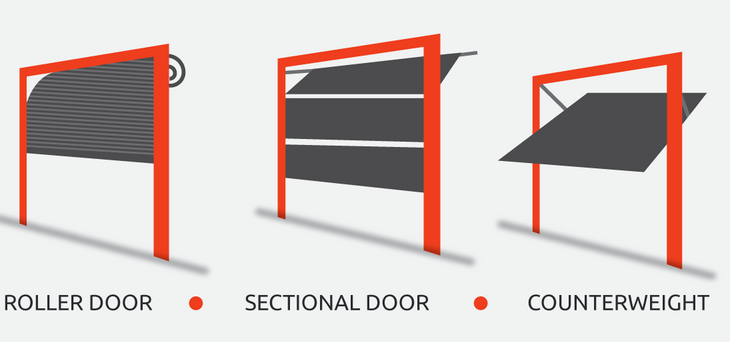
Sectional doors, also known as sectional garage doors, consist of several panels hinged together that roll along a system of tracks guided by rollers.

The functionality of these doors is relatively straightforward: when the door is opened, it lifts and slides backward into the overhead space within the garage. This makes them particularly suitable for garages where space is at a premium, as the door does not swing outwards, but rather moves upwards, parallel to the ceiling. These doors have become increasingly popular due to their space-saving design, security features, and aesthetic appeal. A standard-sized sectional door usually measures 9 feet wide and 7 feet high, making it suitable for most vehicles.

Advantages of Sectional Doors Over Traditional Doors

Sectional doors offer several advantages over traditional swing-out carriage-house style garage doors or sliding doors. Here are a few key benefits:

  1. Space-Saving: Sectional doors open vertically, meaning you can park your car right up to the door without worrying about it hitting the door when it opens. This can be a real advantage in a small or crowded driveway or garage.
  2. Insulation: Given their construction, sectional doors offer better insulation compared to traditional doors. This can be crucial in maintaining the temperature inside the garage during extreme weather conditions, thus reducing energy costs. A typical insulated sectional door has an R-value of 12.12, which is quite significant compared to other door types.
  3. Security: Sectional doors are generally more secure as they are harder to break into due to the lack of a substantial gap, which might be present in traditional doors.
  4. Durability: Sectional doors, particularly those made from steel, are highly durable and can last for over 20 years with proper maintenance.


Different Types of Sectional Doors Available

There are various types of sectional doors available on the market, differentiated by the materials used, their design, and the mechanism of operation. Some popular types include:

  1. Steel Sectional Doors: Steel is the most common material used for sectional doors because of its durability and low maintenance requirements. The price of a standard steel sectional door starts from around $750.
  2. Wood Sectional Doors: Wooden doors offer a classic look and can be customized to suit various architectural styles. However, they require more maintenance and have a shorter lifespan, typically around 10-15 years. These doors can cost anywhere from $1200 to $4000, depending on the type of wood and design.
  3. Aluminum Sectional Doors: These are lightweight and resistant to rust, making them suitable for coastal areas. However, they are less durable compared to steel doors. The cost of aluminum doors starts from around $1000.
  4. Vinyl Sectional Doors: Vinyl doors are resistant to dents and are generally less affected by harsh weather conditions. They have a similar lifespan to steel doors, i.e., around 20 years. Their price starts from around $900.

Cost Breakdown of Sectional Doors

Material Costs: Exploring Different Door Material Options and Their Price Range

The material of a sectional door significantly contributes to its overall cost.

Material Cost Range (USD)
Steel $750 – $3500
Wood $1200 – $4000
Aluminum $1000 – $3000
Vinyl $900 – $2500

As you can see, wood is typically the most expensive material due to its aesthetic appeal and customization potential, while steel provides a balance of durability and affordability.

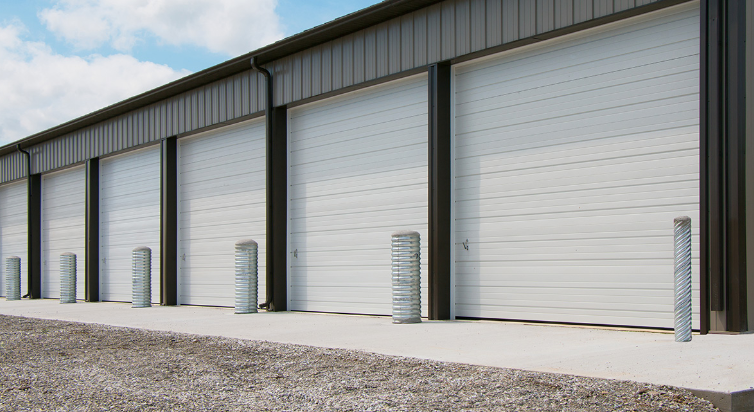
Sectional Steel Doors

Design and Style Impact on Pricing

The design and style of sectional doors can also considerably affect their pricing. Doors with unique design features, decorative hardware, or windows can add to the overall cost. For instance, a sectional door with windows can add an extra $150-$750 to the door’s cost. Here is an approximate cost range for different designs:

Design Feature Additional Cost (USD)
Decorative Hardware $100 – $500
Windows $150 – $750
Custom Paint or Finish $200 – $1000

Additional Features and Customization Options that Affect the Price

Additional features and customization options can significantly alter the price of a sectional door. Here are some common add-ons and their impact on the overall cost:

  1. Insulation: Adding insulation to a sectional door increases energy efficiency but also adds to the cost. Depending on the insulation type and the door’s size, this can range from an additional $100 to $500.
  2. Motorized Opener: A motorized opener can cost anywhere between $150 and $400. It provides the convenience of opening and closing the door remotely, which can be particularly useful during inclement weather.
  3. Installation:On average, it can range from $200 to $500.
  4. Custom Sizes: If a standard-sized door does not fit your garage, custom-sized doors are available. However, they will be more expensive, potentially adding $200 to $800 to the total cost.

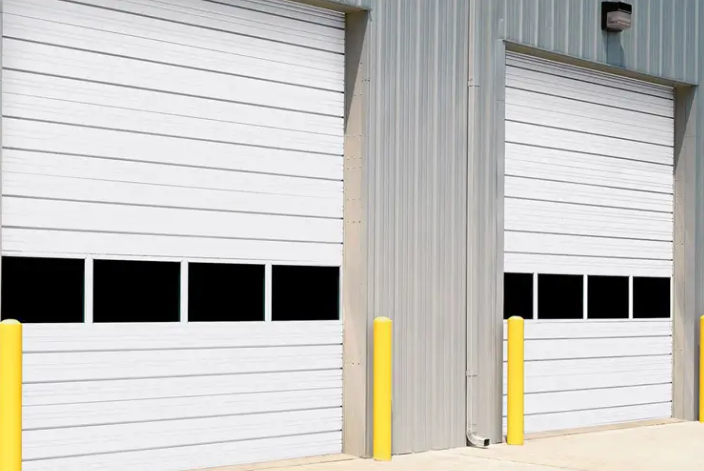
Sectional Steel Doors 432

Average Price Ranges for Sectional Doors

Residential Sectional Door Price Guide

The price of a residential sectional door depends heavily on its size, material, and additional features. Let’s break down the costs for different types of sectional doors used in residential properties.

Basic Single-Car Garage Sectional Doors

Basic single-car garage sectional doors are typically the most affordable. Without additional features, such as windows or insulation, these doors can cost from $400 to $700. The price includes the door itself but does not account for installation costs.

Double-Car Garage Sectional Doors

These doors are larger, usually measuring 16 feet wide by 7 feet high. Due to the increased size and material usage, these doors typically cost between $800 and $1,500 for basic styles.

Premium and Insulated Sectional Doors

Premium and insulated sectional doors offer superior aesthetic appeal and increased energy efficiency, making them a popular choice for homeowners looking to invest in high-quality doors. The insulation can vary, but usually, the doors have an insulation value of R-12 to R-16. These doors typically cost between $1,200 and $3,500, with prices varying based on customization and design elements.

Door Type Average Cost Range (USD)
Basic Single-Car Garage Sectional Doors $400 – $700
Double-Car Garage Sectional Doors $800 – $1,500
Premium and Insulated Sectional Doors $1,200 – $3,500

Commercial Sectional Door Price Guide

Commercial sectional doors are typically larger and more robust than their residential counterparts to meet the demands of commercial and industrial use. The costs will vary significantly depending on the size, materials used, and specific features needed for the commercial application.

Industrial Sectional Doors for Warehouses

Industrial sectional doors for warehouses often need to be larger to accommodate the movement of large equipment or vehicles.  Depending on the size and specific features, industrial sectional doors for warehouses can range from $2,000 to $7,000.

Commercial Sectional Doors for Storefronts

Sectional doors used in storefronts often prioritize aesthetics and might use materials like glass for an appealing look. These doors need to be durable but also need to match the design of the store. The costs of commercial sectional doors for storefronts typically range from $2,500 to $8,000.

Sectional Doors for Loading Docks

Sectional doors for loading docks need to be highly durable to withstand heavy-duty use and variable weather conditions.  The costs for these types of doors generally range from $2,500 to $10,000, depending on their size and the level of insulation required.


Factors Impacting Sectional Door Costs

Size and Dimensions of the Door

The size and dimensions of a sectional door directly impact the overall cost. Larger doors require more materials and, in many cases, more complex installation procedures. A standard single-car garage door is approximately 9 feet wide and 7 feet tall, while a double-car garage door is typically 16 feet wide and 7 feet tall. For every additional square foot of door space, you can expect to pay an extra $20 to $60.

Insulation and Energy Efficiency

Insulation and energy efficiency can also significantly affect the cost of a sectional door. An insulated door provides better temperature control and noise reduction, but it comes at a higher price. On average, adding insulation to a sectional door can increase its cost by $100 to $500. The specific cost depends on the type of insulation and the door’s size. Additionally, insulated doors often have higher energy efficiency, which can lead to long-term savings on energy bills.

Automatic vs. Manual Operation: Cost Considerations

The type of operation – automatic or manual – also impacts the cost of a sectional door. Manual doors are typically cheaper but require physical effort to open and close. On the other hand, automatic doors offer the convenience of remote operation but come at a higher price. Adding a motorized opener to a sectional door can cost between $150 and $400, plus potential additional costs for maintenance and electricity over time.

What is a sectional door?

A sectional door is a type of garage door that consists of separate horizontal panels hinged together. It opens vertically and rests parallel to the ceiling when fully open.

What materials are sectional doors made of?

Sectional doors can be made from various materials, including steel, aluminum, wood, and fiberglass. Each material offers different benefits in terms of durability, appearance, and insulation.

What are the standard sizes of sectional doors?

Common residential sizes for sectional doors include 8 feet wide by 7 feet high, 9 feet wide by 7 feet high, and 16 feet wide by 7 feet high.

How much does a sectional door weigh?

The weight of a sectional door depends on its size and material. On average, a standard residential sectional door can weigh between 130 to 400 pounds (59 to 181 kg).

Are sectional doors customizable?

Yes, sectional doors can often be customized with different panel designs, colors, and window options to match your home's aesthetic.

Can sectional doors be automated?

Yes, sectional doors can be automated using garage door openers for added convenience and ease of use.

Are sectional doors energy-efficient?

Sectional doors with proper insulation can be energy-efficient, helping to regulate indoor temperatures and potentially reduce heating and cooling costs.

How long do sectional doors typically last?

The lifespan of a sectional door can vary based on usage, maintenance, and quality. On average, a well-maintained sectional door can last between 15 to 30 years.
How much should you spend on a sectional door

What is the price of bulk loader?

The price of a bulk loader varies depending on factors such as its type, capacity, and brand reputation. On average, standard belt conveyor loaders can range from $10,000 to $50,000, while high-capacity models may cost between $50,000 and $100,000. Screw conveyor loaders typically fall in the $5,000 to $30,000 price range, and pneumatic conveyors can range from $20,000 to $100,000.

Wheel Loader Machine ZW 550

Definition of a Bulk Loader

A bulk loader, also commonly known as a bulk material handling system, is a piece of machinery designed to transport and manage large volumes of loose materials efficiently. This can include anything from food grains, such as corn or wheat, to minerals, like coal or iron ore. Bulk loaders offer significant benefits over manual labor or other methods of transportation, as they can handle large quantities of material quickly and with fewer workers. They have the capacity to transport material with a rate typically ranging from 100 tons to 5,000 tons per hour, depending on the specific model and its design specifications.

Importance of Bulk Loaders in Industrial Processes

Bulk loaders are fundamental for many industrial processes. Their ability to handle large volumes of materials efficiently and safely contributes significantly to cost savings and productivity. In many sectors, like mining, agriculture, and construction, where bulk material handling is essential, an investment in a high-quality bulk loader with a lifespan of typically 15-20 years could mean millions in cost savings over the life of the machine. It eliminates the need for manual handling of materials, reducing labor costs, and the risk of worker injuries. Furthermore, it speeds up the process of moving materials, thereby reducing operating times and increasing overall productivity.

Cost-Benefit Analysis

Consider, for example, a bulk loader costing $300,000 with an operational lifespan of 20 years. Over that period, if it replaces manual labor costing $15 per hour and operates for an average of 20 hours per week, the potential labor cost savings alone amount to over $3 million. This does not take into account the added benefits of faster operating times and reduced injury risks, which could add further value.

Overview of Bulk Loader Applications in Different Industries

Bulk loaders find applications in a wide variety of industries, each with their unique needs and requirements.

Mining Industry

In the mining industry, bulk loaders are used to move and load extracted ores and minerals. For instance, an iron ore mine might employ a bulk loader capable of handling 2,000 tons of material per hour, ensuring that the extracted ore is quickly moved to the processing facility, thereby reducing downtime and increasing productivity.

Agriculture Industry

In the agriculture sector, bulk loaders are often used in grain silos to load and unload large quantities of grains. An agricultural bulk loader may handle 500 tons of grain per hour, which not only speeds up the process but also reduces the potential for grain damage, thus preserving quality and value.

Construction Industry

In the construction industry, bulk loaders are used to move and load construction materials like sand, gravel, and cement. Here, speed and efficiency are key, as construction projects often operate on tight schedules. A construction bulk loader might have a capacity of 1,500 tons per hour, ensuring that materials are always available when needed, thus helping keep projects on track and within budget.

Factors Affecting the Price of Bulk Loaders

When buying a bulk loader, there are several key factors to consider that can significantly affect its price. These factors include the type and capacity of the bulk loader, the material and build quality, and the reputation of the brand or manufacturer.


Type and Capacity of the Bulk Loader

The type and capacity of a bulk loader are crucial determinants of its price. A loader designed for handling lightweight materials such as grains will be priced differently than a loader built to handle heavy materials like ores. The same goes for the capacity; a bulk loader with a capacity of 5,000 tons per hour will generally be more expensive than one designed to handle 500 tons per hour.

Type of Bulk Loader Typical Capacity Estimated Cost
Grain Bulk Loader 500 tons/hour $200,000
Ore Bulk Loader 2,000 tons/hour $350,000
Construction Bulk Loader 1,500 tons/hour $300,000

Material and Build Quality

The quality of materials used and the craftsmanship involved in building a bulk loader also greatly influence its price. High-grade steel loaders that are built to last under tough conditions are going to command a higher price compared to those made with lower quality materials. Additionally, loaders that offer features such as enhanced automation, safety measures, and energy efficiency will also have a higher price tag.

Brand Reputation and Manufacturer

Lastly, the reputation of the brand and manufacturer plays a significant role in the pricing of bulk loaders. Manufacturers with a long history of producing reliable, high-quality machinery, like Caterpillar or Komatsu, often price their products higher due to their established brand value. However, this often comes with additional benefits such as better after-sales service, availability of spare parts, and improved resale value.

Types of Bulk Loaders and Their Price Ranges

There are several types of bulk loaders available on the market, and each has its unique features, capacity, and price range. One such type is the belt conveyor bulk loader, which can be further divided into standard, high-capacity, and specialized loaders.

Standard Belt Conveyor Loaders

Standard belt conveyor loaders are the most common type used in many industries due to their versatility. These loaders use a continuous belt to move materials from one point to another. They have a typical capacity range of 500 to 1,000 tons per hour, making them suitable for most bulk handling applications. The price for a standard belt conveyor loader typically ranges from $100,000 to $200,000, depending on the brand, build quality, and specific features.

High-Capacity Belt Conveyor Loaders

High-capacity belt conveyor loaders are designed for industries requiring the movement of large amounts of material in a short period. These loaders can handle capacities up to 5,000 tons per hour, making them ideal for use in large-scale mining or construction projects. Due to their higher capacity and more robust build, these loaders are more expensive, with prices usually ranging from $300,000 to $500,000.

Specialized Belt Conveyor Loaders

Specialized belt conveyor loaders are designed for specific industries or materials. For instance, a loader designed to handle corrosive materials in the chemical industry may have special coatings and materials to resist corrosion. These loaders are typically priced higher due to their specialized design and materials used, with prices often exceeding $500,000. The cost, however, can vary greatly depending on the specific features and customizations required.

Price Comparison of Bulk Loaders from Different Manufacturers

Different manufacturers offer a wide variety of bulk loaders with varying features, capabilities, and prices. A comprehensive comparison can provide valuable insights into the market and help prospective buyers make an informed decision.

Leading Manufacturers and Their Offerings

Here are three leading manufacturers of bulk loaders:

  1. Caterpillar Inc.: Known for its robust and reliable heavy machinery, Caterpillar offers bulk loaders that cater to various industrial needs. Their offerings range from standard belt conveyor loaders priced at around $200,000 to high-capacity loaders that can go over $500,000.
  2. Komatsu Ltd.: A global player in the industrial machinery space, Komatsu offers a variety of bulk loaders, with prices for standard models starting around $180,000 and high-capacity models reaching up to $450,000.
  3. Hitachi Construction Machinery: Another prominent name in the heavy machinery industry, Hitachi’s bulk loaders are known for their technological innovations and energy efficiency. Their loaders’ prices range from about $190,000 for standard models to over $500,000 for high-capacity and specialized loaders.

Price Range Analysis for Each Type of Bulk Loader

To give a clearer picture of price variations, here’s a comparison table of prices for standard, high-capacity, and specialized loaders from the three manufacturers:

Type of Bulk Loader Caterpillar Komatsu Hitachi
Standard Belt Conveyor Loaders $200,000 $180,000 $190,000
High-Capacity Belt Conveyor Loaders $500,000 $450,000 $500,000
Specialized Belt Conveyor Loaders $550,000 $500,000 $550,000

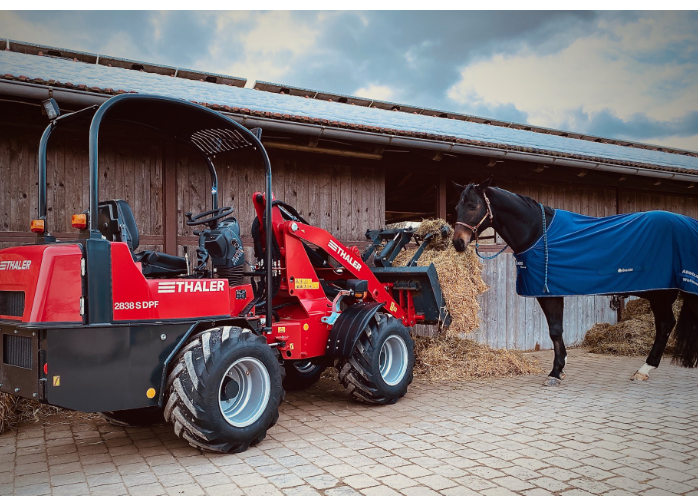
Thaler yard loaders

Key Features and Add-ons Influencing Prices

Key features and add-ons also significantly influence the prices of bulk loaders. These can include enhancements in energy efficiency, automation level, durability, and maintenance service packages offered by manufacturers. For instance, a bulk loader with advanced automation might cost an additional $50,000 compared to a similar model without these features. Energy-efficient models may command a premium of around $30,000, while extended warranty and maintenance packages can add another $20,000 to $40,000 to the overall cost. It’s essential to consider these factors when comparing prices to ensure you’re getting the best value for your investment.

Screw Conveyor Bulk Loaders

Screw conveyor bulk loaders utilize rotating helical screw blades to move materials. They are highly versatile and can handle a variety of bulk materials, from granules to semi-solid materials. There are several types of screw conveyor bulk loaders, including auger-based loaders, tubular screw conveyors, and U-trough screw conveyor loaders.

Auger-Based Bulk Loaders

Auger-based bulk loaders use a rotating auger to move materials. They are commonly used in agricultural applications, such as grain handling. These loaders are usually smaller and less expensive than other types of loaders. Prices typically range from $50,000 to $100,000 depending on the size, capacity, and additional features.

Tubular Screw Conveyors for Bulk Loading

Tubular screw conveyors use a rotating helical screw blade within a tube to move materials. They are often used in industries where it’s essential to keep the material being moved away from external contaminants. Prices for these types of loaders typically start around $100,000 and can go up to $200,000 based on capacity, material of construction, and other factors.

U-Trough Screw Conveyor Loaders

U-trough screw conveyor loaders are commonly used for handling bulk materials in industries such as construction, agriculture, and mining. They have a U-shaped trough that houses the screw conveyor, providing an efficient method of moving material. These loaders generally cost between $150,000 and $300,000 depending on their specifications and features.

Here’s a comparison table of the three types of screw conveyor bulk loaders:

Type of Bulk Loader Price Range
Auger-Based Bulk Loaders $50,000 – $100,000
Tubular Screw Conveyors for Bulk Loading $100,000 – $200,000
U-Trough Screw Conveyor Loaders $150,000 – $300,000

Pneumatic Conveyor Bulk Loaders

Pneumatic conveyor bulk loaders are unique in that they utilize air pressure or vacuum to transport bulk materials. They are particularly useful for transporting delicate, lightweight, or small materials that may be damaged by other types of conveyors. The main types of pneumatic conveyor bulk loaders include dense phase, dilute phase, and vacuum conveyors.

Dense Phase Pneumatic Conveyors

Dense phase pneumatic conveyors use a relatively high pressure and low velocity to move materials. They are suitable for moving heavier, abrasive, or fragile materials over longer distances. The cost for these types of loaders can range between $150,000 to $300,000, depending on the size, capacity, and complexity of the system.

Dilute Phase Pneumatic Conveyors

Dilute phase pneumatic conveyors operate at a high velocity with low pressure. They are suitable for handling light, non-abrasive materials over short distances. These conveyors are typically less expensive than dense phase conveyors, with prices ranging from $100,000 to $200,000.

Vacuum Conveyors for Bulk Loading

Vacuum conveyors use a vacuum to pull materials through the conveyor system. They are ideal for moving light, fine materials and provide excellent control over material flow. Prices for these conveyors typically start around $120,000 and can reach up to $250,000, depending on the system’s size and capacity.

Here’s a comparison table of the three types of pneumatic conveyor bulk loaders:

Type of Bulk Loader Price Range
Dense Phase Pneumatic Conveyors $150,000 – $300,000
Dilute Phase Pneumatic Conveyors $100,000 – $200,000
Vacuum Conveyors for Bulk Loading $120,000 – $250,000

What is a bulk loader?

A bulk loader is a mechanical device used to transfer large quantities of loose materials, such as grains, ores, or powders, efficiently and continuously from one location to another.

What are the different types of bulk loaders?

The main types of bulk loaders include belt conveyor loaders, screw conveyor loaders, and pneumatic conveyors, each serving specific material handling requirements.

How does the price of a bulk loader vary based on capacity?

Generally, the larger the capacity of the bulk loader, the higher the price. High-capacity models capable of handling larger volumes command higher costs.

Are there budget-friendly bulk loader options available?

Yes, some manufacturers offer standard or smaller capacity bulk loaders at more affordable prices, making them suitable for smaller operations or limited budgets.

What factors influence the price of a bulk loader?

The key factors affecting the price include the type of loader, its capacity, material quality, brand reputation, and additional features or customization options.

How do screw conveyor loaders compare to belt conveyor loaders in terms of price?

Generally, screw conveyor loaders are more budget-friendly than belt conveyor loaders, with prices typically falling within the $5,000 to $30,000 range.

Are there used or refurbished bulk loaders available at lower prices?

Yes, some suppliers offer used or refurbished bulk loaders at reduced prices, providing cost-effective options for certain applications.

How important is it to consider long-term cost-effectiveness when purchasing a bulk loader?

It's crucial to evaluate long-term cost-effectiveness, as lower-priced loaders may result in higher maintenance costs or reduced efficiency in the long run, affecting overall profitability.
What is the price of bulk loader
Scroll to Top